


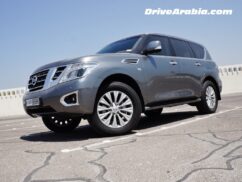
2026 Nissan Patrol 3.8L V6 Road Test
In the Middle East, the Nissan Patrol has always carried a certain weight. It is more than just a full-size SUV. For many buyers in the UAE and across the GCC, it represents family road trips, desert drives, long highway commutes, and decades of loyalty built around comfort and durability.
With the arrival of the all-new Y63 generation, much of the spotlight has understandably gone toward the flagship twin-turbo V6 models. But hidden underneath the headlines is arguably the version that will matter most to traditional Patrol buyers – the naturally-aspirated 3.8-litre V6.
The Nissan Patrol returns to basics, and that’s not a bad thing
This is the Patrol in its purest form: no turbochargers, no complex performance pretensions, and no NISMO theatrics. Just a large body-on-frame SUV engineered to do exactly what Patrol owners expect of it.
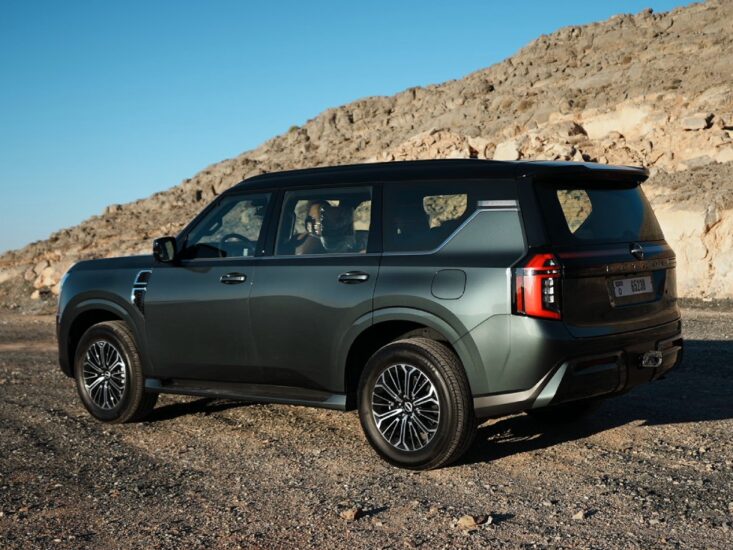
And after spending time behind the wheel, it becomes clear that Nissan knew exactly what it was doing with this version.
Familiar formula, modern execution
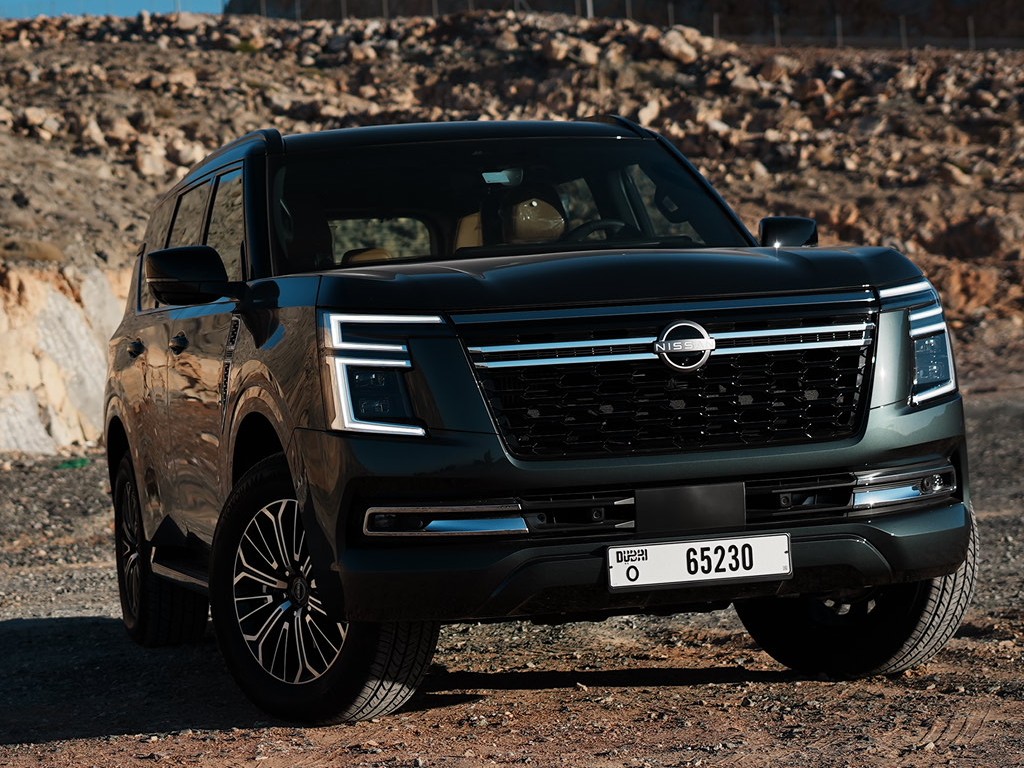
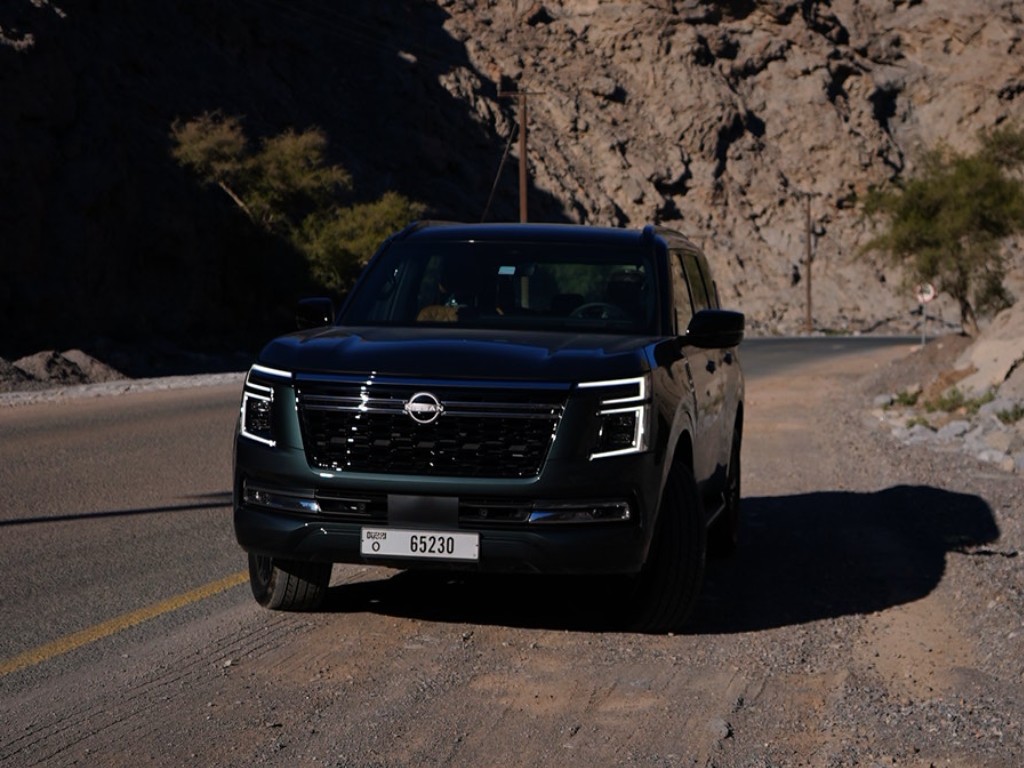
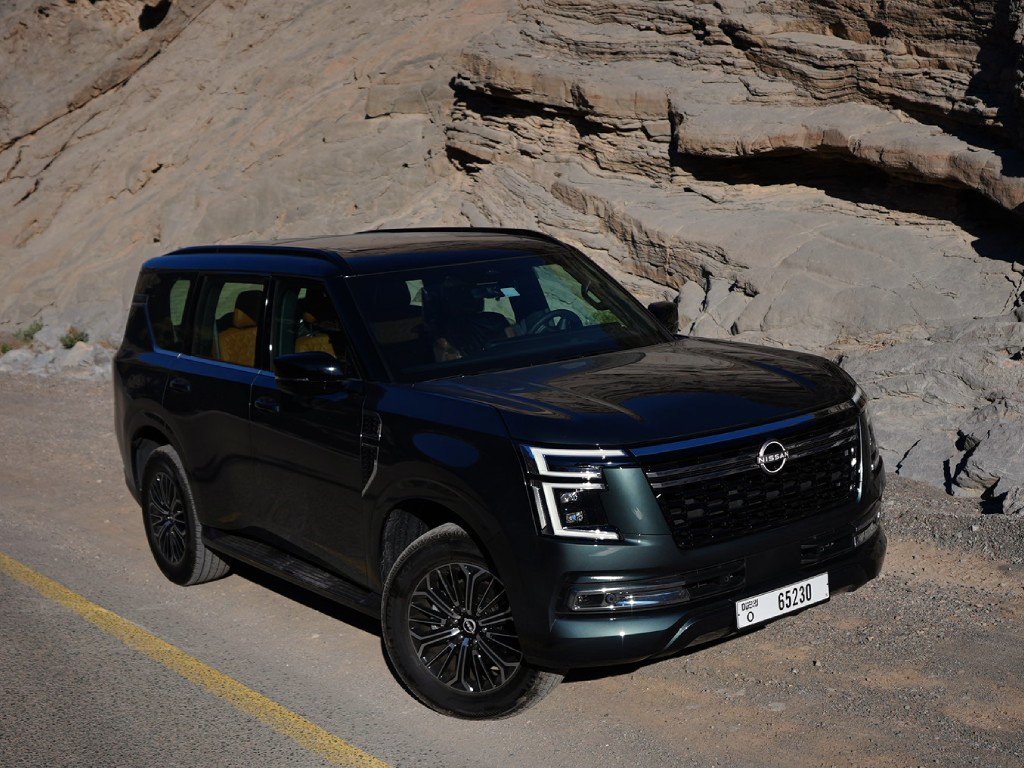
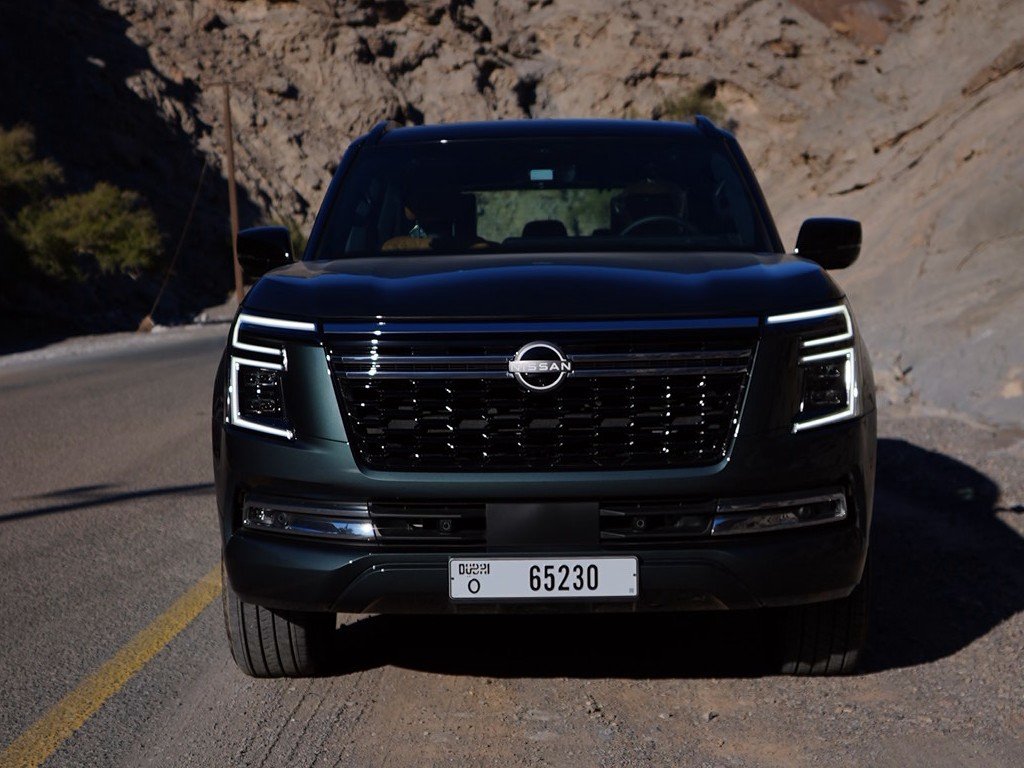
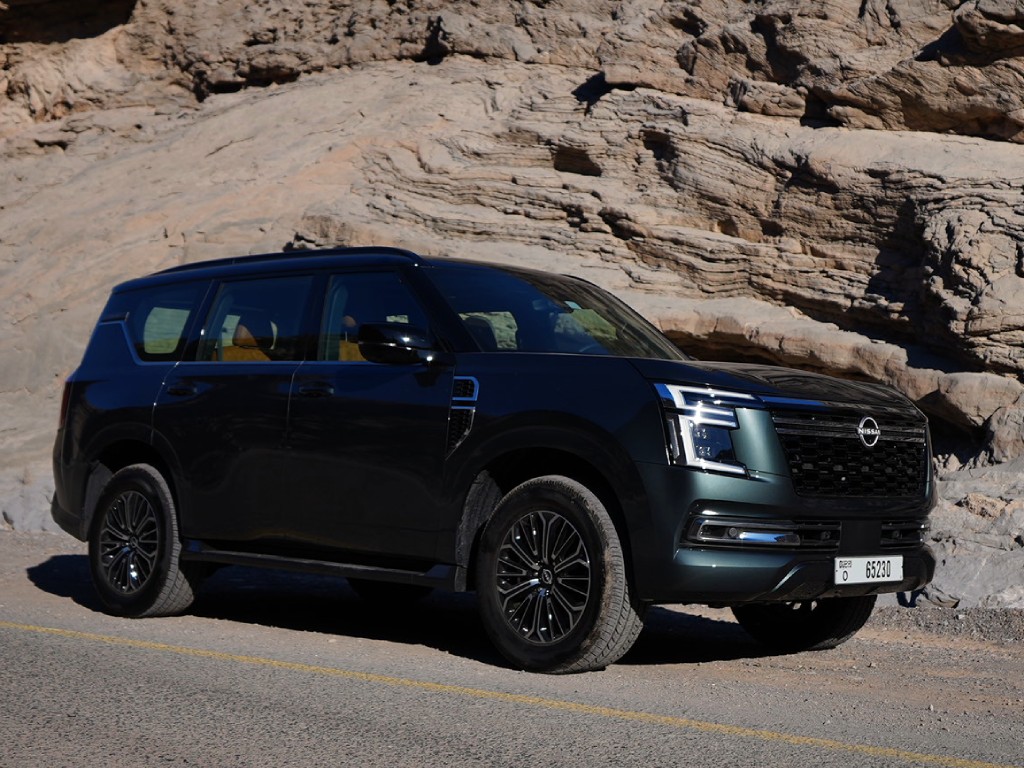
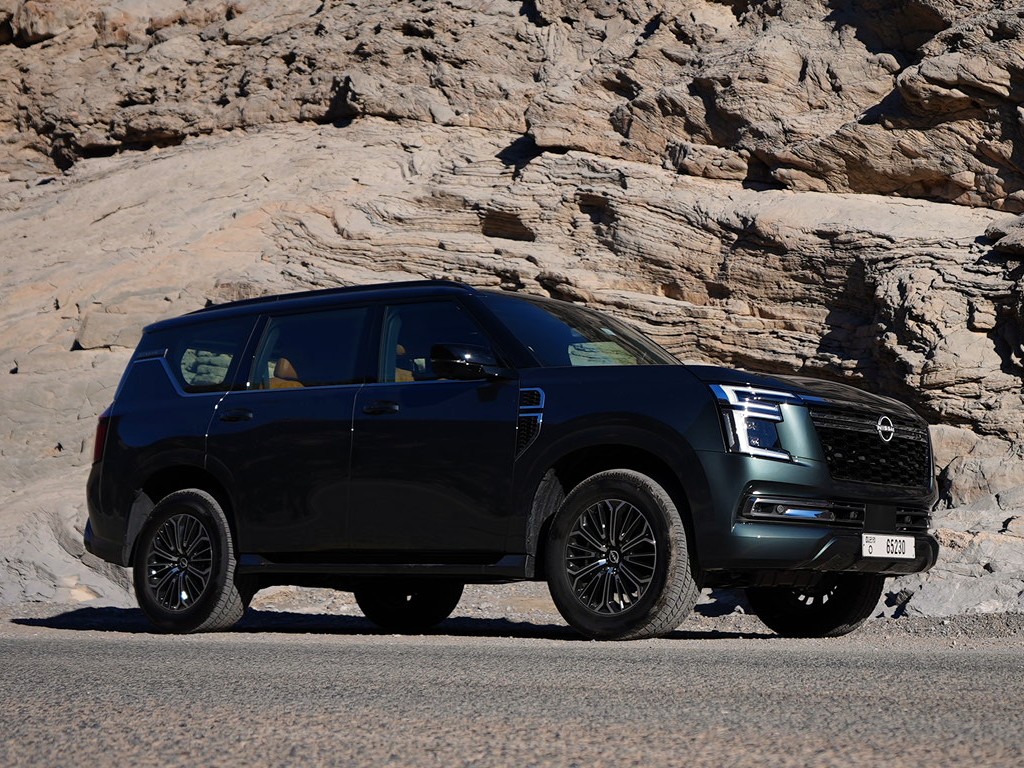
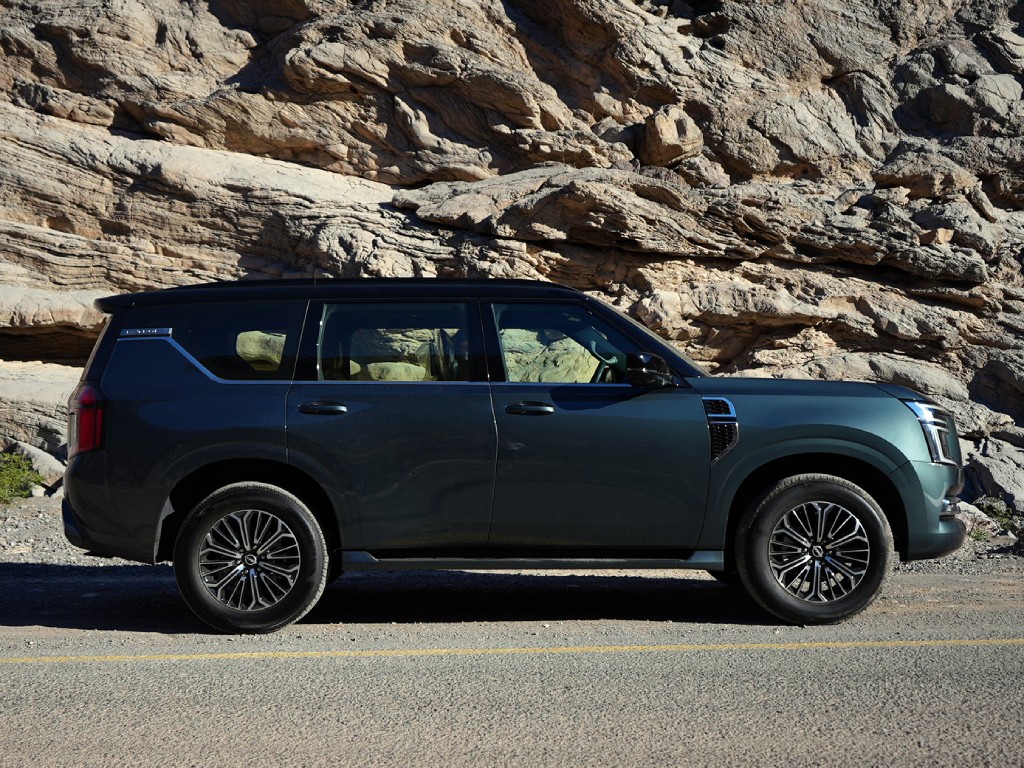
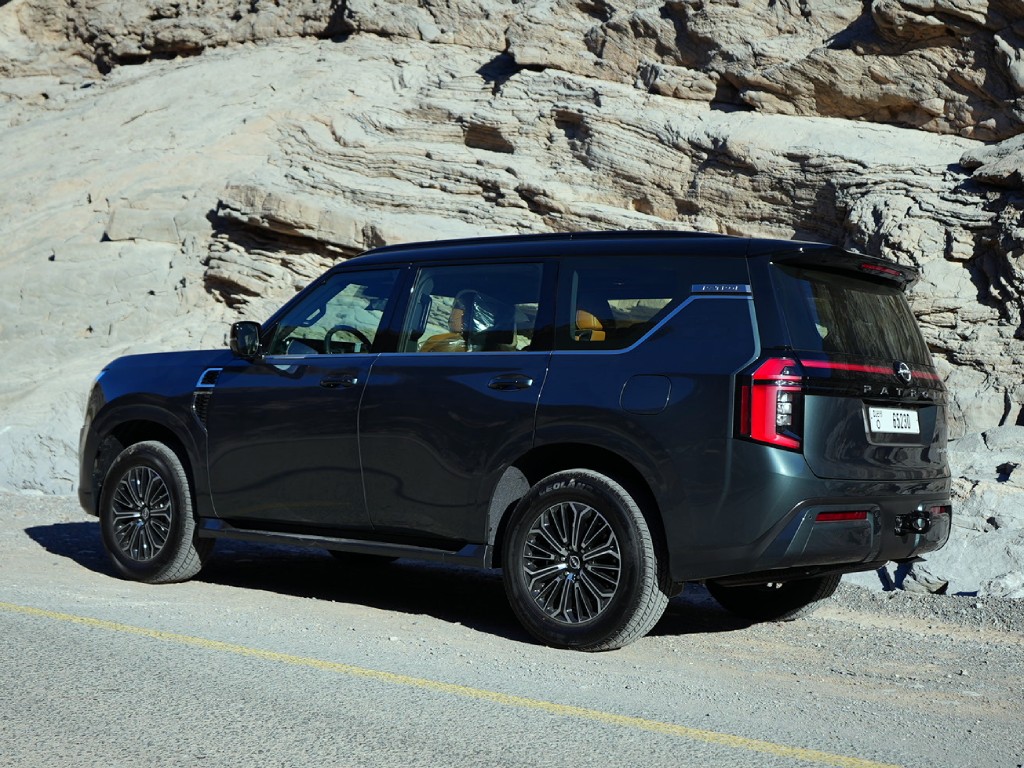
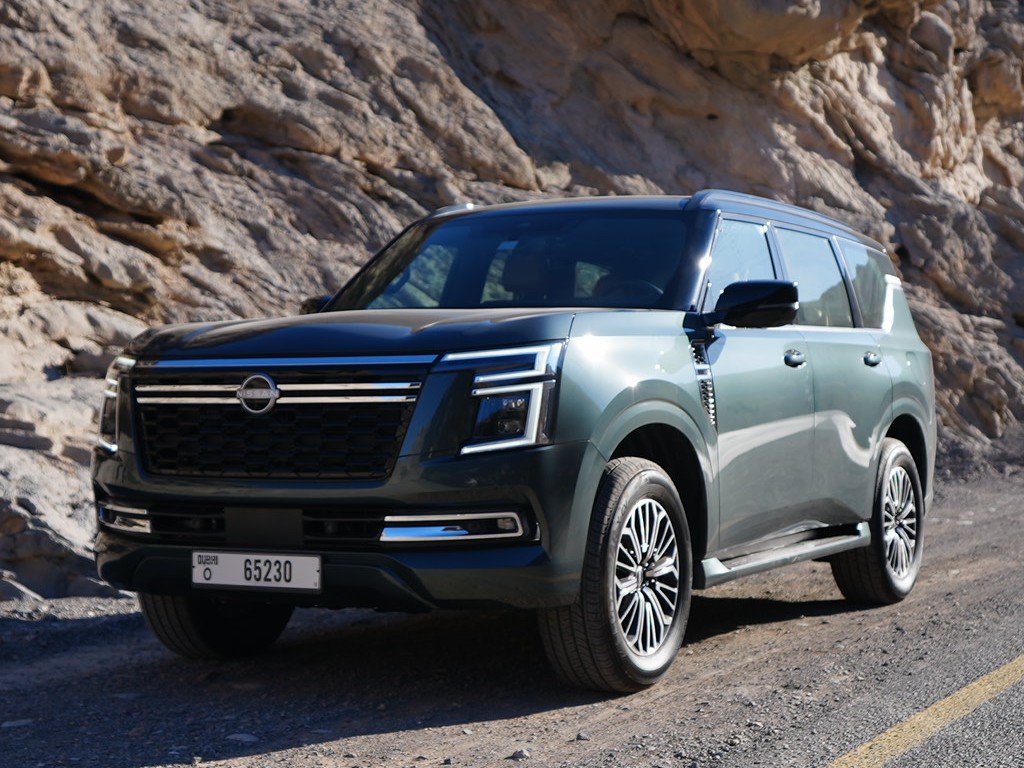
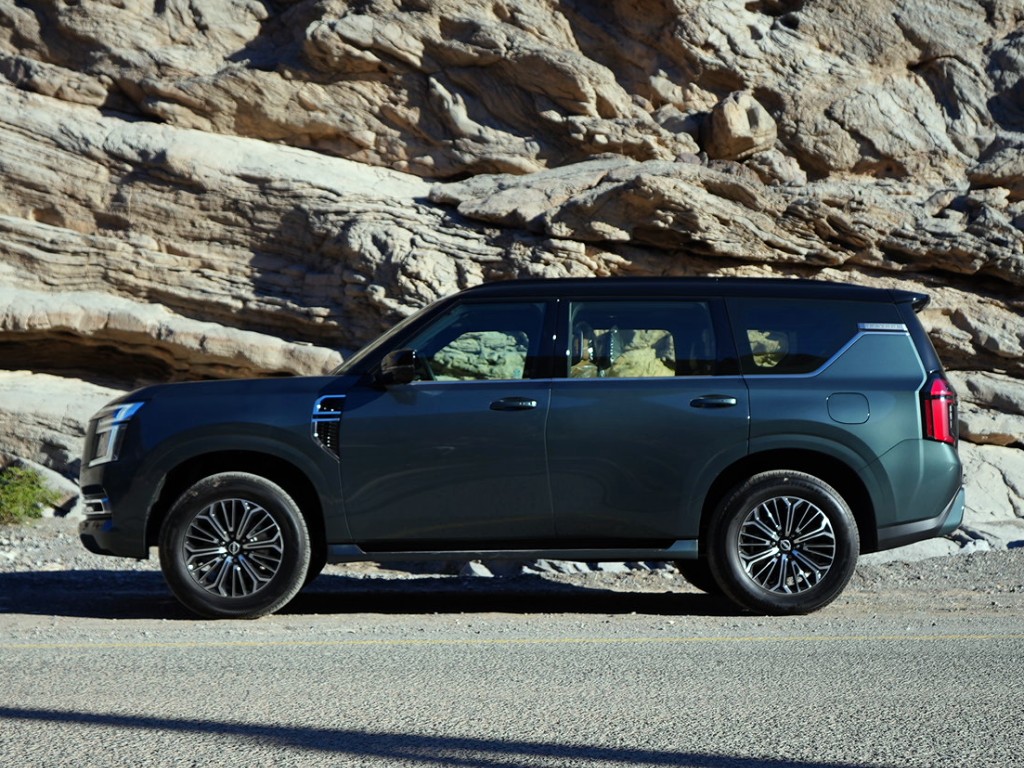
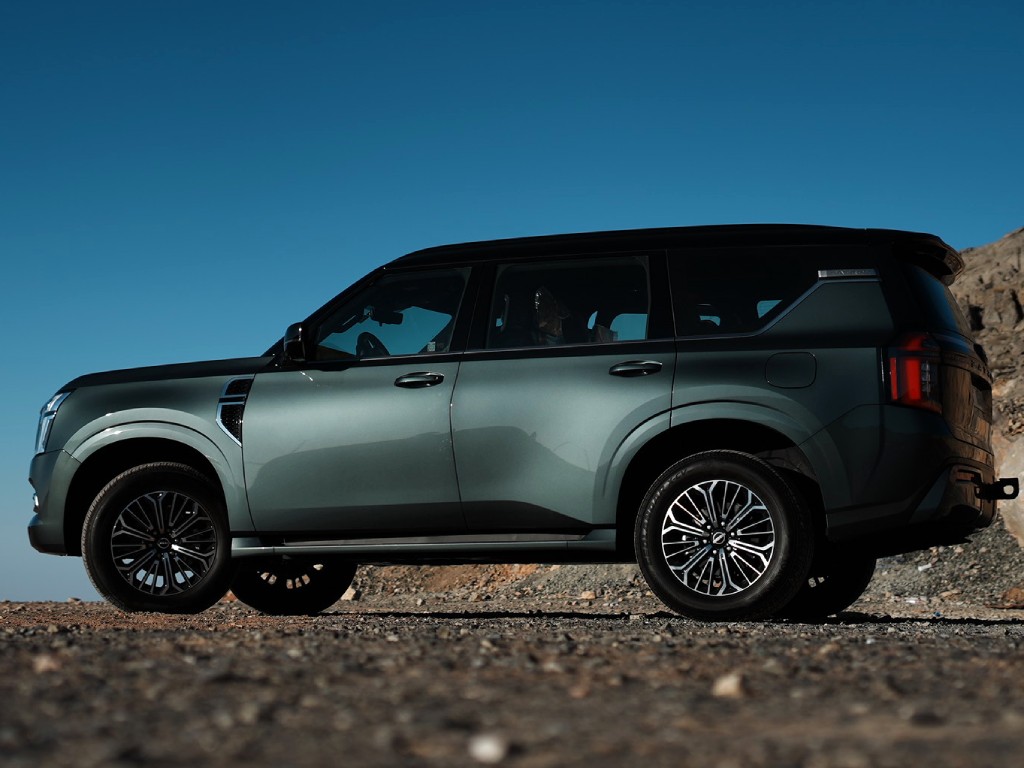
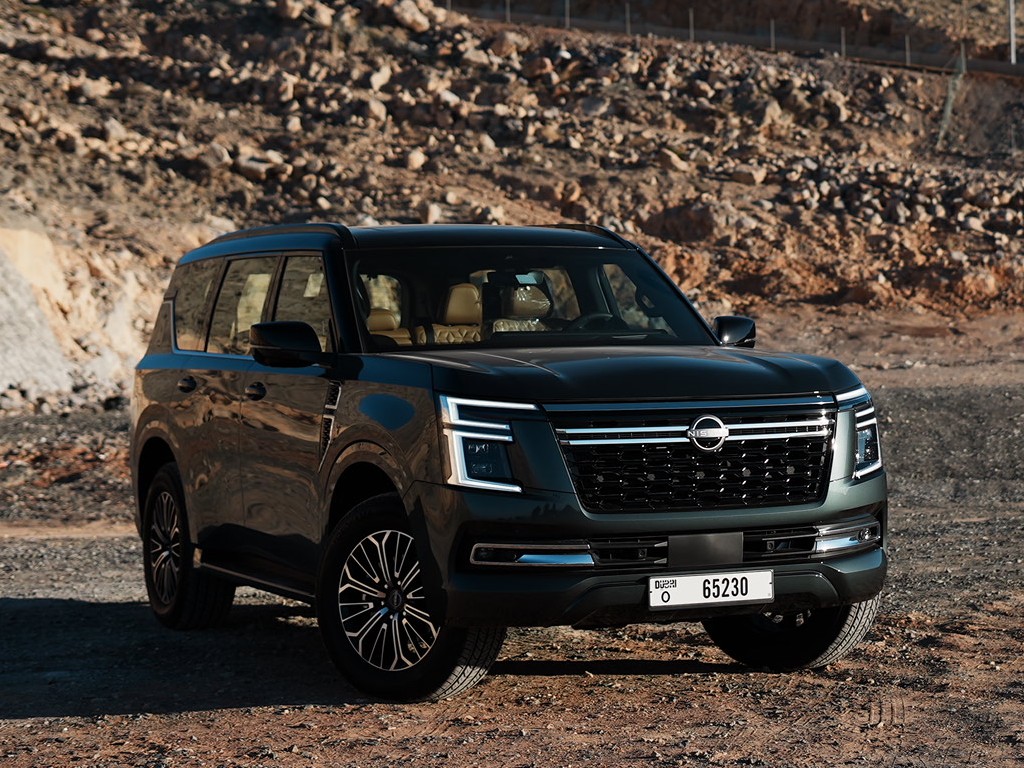
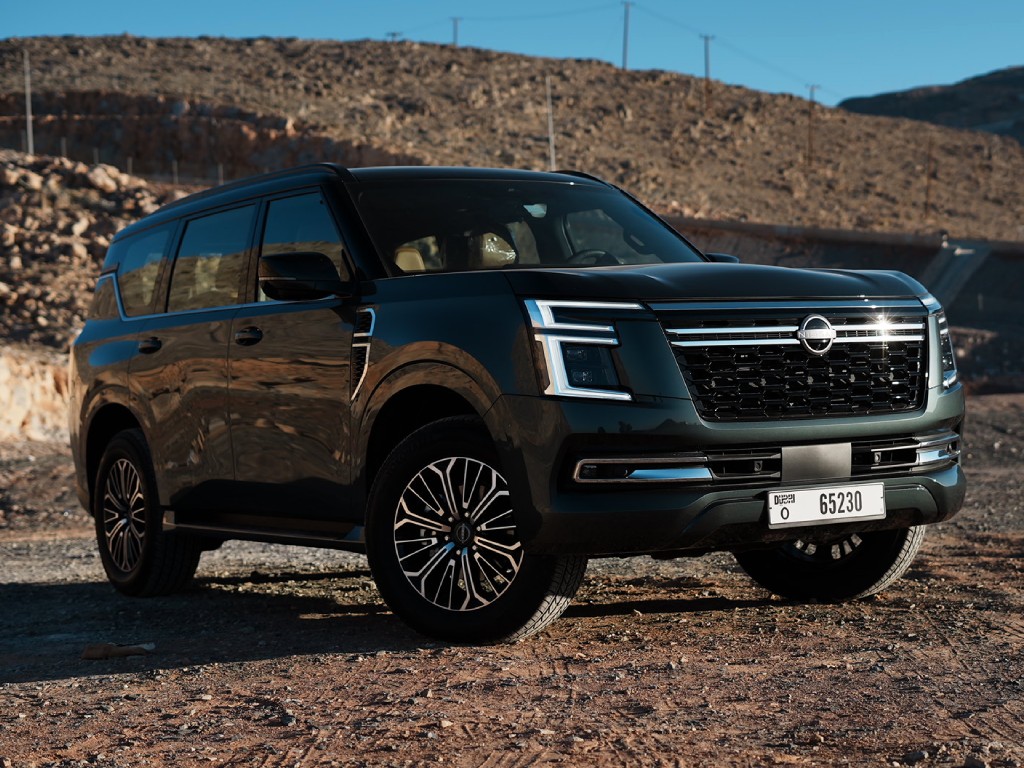
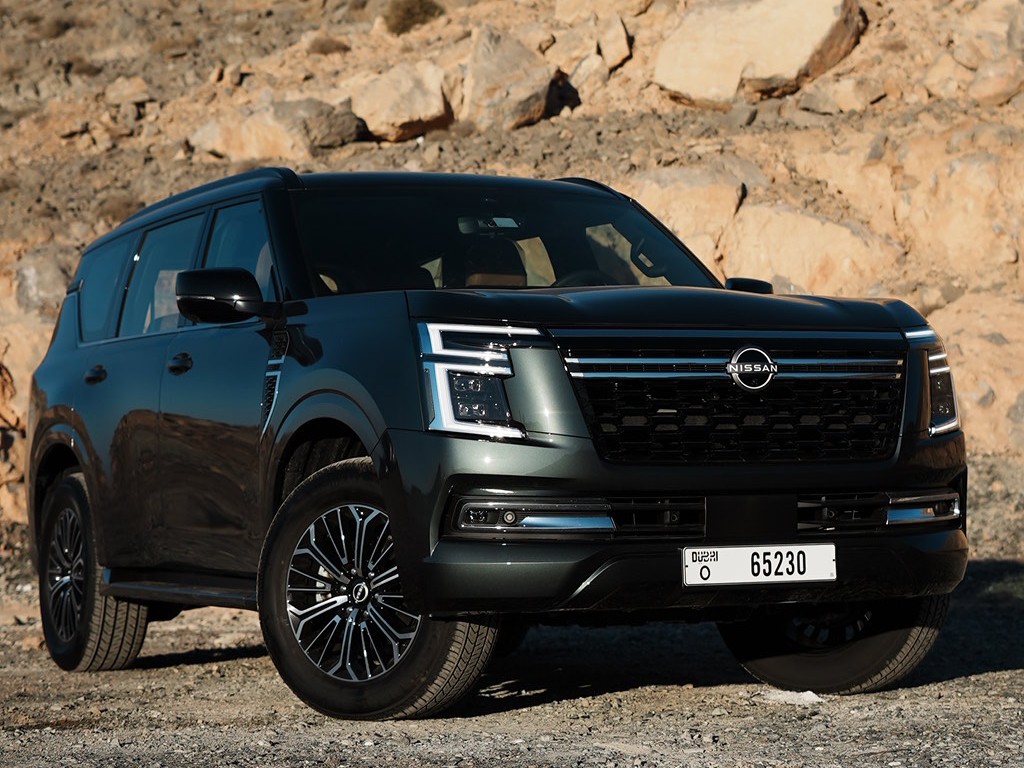
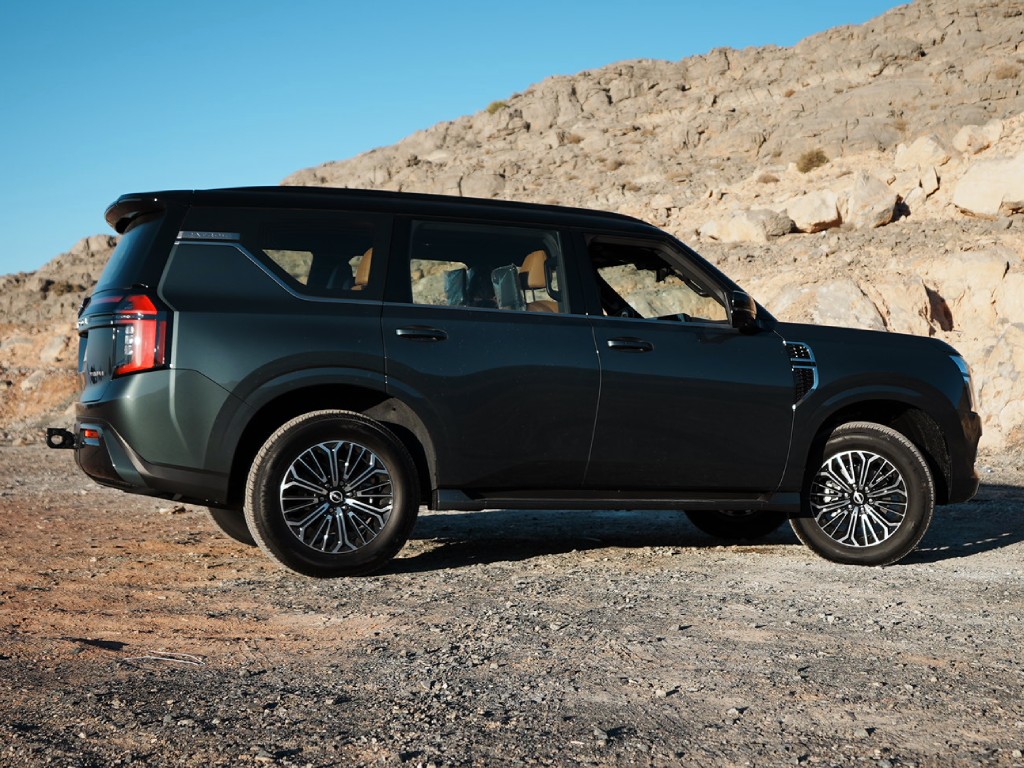
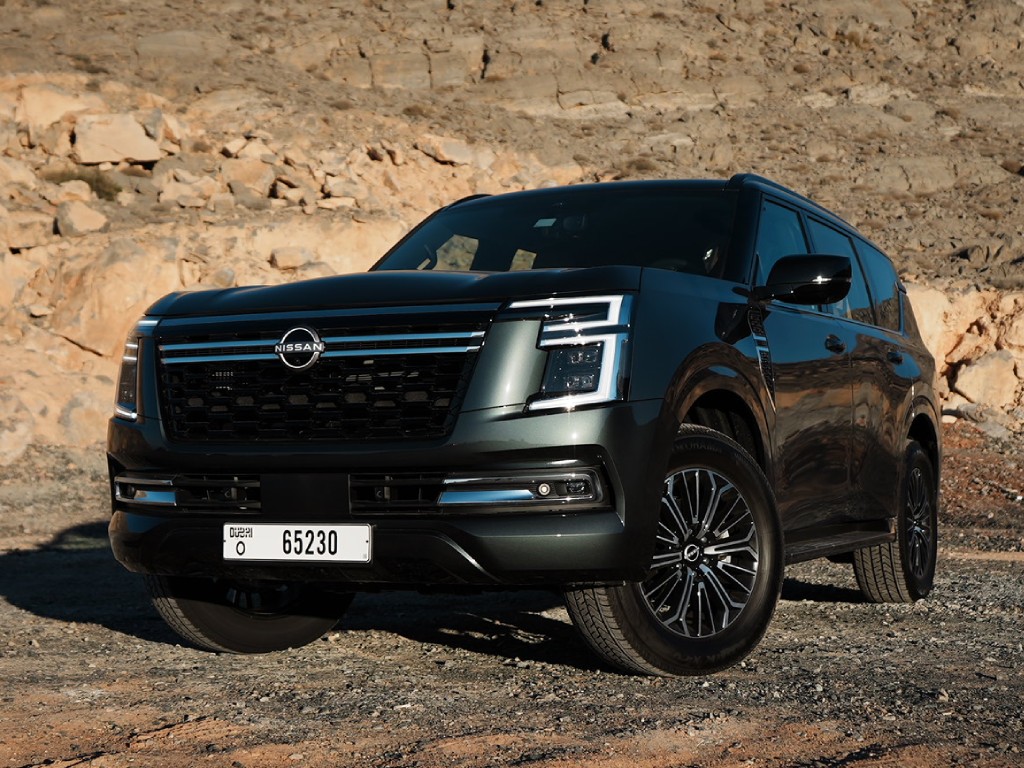
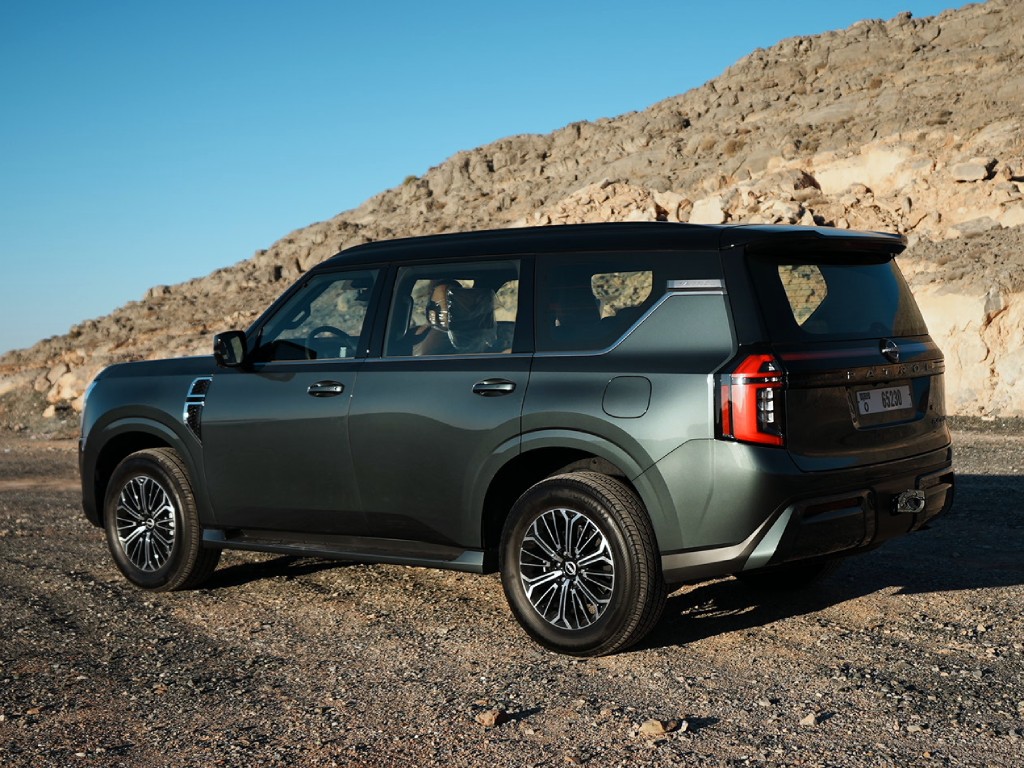
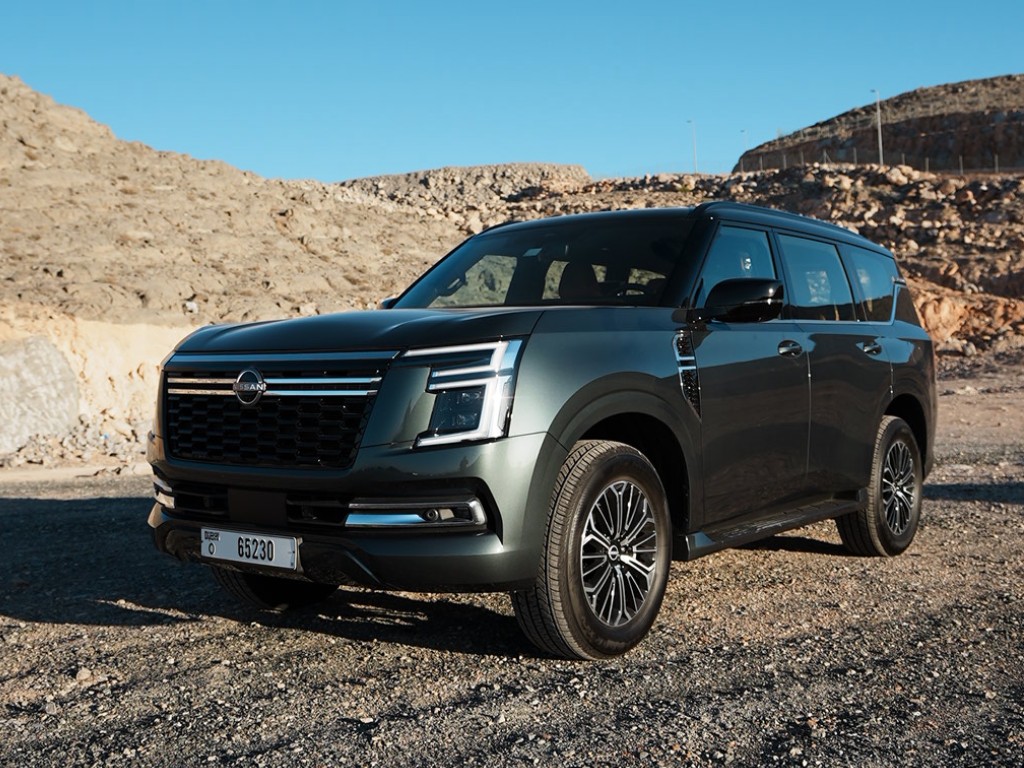
At first glance, the new Patrol still looks unmistakably like a Patrol. The proportions remain massive, upright and imposing, but Nissan has modernised the design significantly.
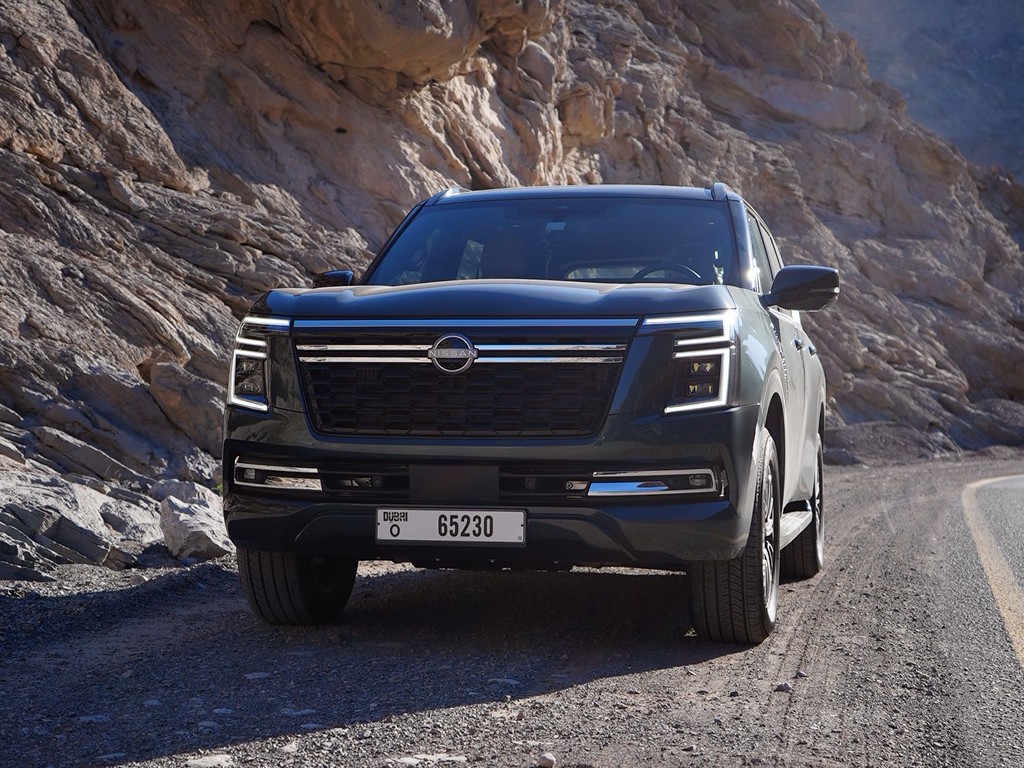
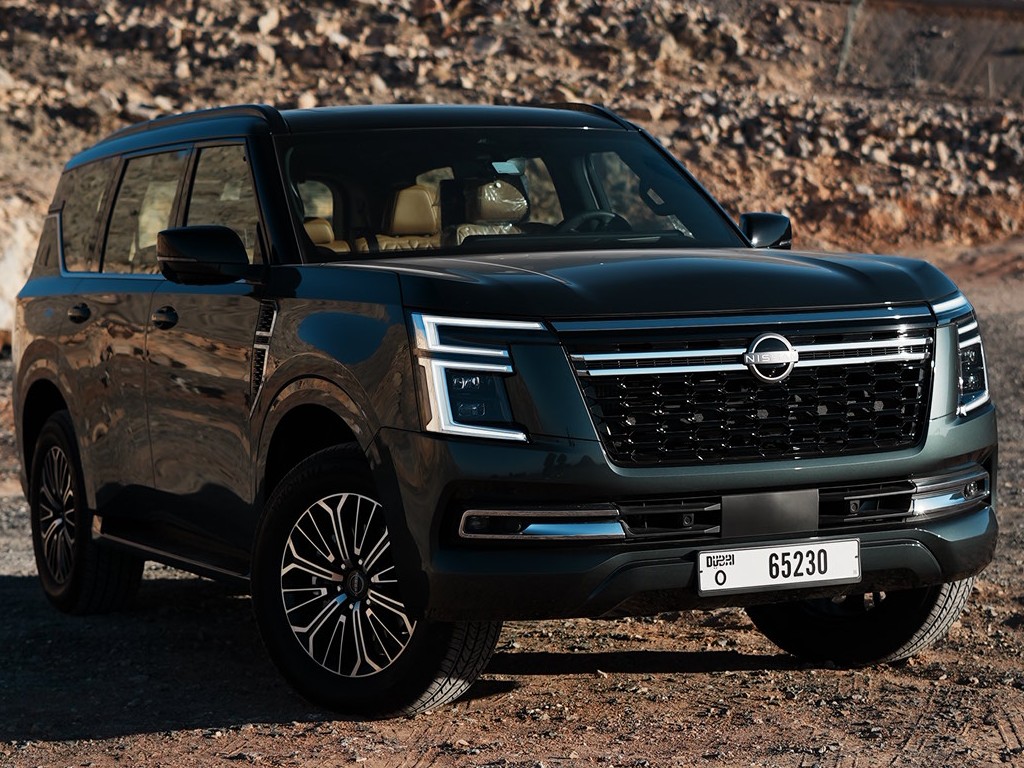
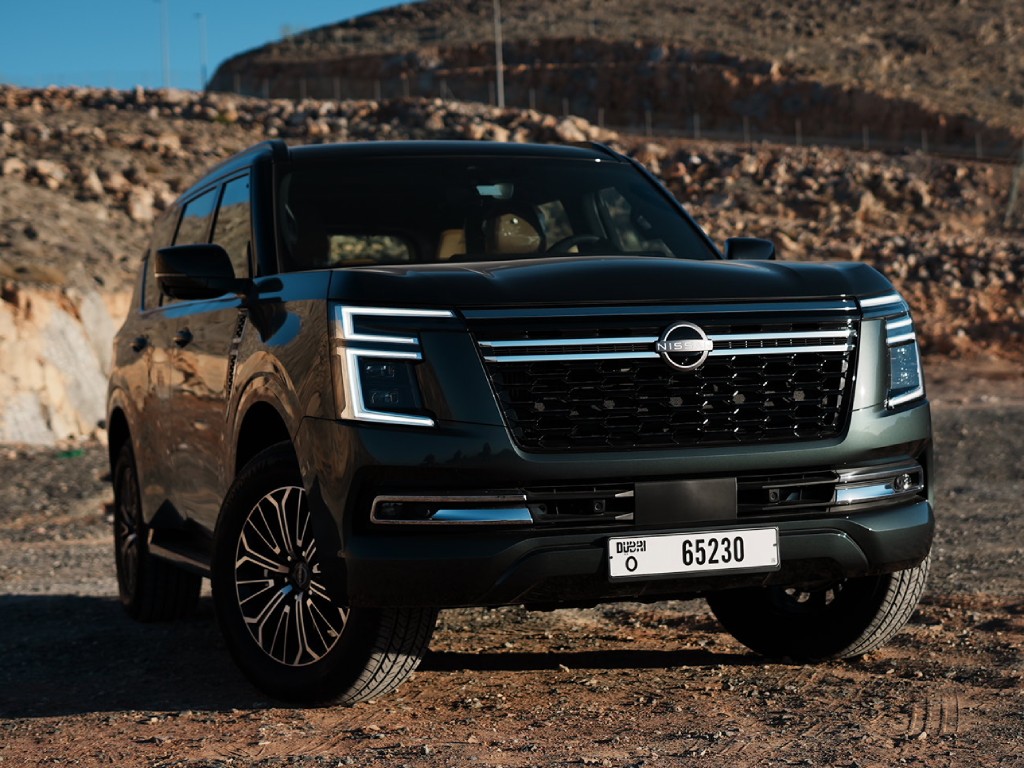
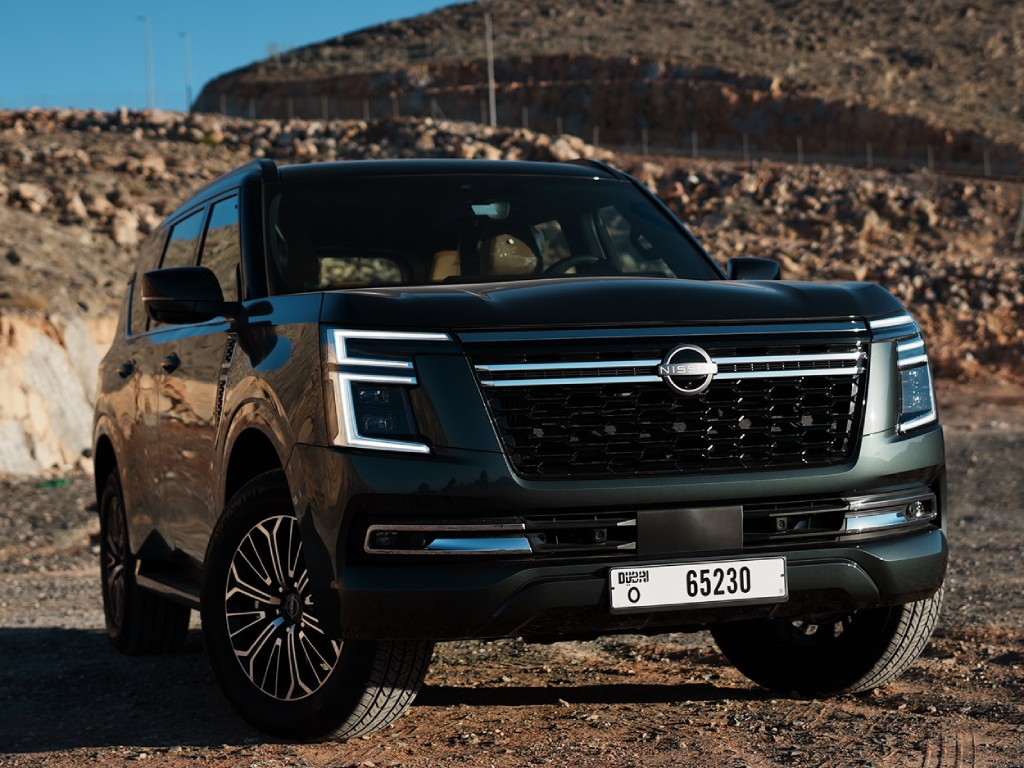
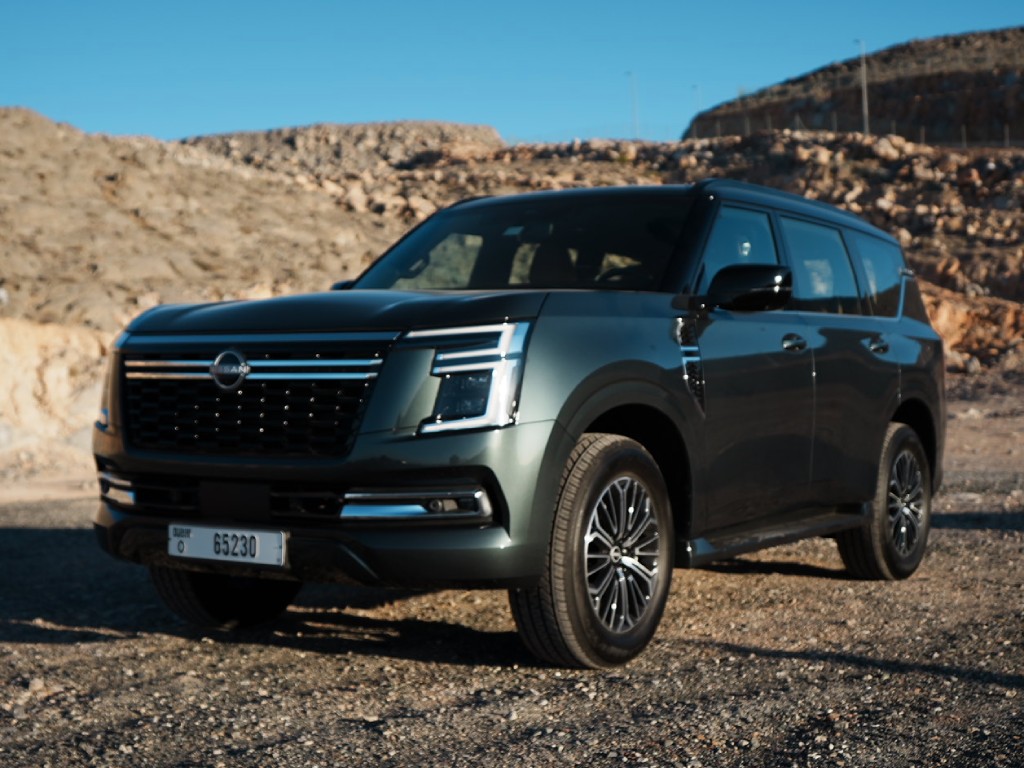
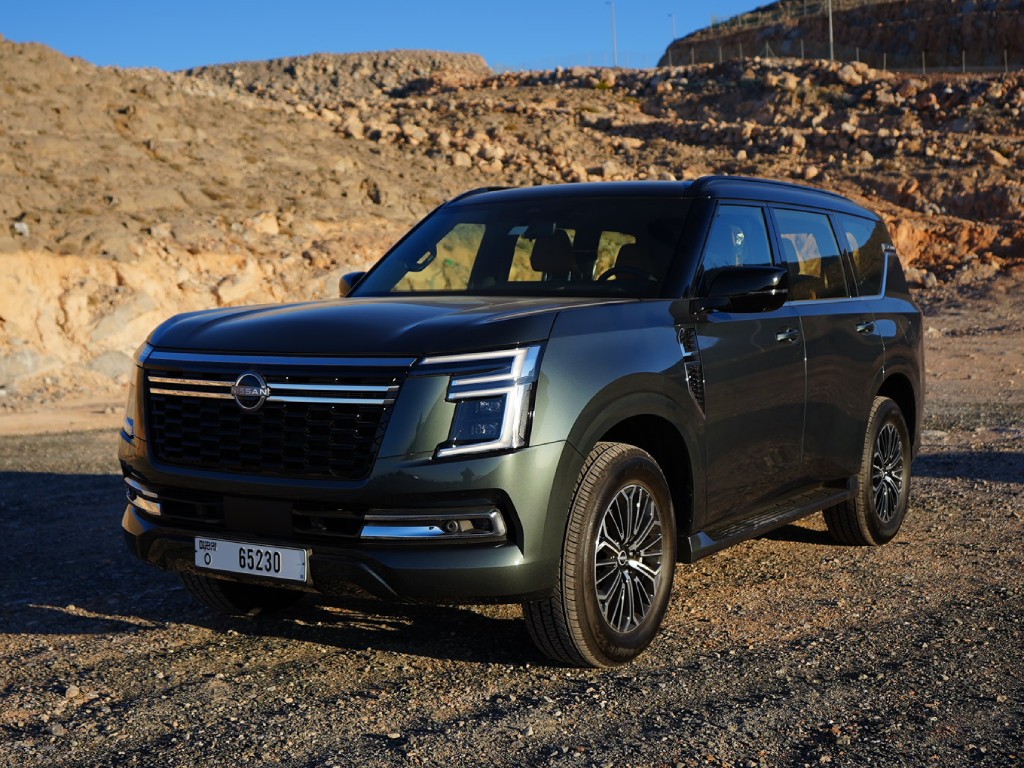
The front end is more squared-off than before, with a wider interpretation of Nissan’s V-motion grille, slimmer LED headlights, and a cleaner overall surfacing treatment. It looks more premium than the Y62, yet avoids becoming overly futuristic.
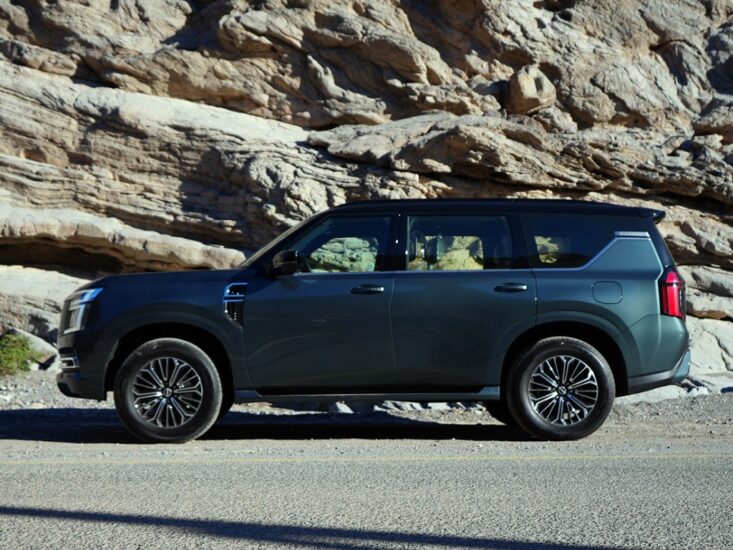
On the road, the Patrol continues to project a commanding presence. The sheer size alone ensures that. But the new generation also feels more refined visually, with tighter panel lines and improved detailing throughout.
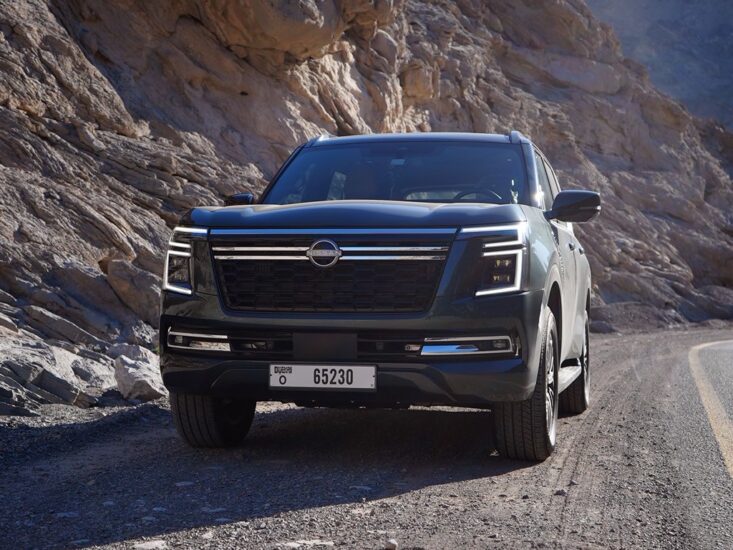
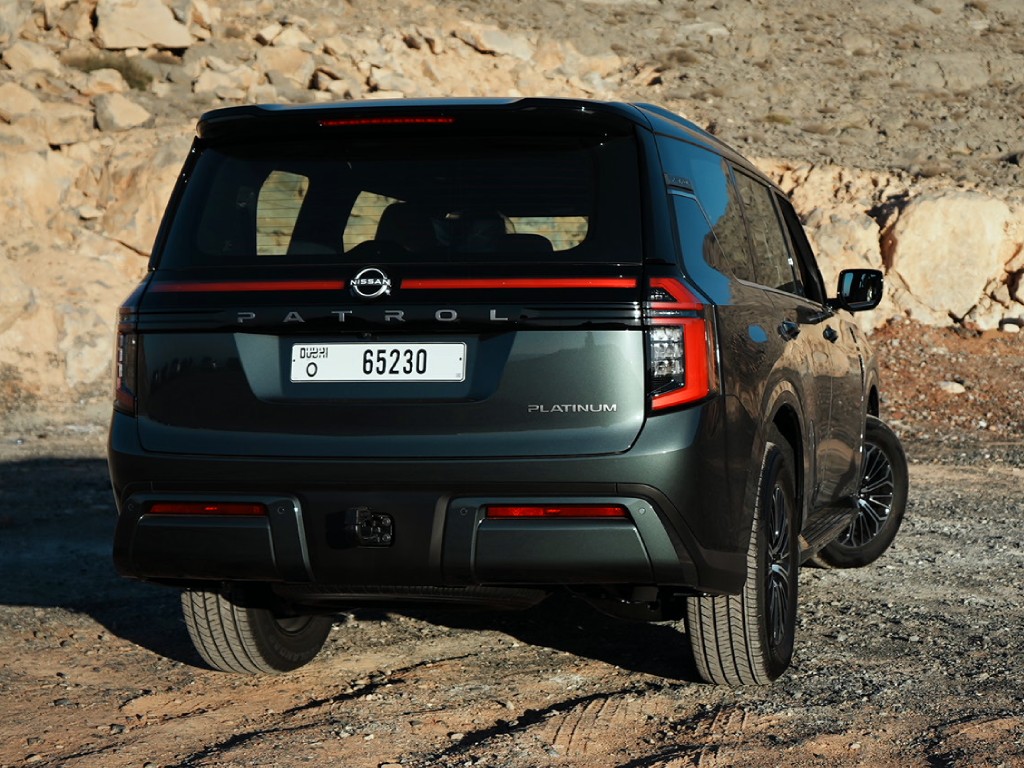
Even in lower trims fitted with the 3.8-litre engine, the Patrol still looks expensive and substantial. That matters in this segment. Our tester was the top Platinum trim. The most distinguishable feature from the turbo version is the wheels’ design.
The 3.8-litre V6: smoother than expected
Under the bonnet sits Nissan’s naturally-aspirated 3.8-litre V6 engine producing around 316 hp and 386 Nm of torque. On paper, those numbers may not sound especially dramatic for a vehicle this large, especially when compared to the twin-turbo 3.5-litre V6 available higher up the range.
But out on the road, the engine suits the Patrol’s character surprisingly well.
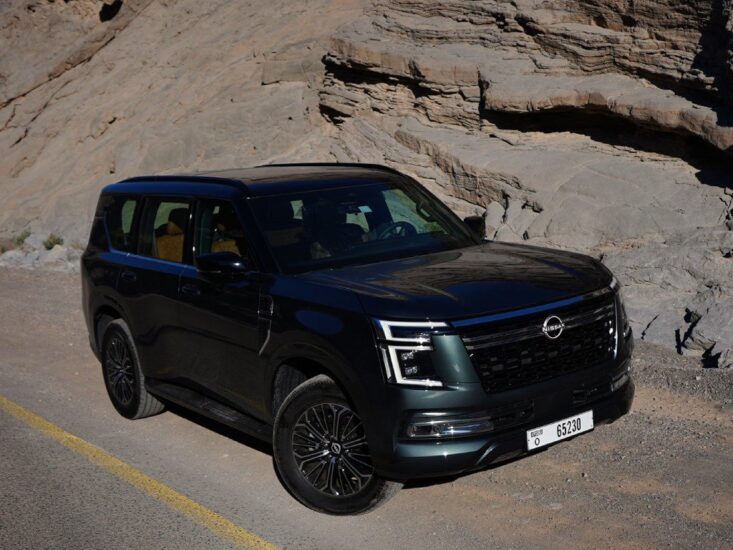
Power delivery is linear and predictable, which is something many traditional SUV buyers still appreciate. There’s no sudden turbo surge or artificial punch. Instead, the Patrol builds speed progressively and smoothly.
Around town, the engine feels relaxed. Throttle calibration is gentle, making the Patrol easy to drive in traffic despite its size. The 9-speed automatic transmission also deserves credit here, shifting cleanly and staying unobtrusive most of the time.
Push harder, and the Patrol still has enough performance for confident highway merging and overtaking. It is not fast in the way the twin-turbo version is fast, but it rarely feels underpowered either.
For GCC buyers who prioritise reliability, simplicity, and long-term ownership confidence, the naturally-aspirated setup may actually be the smarter choice.
Ride comfort remains a Patrol strength
One area where the new Patrol continues to excel is ride comfort.
The Y63 rides with a maturity that few large body-on-frame SUVs can match. Suspension tuning is clearly biased toward comfort, and that works perfectly for Middle Eastern roads.
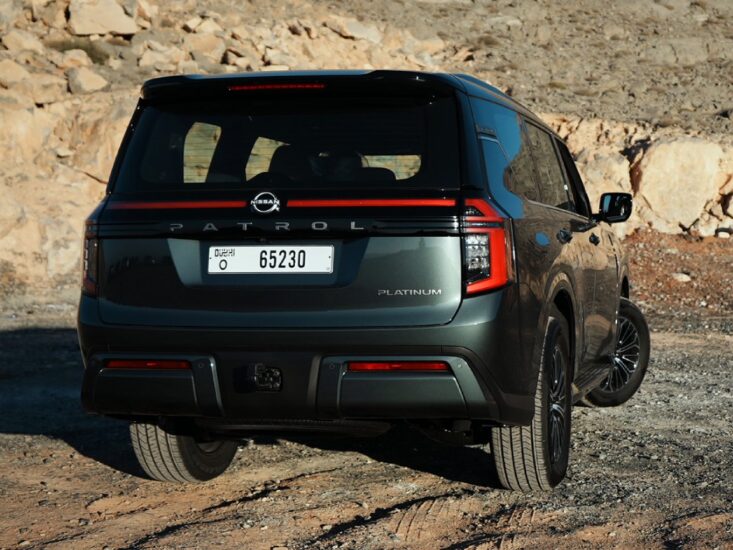
Broken tarmac, expansion joints and rough surfaces are absorbed impressively well. The Patrol feels heavy in a reassuring way, settling into long-distance cruising effortlessly.
Highway refinement has also improved noticeably over the previous generation. Wind noise is lower, cabin insulation feels thicker, and the entire vehicle feels structurally tighter.
At 120 kph, the Patrol becomes an outstanding long-distance cruiser. The seats are comfortable, visibility remains excellent, and the suspension settles into a calm rhythm that makes hours behind the wheel surprisingly easy.
Despite its size, the steering is lighter and more precise than before. It still does not feel sporty (nor should it), but the Patrol feels easier to place on the road than older generations.
Interior moves properly upmarket
Inside is where the Y63 Patrol takes its biggest leap forward.
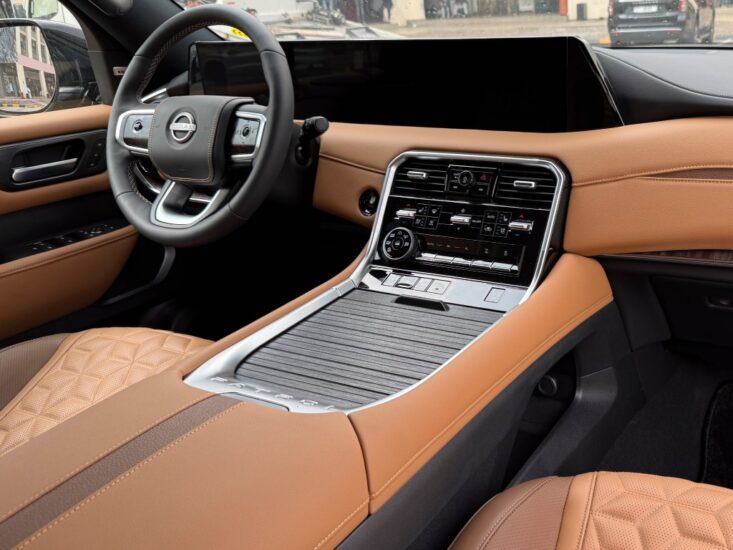
The previous generation was functional and durable, but beginning to show its age. The new model finally delivers the premium experience that buyers in this segment expect.
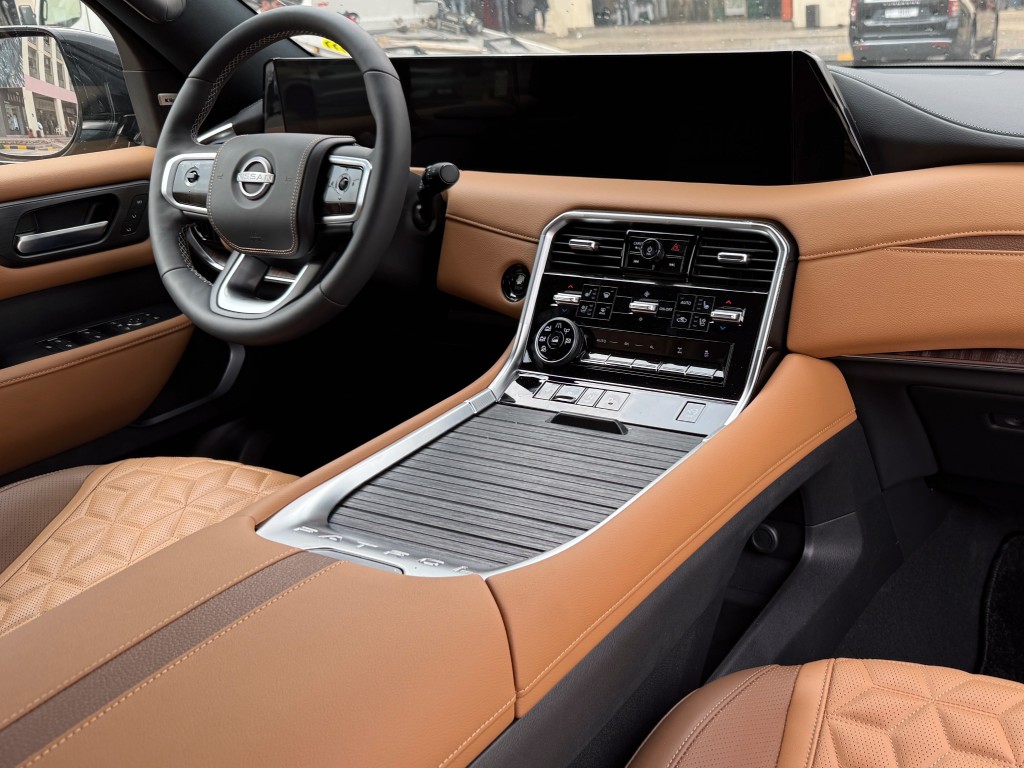
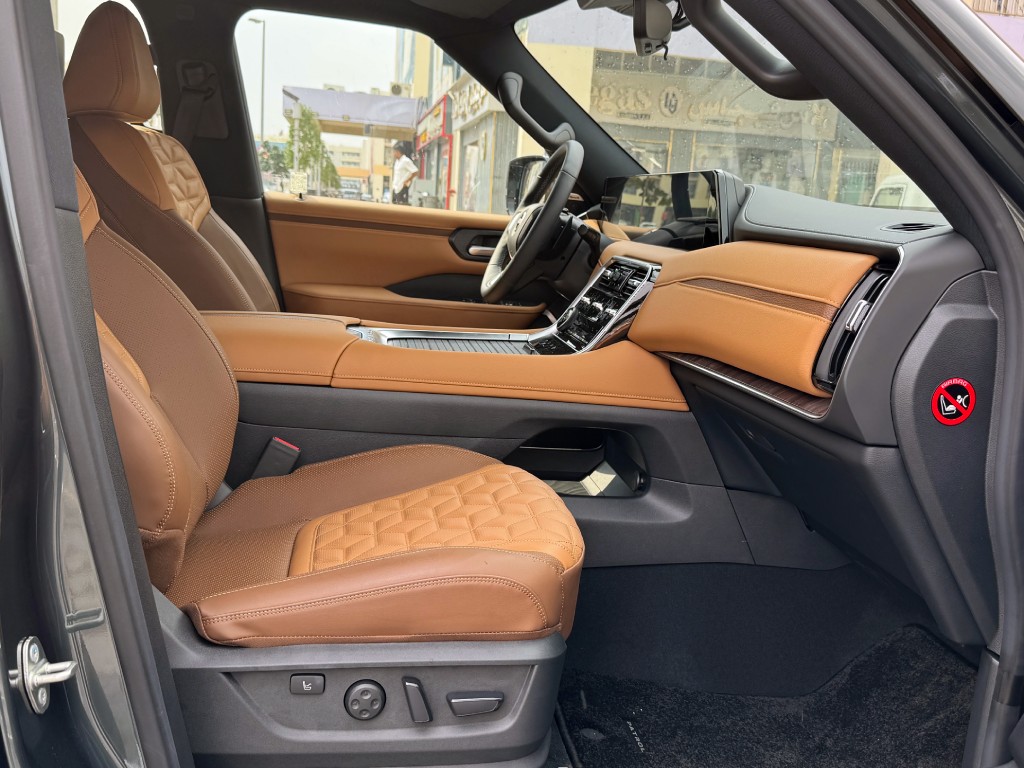
The dashboard design is cleaner and more horizontal, dominated by large digital displays and significantly improved materials. Soft-touch surfaces are everywhere, while the overall fit and finish feels far more upscale than before.
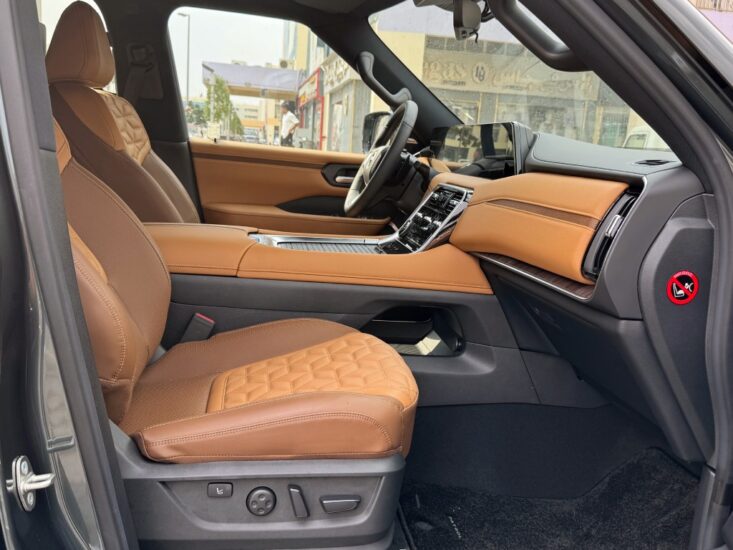
Even the lower 3.8-litre trims avoid feeling stripped out. Nissan has done a good job ensuring the cabin still feels premium regardless of engine choice.
The infotainment system is modern, responsive, and far easier to use than previous Nissan systems. Wireless Apple CarPlay and Android Auto are present, while our Platinum trim gained additional luxury features, including premium audio systems, ventilated seats, and larger screens.
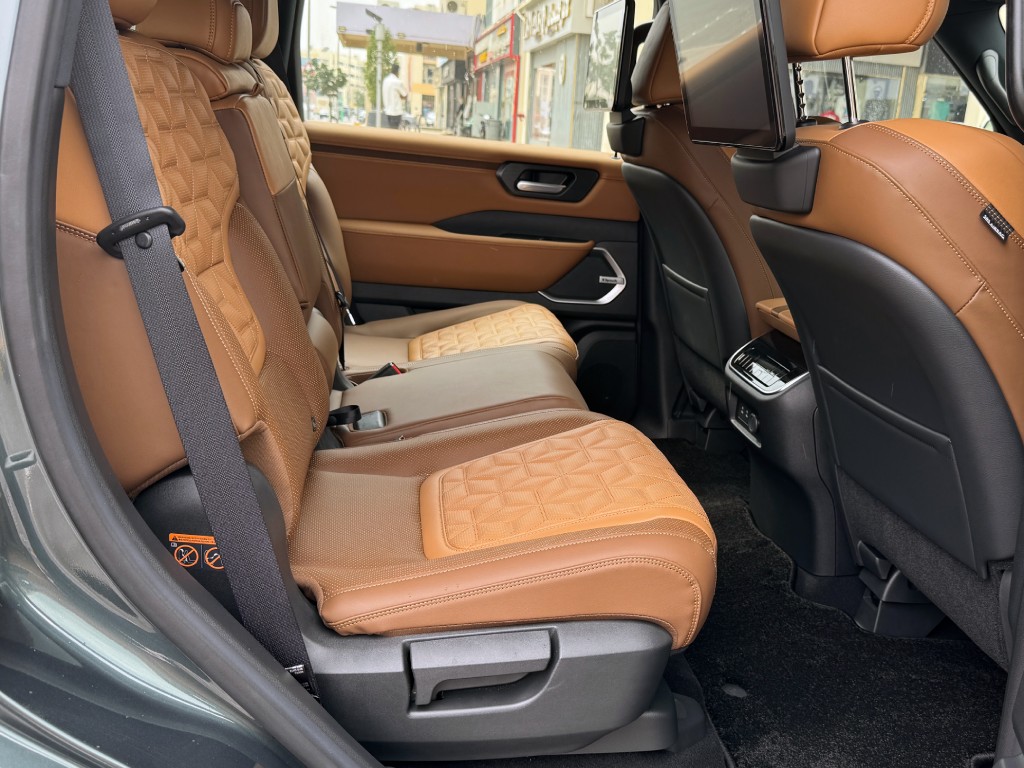
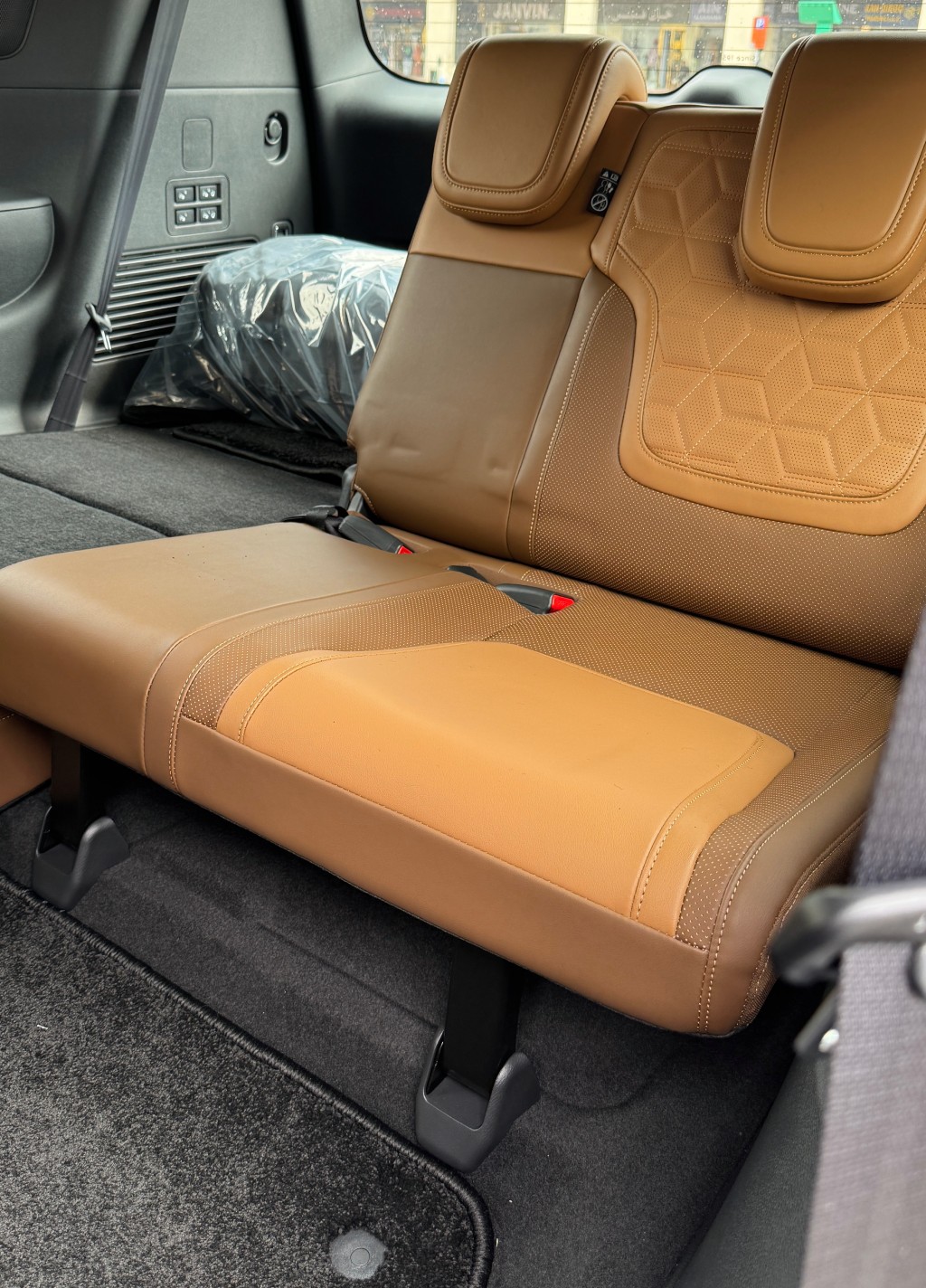
Space, unsurprisingly, remains enormous. The Patrol remains one of the best family SUVs in the segment simply because of how usable it is. Adults fit comfortably across the front two rows, while the third row isn’t too bad either. Also, with the third-row seats folded down, there is immense cargo space.
Off-road capability still matters
Even though many Patrols today spend most of their lives on highways and in urban traffic, Nissan has wisely retained the SUV’s core off-road DNA.
The body-on-frame platform remains, ground clearance is substantial, and the Patrol still feels engineered for harsh regional conditions.
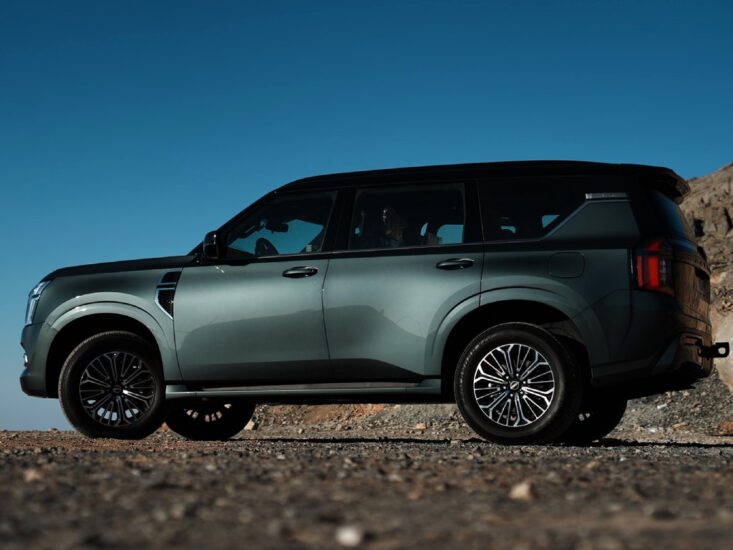
The naturally-aspirated V6 actually works well off-road thanks to its predictable throttle response. In softer sand and technical terrain, smooth power delivery is often preferable to sudden bursts of turbocharged torque.
It remains to be seen if this version of the Patrol will become a hardcore dune-bashing icon in the way older Patrols did, but it certainly has the ingredients.
Fuel economy: acceptable for the segment
No one buys a full-size Patrol expecting hybrid-level efficiency, but the 3.8-litre engine performs reasonably well given the size and weight involved.
In mixed driving conditions, fuel economy sits roughly within expected territory for a large naturally-aspirated SUV. The 9-speed gearbox helps keep engine speeds lower on highways, improving long-distance efficiency compared to older Patrol generations.
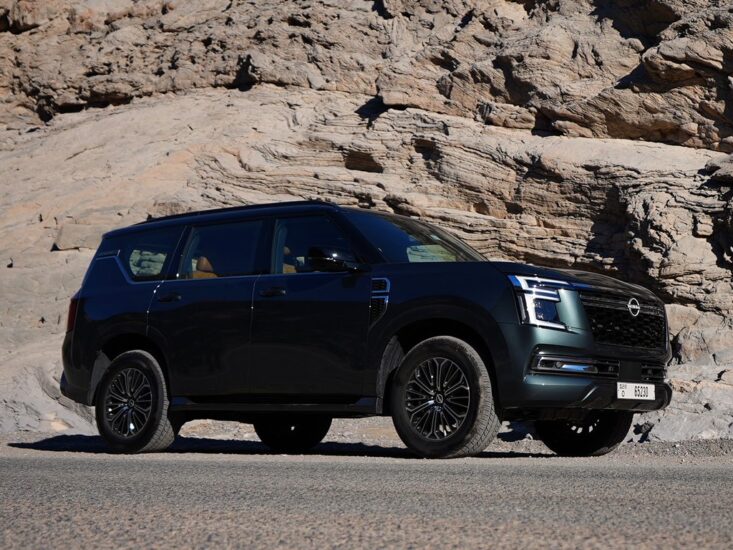
We got about 8.5 km/l on our test drive. Nissan claims it can almost 10 km/l but we doubt it can reach those numbers in the summer months.
More importantly, the engine feels unstressed. That tends to matter more to long-term Patrol owners than chasing small fuel savings.
Verdict
The twin-turbo versions of the new Patrol may attract most of the attention, but the 3.8-litre V6 could quietly become the sweet spot of the Y63 lineup.
It delivers exactly what many GCC buyers actually want from a Patrol: comfort, refinement, space, reliability, and genuine long-distance usability.
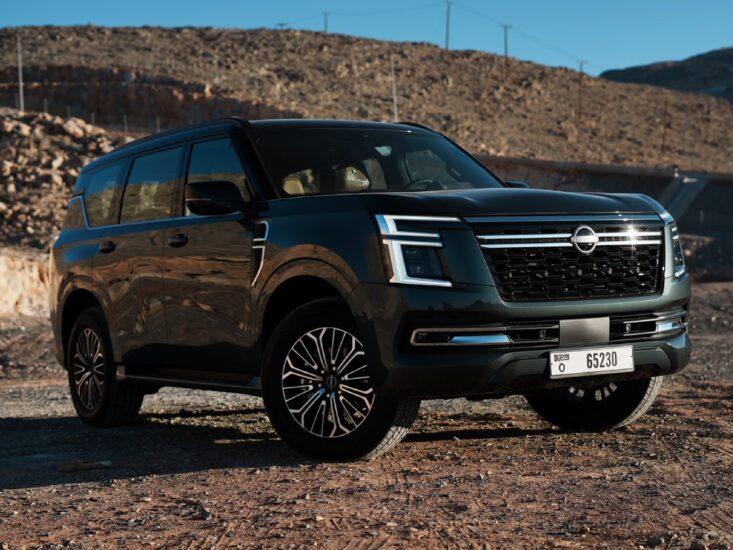
It may not be the fastest or most exciting version, but it feels honest.
The all-new Y63 Patrol has become more modern, more luxurious, and more technologically advanced, yet the 3.8-litre version still preserves the traditional character that made the Patrol successful in this region for decades.
For many Middle Eastern buyers, that balance may be exactly what matters most.
Prices for the Nissan Patrol Y63 3.8-litre starts from AED 239,900 in the UAE. The model tested was the top SE Platinum City model which costs AED 322,900.

Comments are closed. Please send an email if you have any feedback.