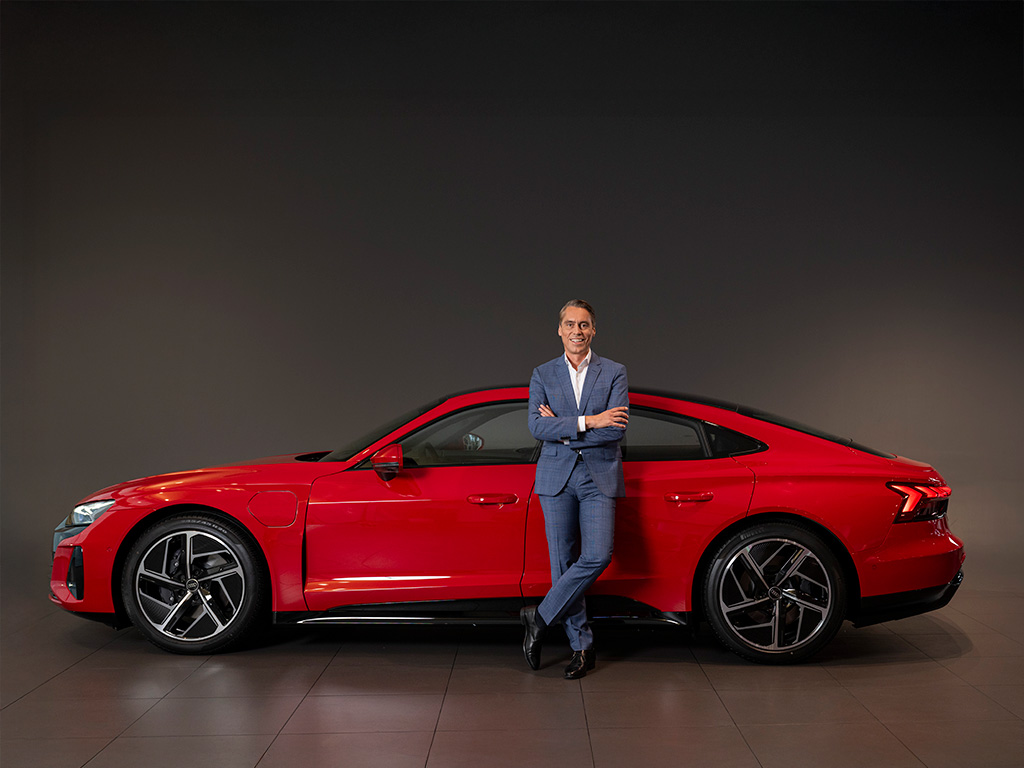
Interview with Rene Koneberg: Audi’s 60-Year Legacy and Its Future in the Middle East
This year marks six decades since Audi’s pivotal brand reset in 1965, a moment that reshaped the company’s identity and set the foundation for its enduring philosophy of Vorsprung durch Technik. To mark the milestone, DriveArabia sat down with Rene Koneberg, Managing Director at Audi Middle East, to discuss how the brand’s legacy of reinvention continues to guide its future — from electrification and infrastructure partnerships to customer experience and design innovation — in one of the world’s fastest-evolving regions.
This August marks 60 years since Audi underwent its pivotal brand reset in 1965. What lessons from that moment of reinvention still guide the brand today, especially in a region as dynamic as the Middle East?
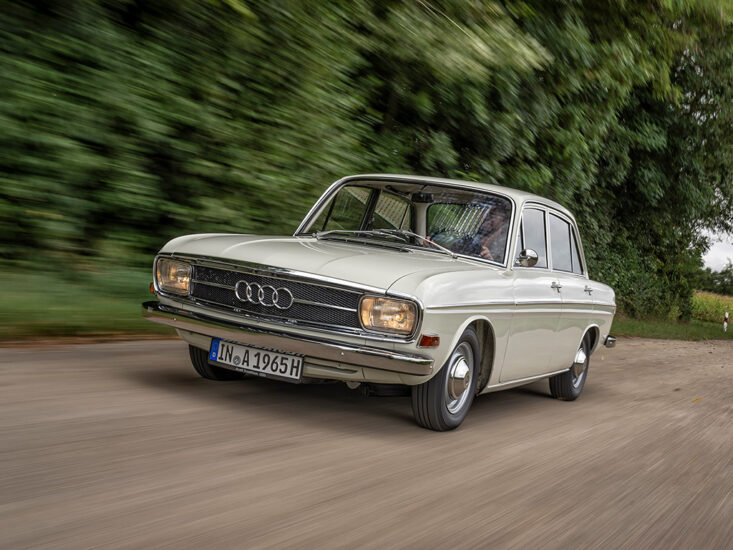
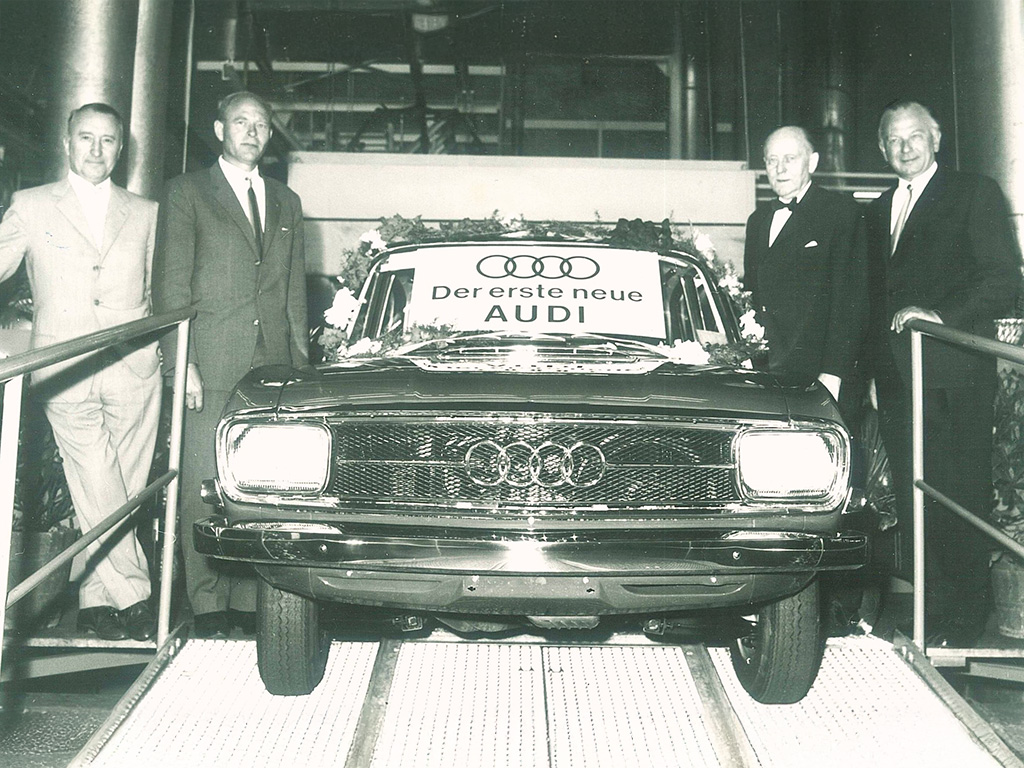
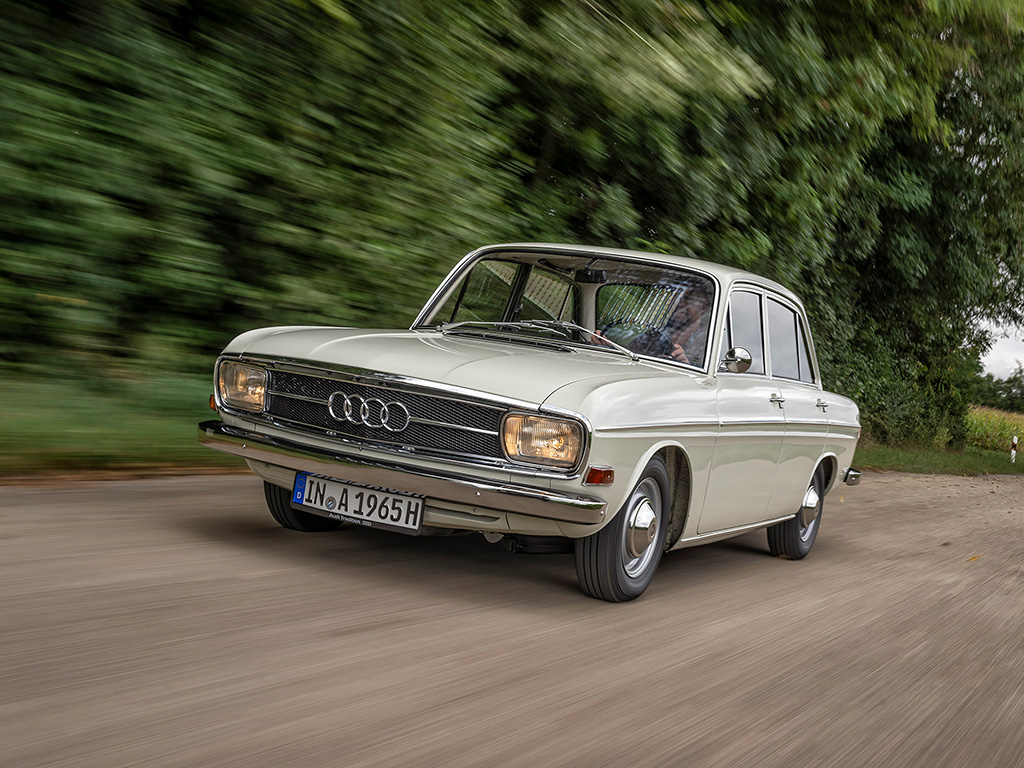
The year 1965 marked the moment Audi became the brand we know and love today. The reset laid the groundwork for the modern identity of Audi, shaping the brand’s vision and character. It set a tone of precision, innovation, and purposeful design that continues to drive every decision we make. That same year, the F-103 was introduced making way for Audi’s first automobile with a four-cylinder, four-stroke engine, and signalled the start of a new engineering philosophy. Not long after that, the philosophy would be captured in the words “Vorsprung durch Technik”, a reflection of our belief in progress through technology.
In the Middle East, where ambition is matched by rapid transformation, the ability to evolve with clarity and intent is essential. Audi has always adapted to an evolving setting by anticipating change and shaping it. As a brand that goes beyond performance and luxury, our customers expect us to evolve with their world, anticipate what comes next, and deliver an experience that feels as future ready as it is timeless. Whether it is through the expansion of our e-tron portfolio, the introduction of our Premium Platform Electric (PPE) architecture, or our upcoming entry into Formula 1, we continue to shape what progress looks like.
This is where Audi’s DNA becomes our greatest strength, with constant innovation, balanced with design clarity and technical excellence.
From electrification to customer experience, Audi has undergone a transformation in the Gulf that mirrors the region’s ambitions under Vision 2030. How is the brand continuing to evolve in a market that demands reinvention and progress in equal measure?
The transformation underway in the Gulf is bold and future-focused, making the region an ideal reflection of Audi’s own trajectory. Vision 2030 sets a high benchmark for innovation and sustainability, and we see it as an opportunity to elevate how we operate across every touchpoint. Reinvention at Audi is guided by deliberate strategy and long-term focus, from engineering and design to product planning, retail development and customer experience. Vorsprung durch Technik remains the principle behind how we innovate across the business.
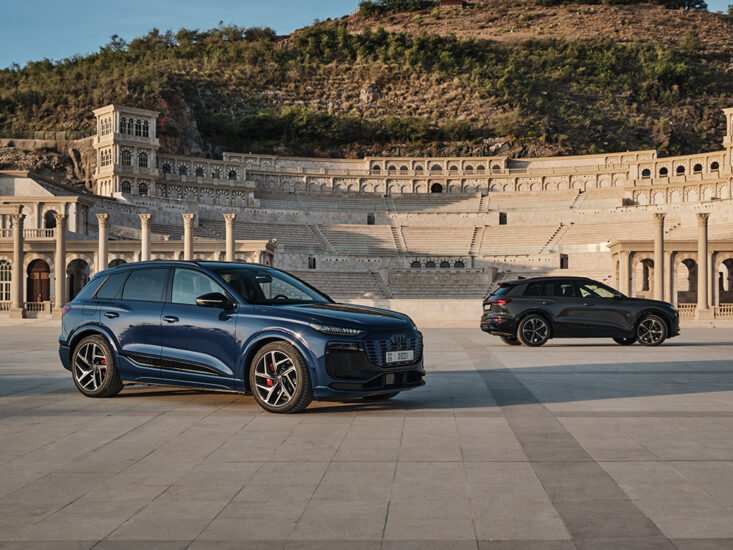
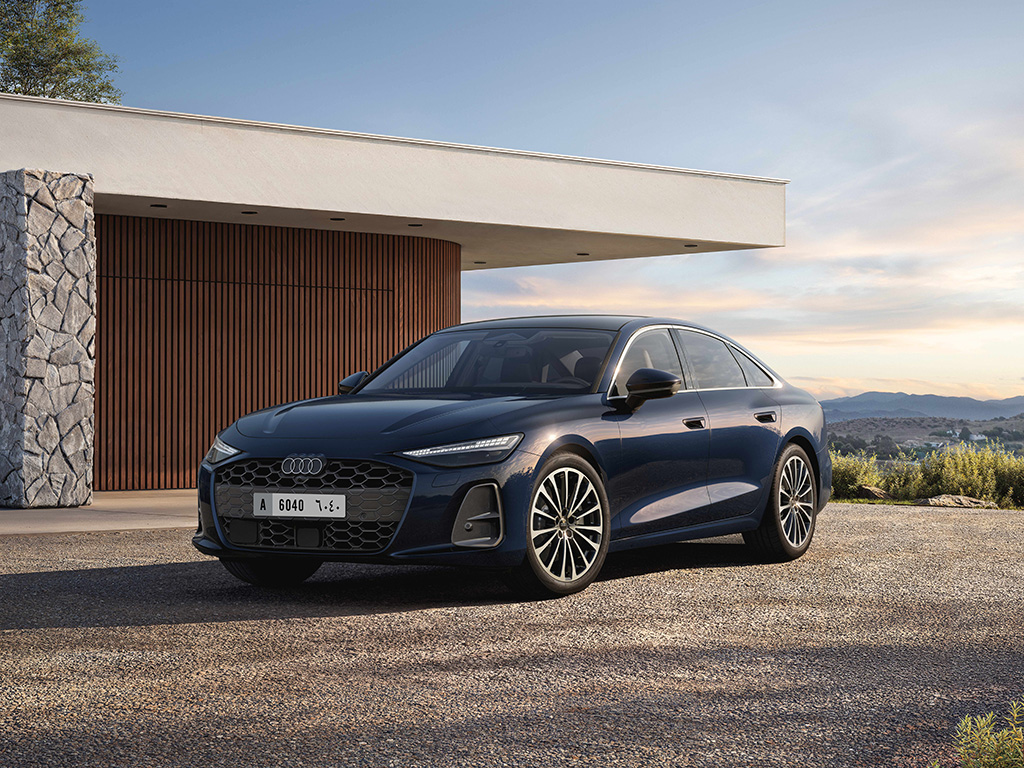
This approach is reflected in our current product roadmap. We are in the midst of the largest product offensive in Audi’s history, with a portfolio designed to meet a broad range of customer expectations. Among the highlights are the Q6 e-tron, RS e-tron GT and newly launched A6 e-tron; models that signal our commitment to electric mobility while preserving the precision and purpose that define Audi.

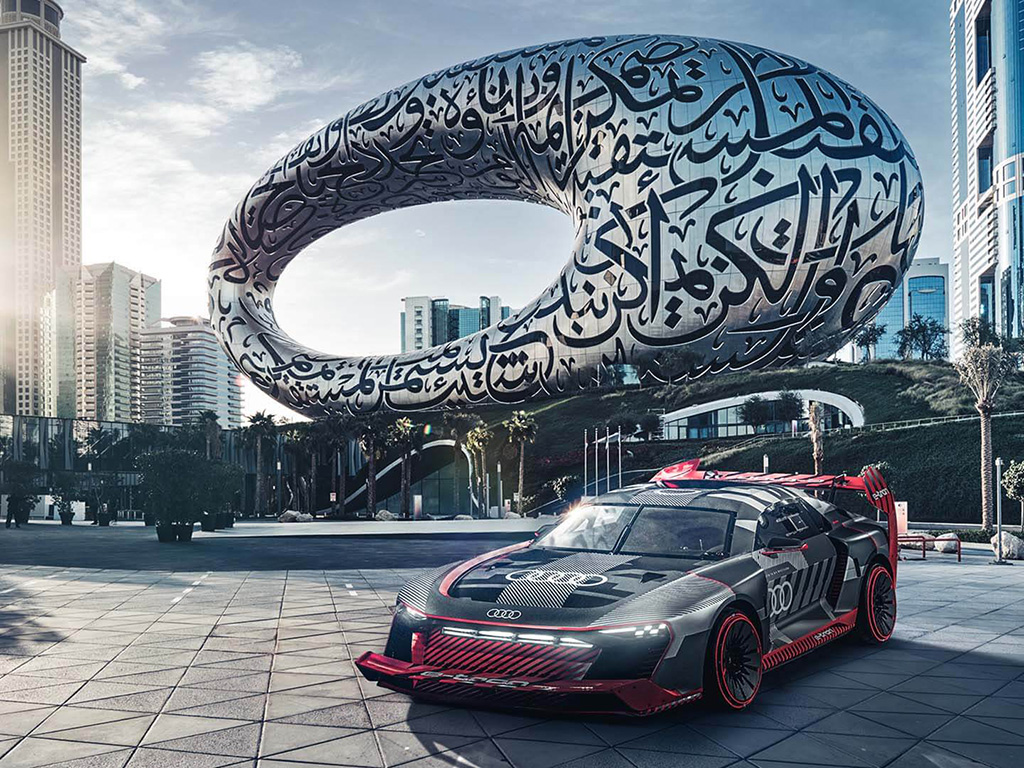
Electrification remains a core focus, supported by strategic infrastructure development and partnerships across the region. We have collaborated with key stakeholders, including Siemens, Desert Technologies in Saudi Arabia, KAHRAMAA in Qatar, and the Audi EVO charging network in Oman, to install more than 150 chargers, including 18 high-power units. Notable locations include the Museum of the Future in Dubai, The Pearl and Doha Oasis in Qatar, Al Mzaar Hotel in Lebanon, and Al Hazm Mall in Doha. Additional sites are planned in Saudi Arabia and Qatar by the end of 2025.
Our retail strategy has evolved in parallel. The Progressive Retail Concept showrooms, such as the flagship space in Dubai and a new site in Doha, combine digital integration, sustainability and architectural transparency to create a more intuitive brand experience. Initiatives like Audi Open Haus further reflect how we are rethinking the ownership journey, offering more access and personalisation.

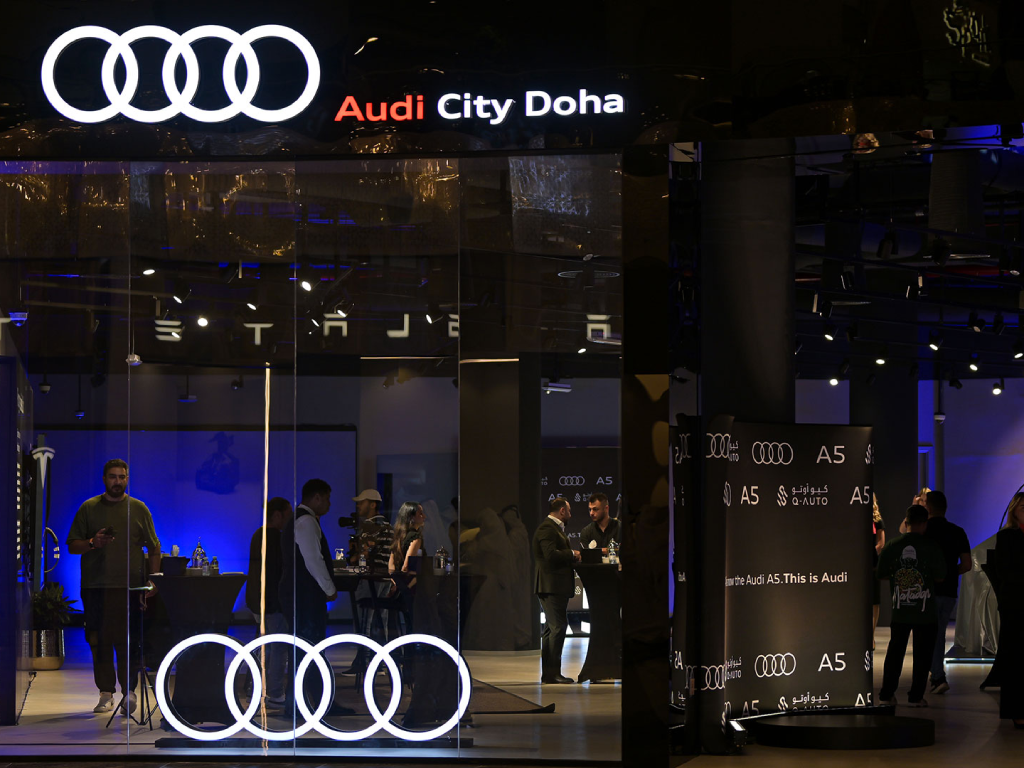
In the Middle East, this strategy is built to match the region’s pace and ambition. Launches are designed for deeper engagement, while every retail and digital touchpoint is shaped around contemporary behaviour. Reinvention continues through every layer of the organisation, from how we plan, deliver, stay responsive to what customers need. These efforts reflect a long-term commitment to grow with the region and help shape what progress looks like next.
Looking back at Audi’s six-decade journey, which legacy models or innovations do you believe most shaped today’s design and performance philosophy?
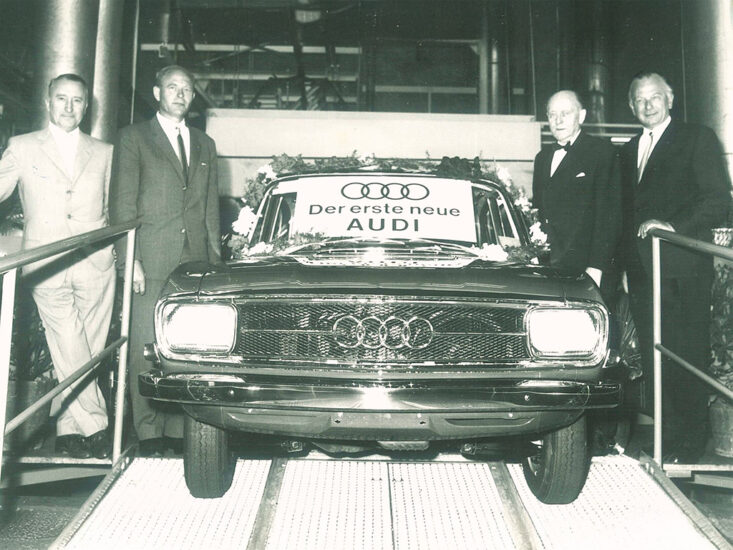
Certain innovations have left a permanent mark on how we design and engineer our cars. The F103, which rolled off the assembly line 60 years ago, signalled a new era for Audi – introducing a level of refinement and engineering precision that set the tone for everything that followed. Its legacy continues to define models today, such as the A6, where elements of the balance between comfort and capability continue to shine.
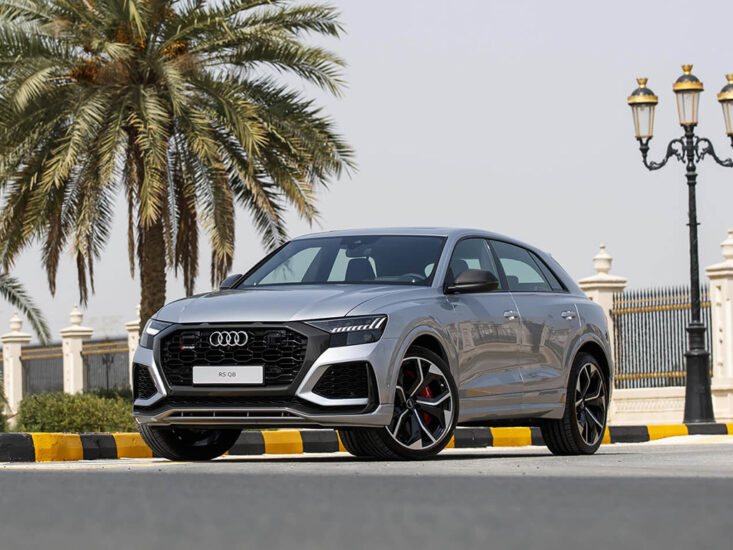
The revolution of our quattro technology in 1980 transformed what drivers expect from control and performance, which we see in the RS Q8 model today, where dynamic handling meets everyday practicality.
The aluminium space frame in the A8, launched in 1998, marked a pivotal shift in luxury automotive engineering. This reduced the body weight of the model by nearly 40%, making way for lighter, more efficient constructions that now underpin several e-tron models in our line-up.
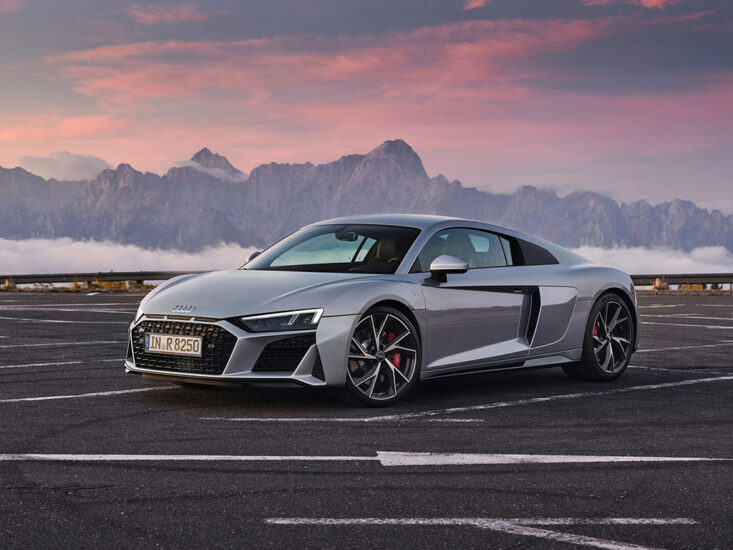
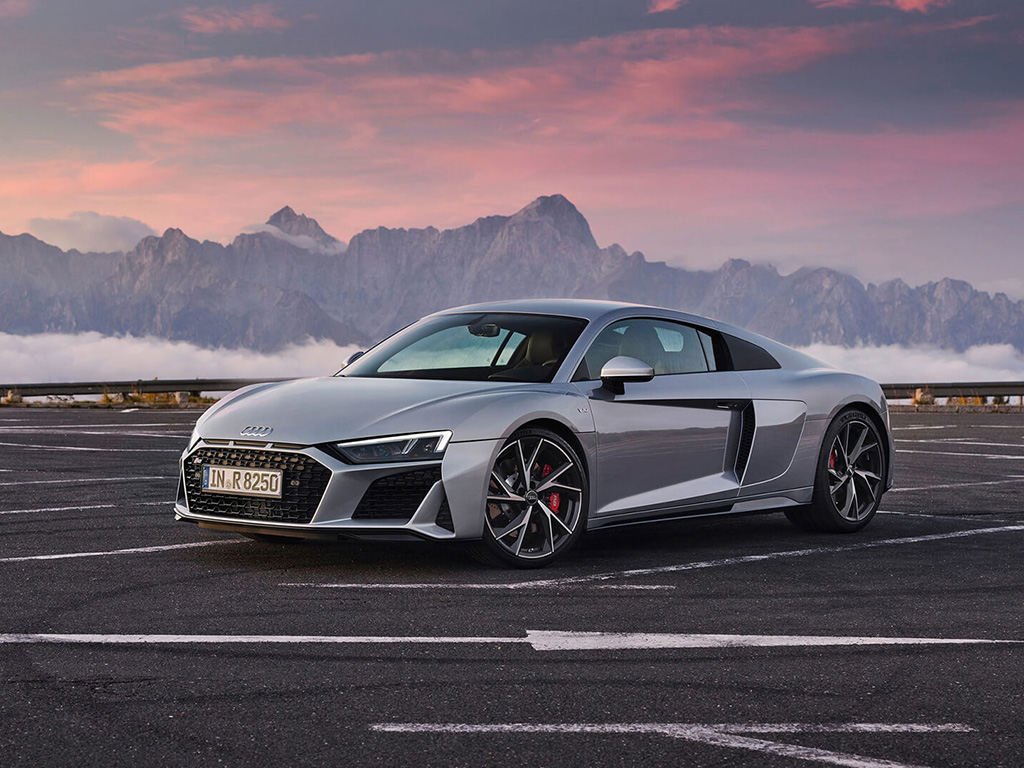
In 2006, Audi stunned the world with the iconic R8, bringing an entirely new perspective to performance, one that fused motorsport precision with everyday usability. As a model that broke conventions and captured imagination. Its influence remains evident in the design language and drive dynamics of our newest performance EVs, such as the RS e-tron GT.
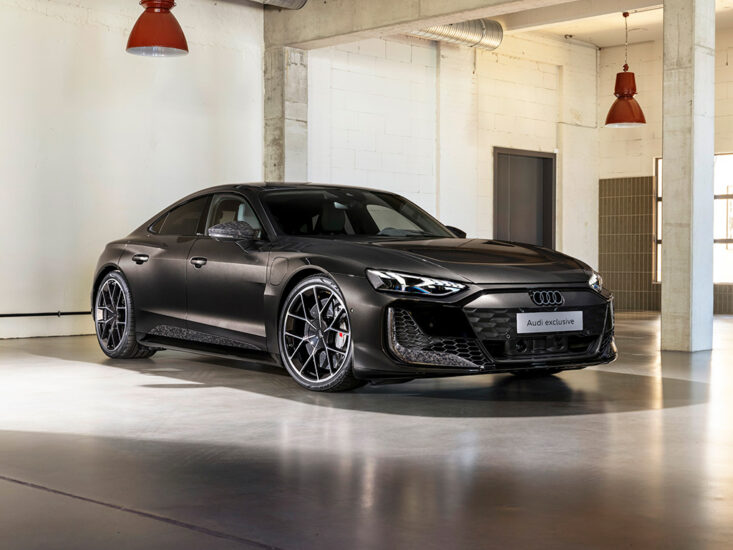
Together, these milestones form the blueprint of our philosophy today: progress that is both technically groundbreaking and emotionally resonant.
With the Middle East rapidly becoming a hub for innovation, design, and luxury, how is Audi ensuring it remains not only relevant but also a leading force in shaping the future of mobility in the region?
Our long-term growth strategy for the Middle East is built around three core pillars: electrification, digital transformation, and customer experience. This framework guides how we invest, collaborate, and deliver progress across the region. The Middle East is rapidly shaping its own future, and we see our role as being part of that momentum rather than observing it.

Audi’s largest product offensive to date is already shaping the region’s roads, with a line-up that spans advanced combustion models, progressive hybrids, and a rapidly expanding e-tron portfolio. Our upcoming entry into Formula 1 in 2026 will further accelerate the transfer of high-performance, race-proven technologies into everyday mobility, an approach that strengthens both our innovation pipeline and our connection to driving enthusiasts.
Electrification remains a primary focus, supported by continued investment in infrastructure, upcoming model launches, and partnerships across the region that enable broader adoption of electric mobility.
In parallel, our digital transformation roadmap is creating more connected and efficient interactions. This includes the rollout of CRM 2.0 to enhance customer engagement and streamline operational processes at the dealership level.
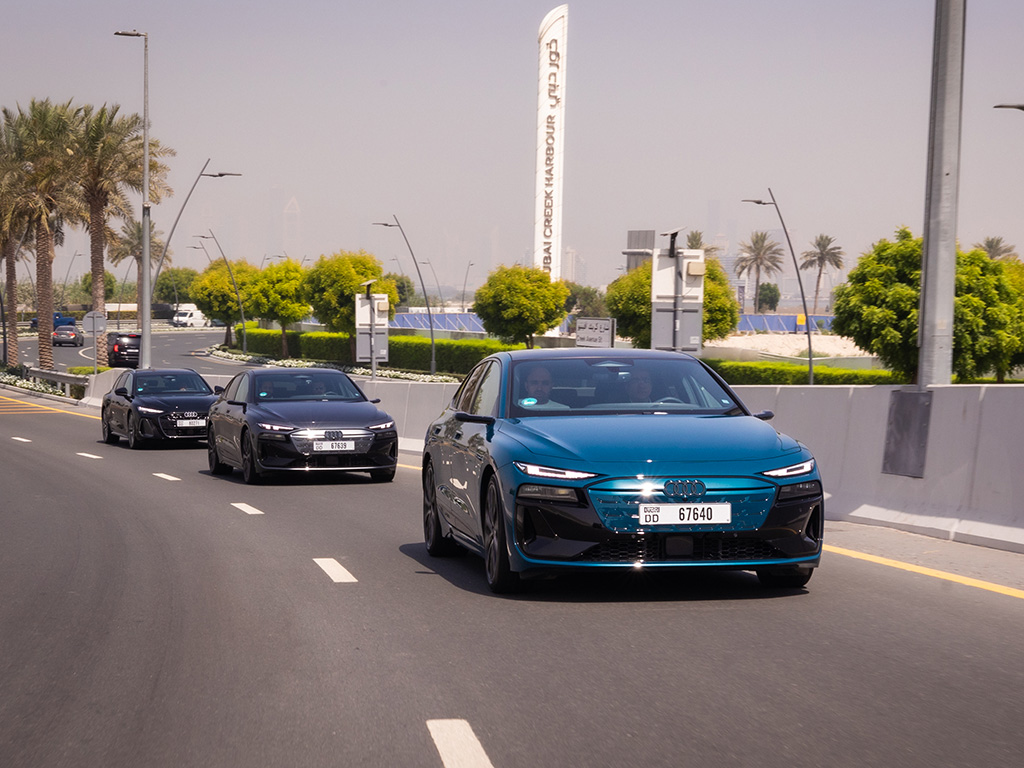

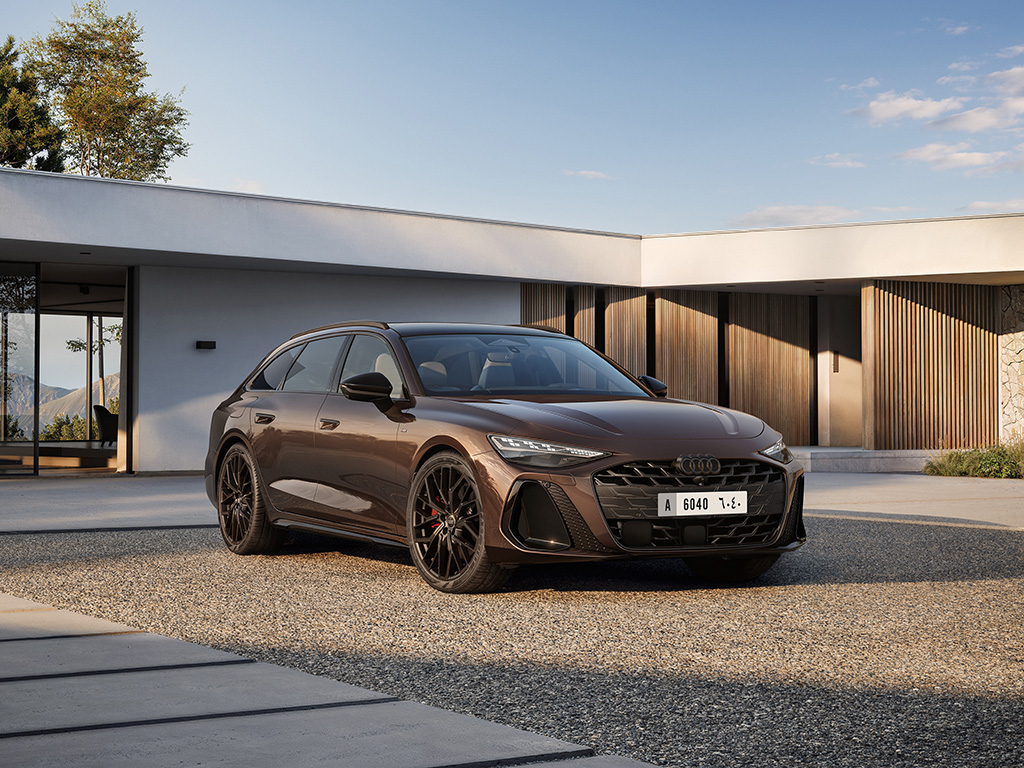
Retail environments are also evolving to reflect this direction, with the introduction of the Progressive Showroom Concept. These spaces are designed to create a more fluid experience, connecting the physical and digital journey in a way that is intuitive and relevant.
These advancements have been intentional, with a deep understanding of the region’s culture of ambition, while continuing to focus on shaping the dialogue on what premium mobility should look like in the years ahead.





There are no comments. Be the first!