
Nissan’s recovery plan to focus on large SUVs for the Middle East
Nissan has announced its global Re:Nissan turnaround strategy, a sweeping recovery plan to restore profitability and operational efficiency by fiscal year 2026. As part of this bold restructuring under new leadership, Nissan is reaffirming its commitment to the Middle East, naming the region as one of six key global markets alongside the U.S., Japan, China, Europe, and Mexico.
For Middle East buyers, this means more focused product offerings, especially in the high-demand large SUV segment, and potentially more competitive new models sourced through Nissan’s expanded manufacturing and supplier partnerships, including from China.
SUVs remain the backbone in the Middle East
As part of its market-specific approach, Nissan has placed large SUVs at the centre of its regional strategy in the Middle East. Models like the Nissan Patrol continue to play a vital role in the brand’s success in the GCC. Under Re:Nissan, the company is expected to double down on the SUV segment, ensuring future SUV offerings remain relevant and regionally tailored.
Nissan has also hinted at exploring Chinese-built models to enhance value and diversify offerings. This approach could introduce new nameplates with aggressive price positioning while maintaining brand quality expectations in the region.
Faster development, more innovative production
As part of the global transformation, Nissan will reduce the number of platforms from 13 to 7 by 2035 and cut parts complexity by 70%. This will allow for faster vehicle development, as little as 30 months for new family models, meaning fresher products can be brought to regional showrooms quicker.
Upcoming products expected to benefit from this accelerated timeline include the next-generation Skyline, a new global C-segment SUV, and an all-new INFINITI compact SUV. Depending on the final market rollout, all of these could be relevant to Middle East buyers.
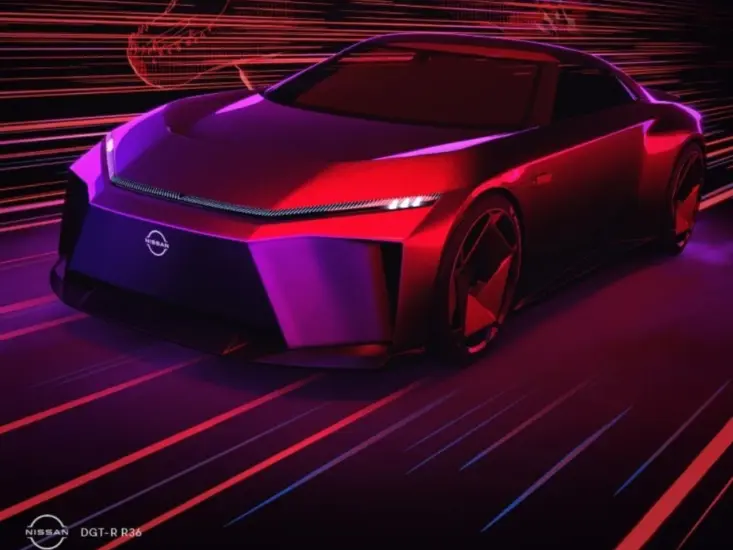
photo credit: _nao.what_ / Instragram
Strengthening regional presence through partnerships
While Re:Nissan includes major global restructuring, such as cutting 20,000 jobs and reducing its manufacturing footprint from 17 to 10 plants, the brand is also placing emphasis on partnerships to expand its product range. Ongoing collaborations with Renault, Mitsubishi, and Honda will result in new EVs and intelligent driving tech, some of which could reach the Middle East under the Nissan or INFINITI banner.
For instance, a new EV based on the next-gen Nissan Leaf is being developed for Mitsubishi’s North American portfolio, but similar tech could soon support affordable electrified offerings in GCC markets.
What does it mean for the GCC?
While most of the Re:Nissan headlines focus on cost savings and global manufacturing reductions, the impact in the GCC is more product-oriented. Nissan aims to:
-
Maintain dominance in the large SUV segment
-
Expand model variety using cost-effective platforms from China
-
Introduce new SUVs and crossovers tailored to regional tastes
-
Shorten product cycles for quicker rollouts of new models
-
Continue to leverage strong local dealer networks, especially in the UAE and Saudi Arabia
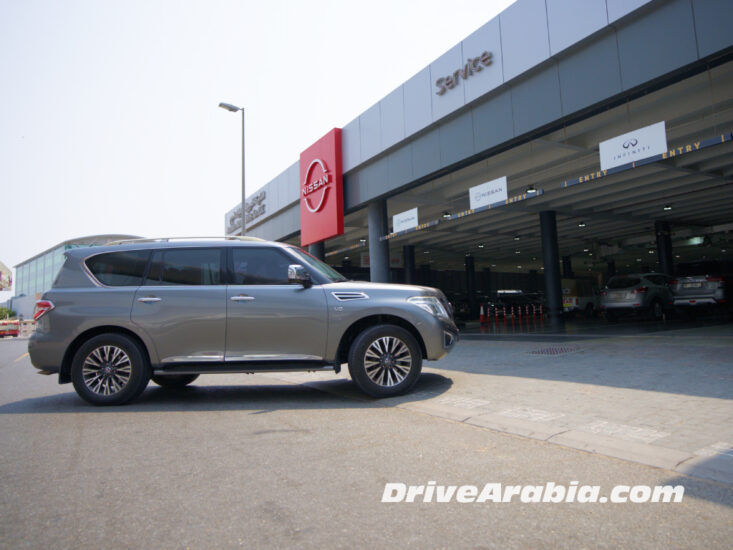
With SUV demand in the GCC showing no signs of slowing and regional buyers increasingly prioritising tech, performance, and value, Nissan’s sharper focus on the Middle East under the Re:Nissan plan could help the brand stay competitive in one of its strongest export markets.
More details on upcoming regional launches are expected to follow as Nissan’s product revamp begins globally this year.

There are no comments. Be the first!