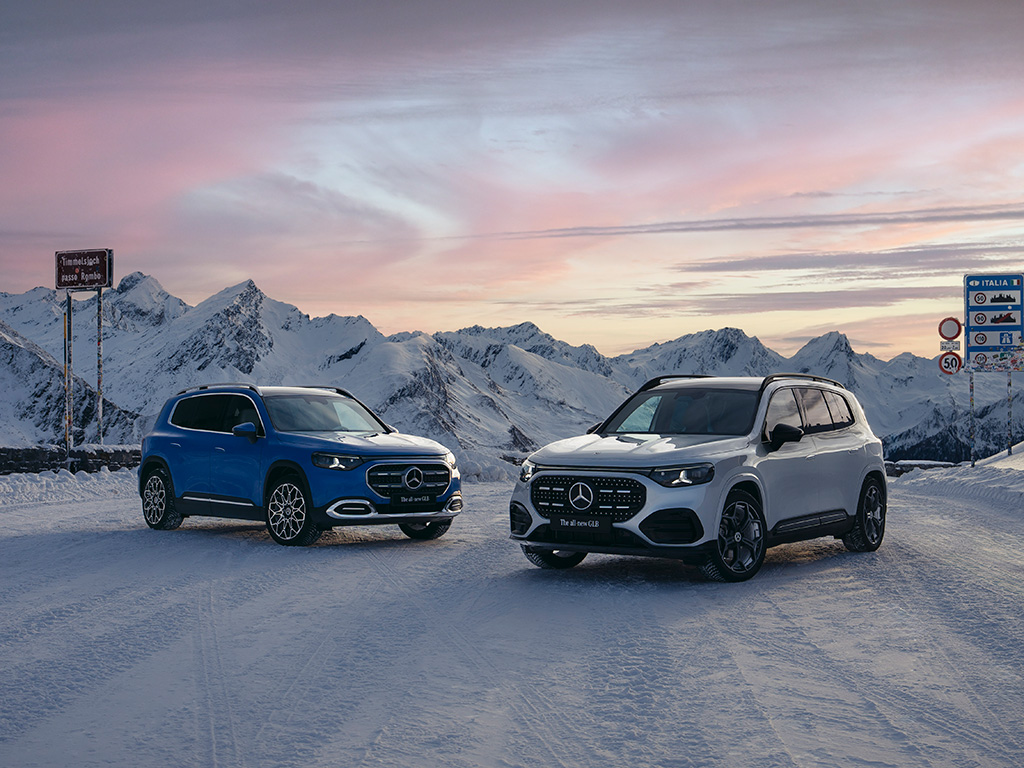
2026 Mercedes-Benz GLB all-new compact SUV revealed
Mercedes-Benz has whipped the covers off its second-generation GLB compact SUV, with the highlights being greater interior space, fresh new visuals, a cutting-edge Superscreen user interface and impressive consumption and range stats for petrol and EV models respectively.
The German carmaker also promises improvements in driving dynamics and refinement as the new GLB is built upon the more modern Mercedes-Benz Modular Architecture (MMA), as opposed to the ageing MFA2 platform that underpins the existing model.
The second-gen GLB is expected on sale in the UAE in the first half of 2026, although local pricing and spec levels are yet to be announced.
The current GLB has an entry price of AED 249,000, while its electrified EQB counterpart kicks off at AED 284,000. It’s safe to expect the second-gen model will bring a slight increase on these price points, given the higher spec levels and features of the newbie.
The new generation also ushers in a change in nomenclature, as both petrol and EV models will wear GLB badges, with the latter gaining a “with EQ Technology” suffix.
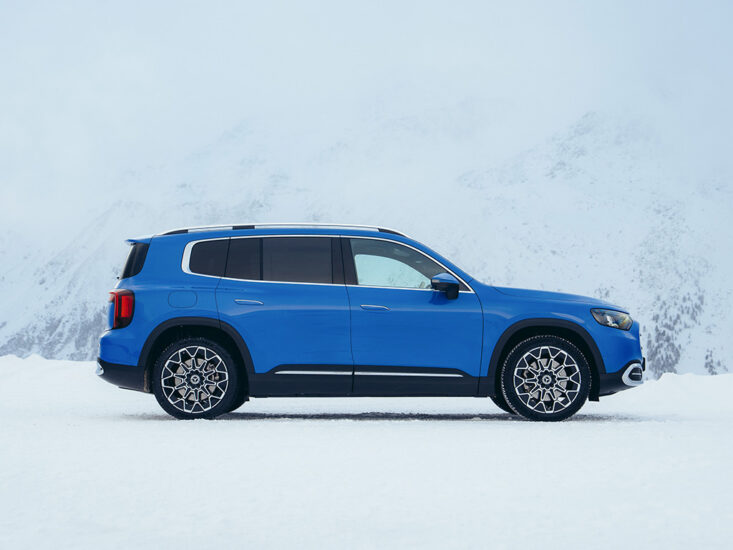
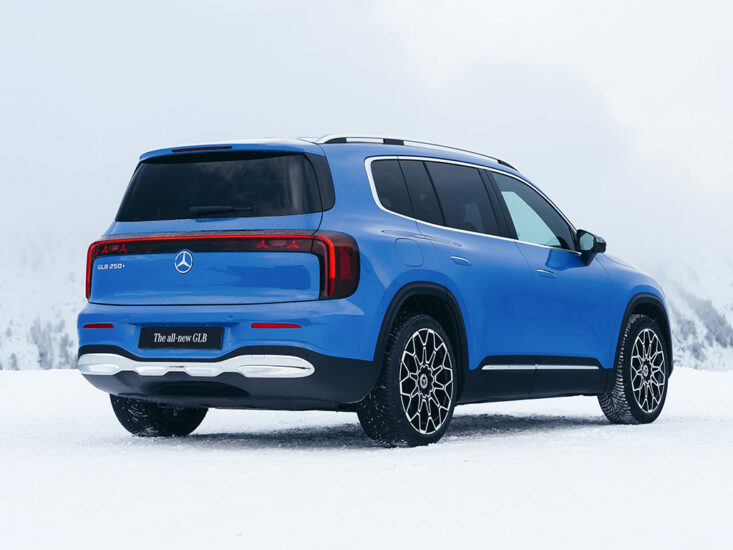
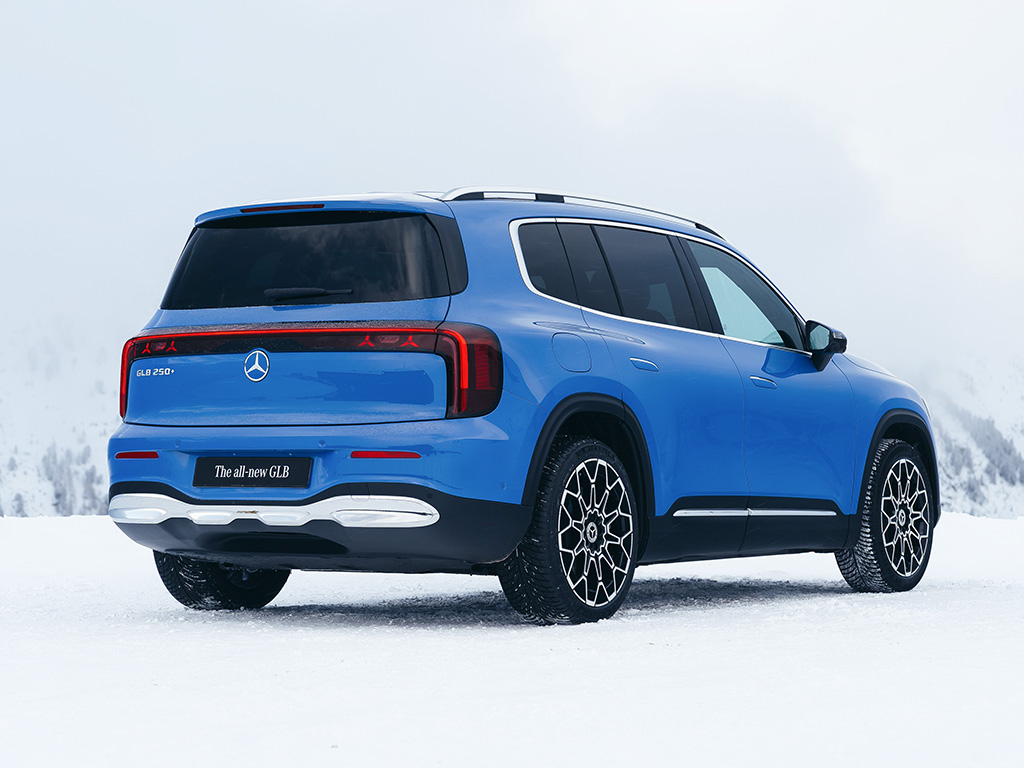
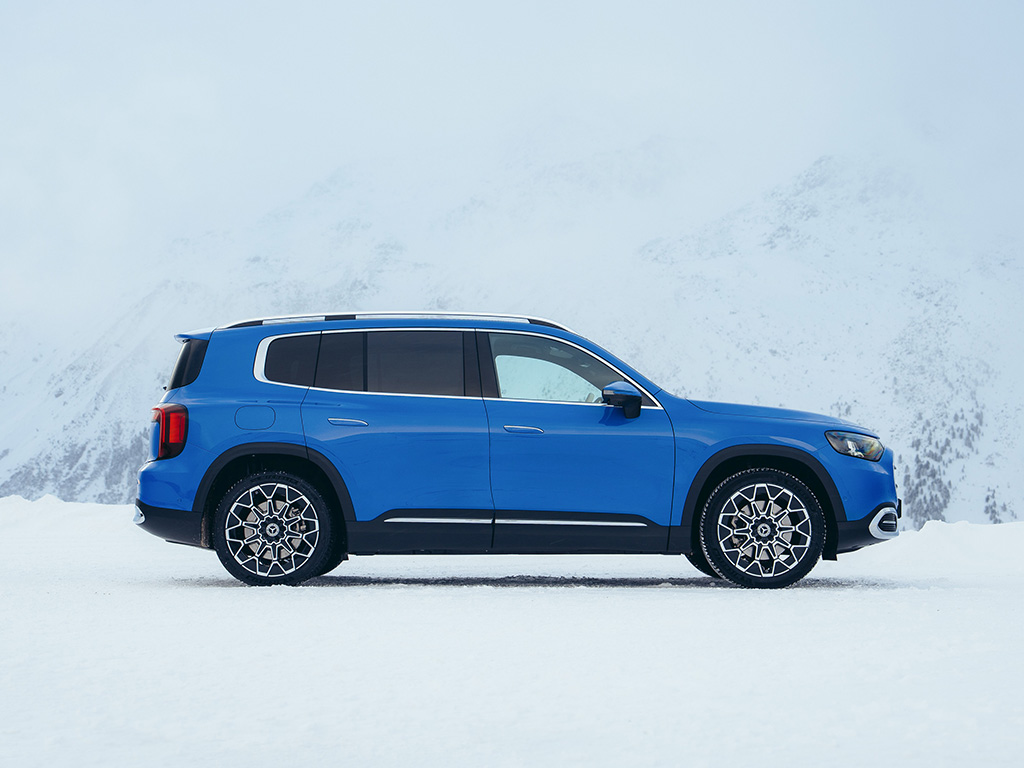
Although still positioned below the popular GLC, the second-gen GLB has grown substantially in size as it measures 4732mm long (+48mm), 1861mm wide (+27mm), while its wheelbase has stretched to 2889mm (+60mm). That said, it stands slightly lower than its predecessor at 1687mm (-14mm).
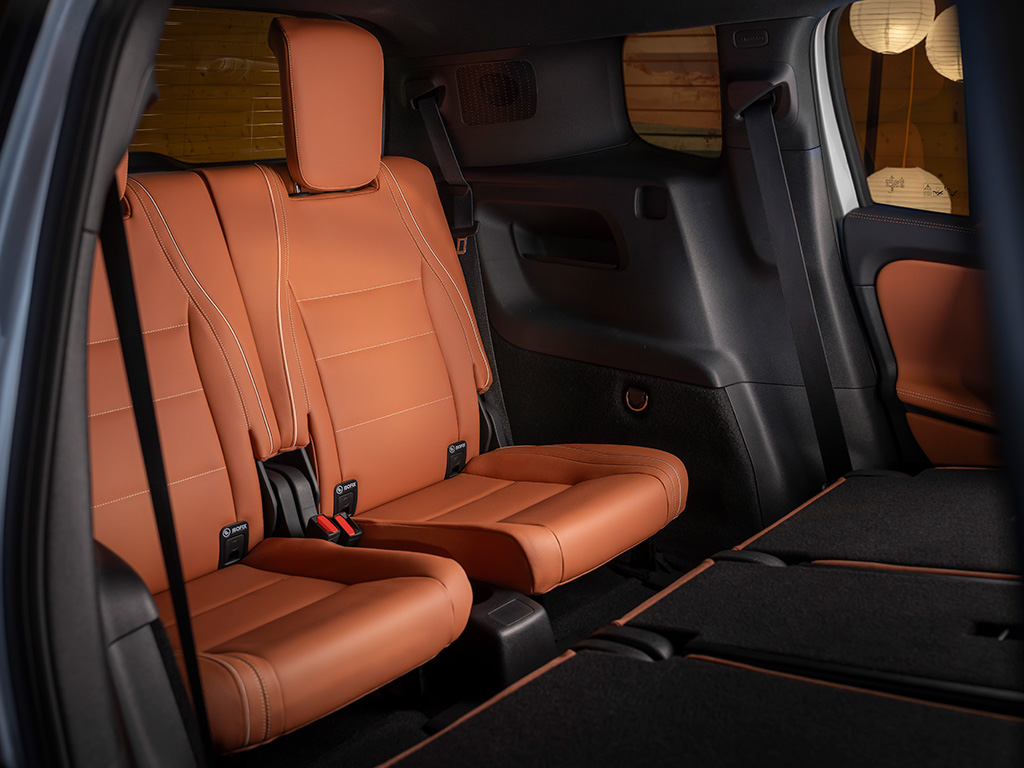
The GLB’s boxy profile reflects the vehicle’s practicality-first orientation. It will once again be available in five- or seven-seat configurations, with the second row sliding forward to liberate added luggage space.
EV versions of the newbie offer 540/480 litres (five-seater/seven-seater) of stowage space, expanding to 1715/1605 litres by folding the rear seats down. In addition, EV models have a 127-litre ‘frunk’ under the bonnet.
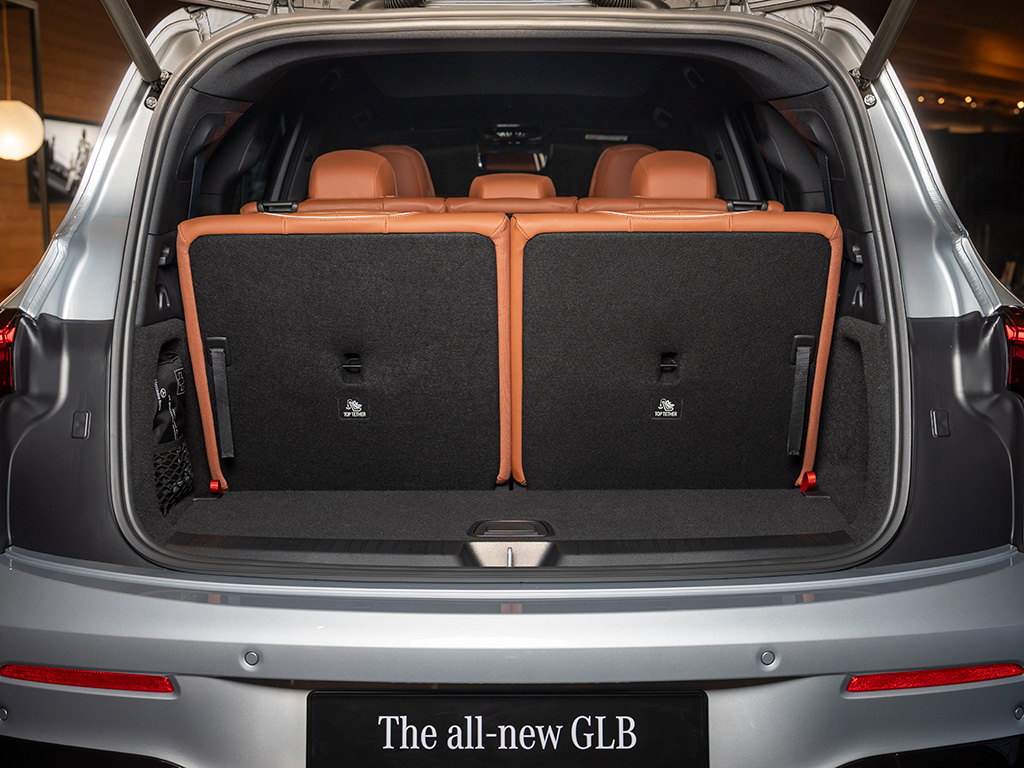
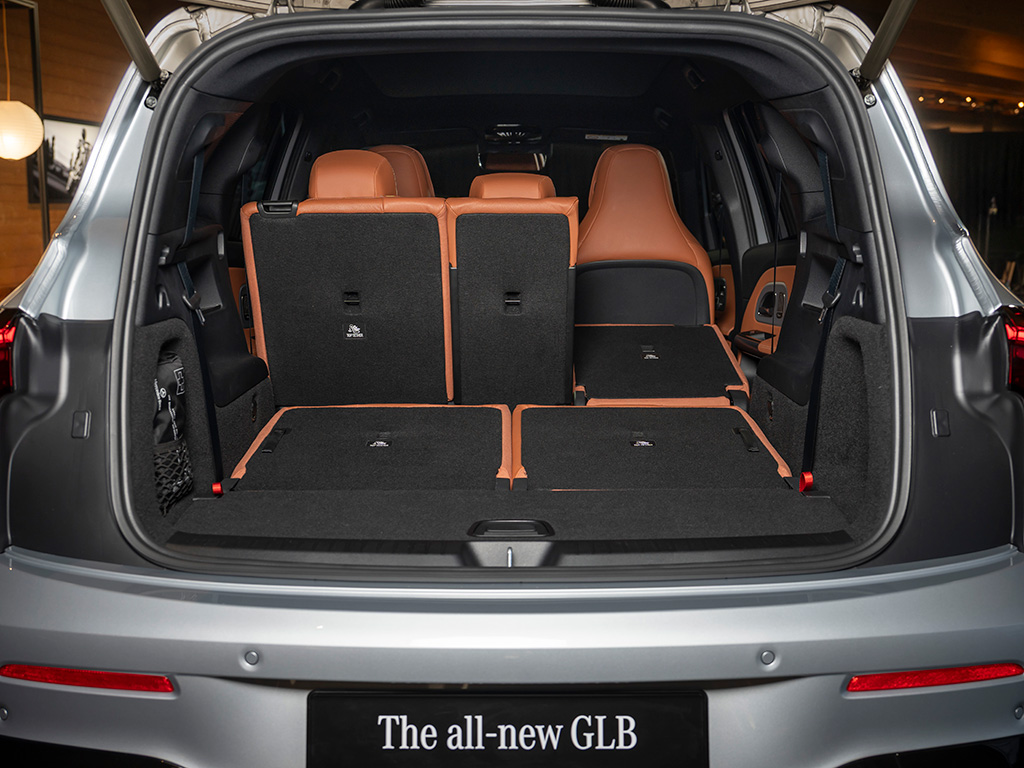
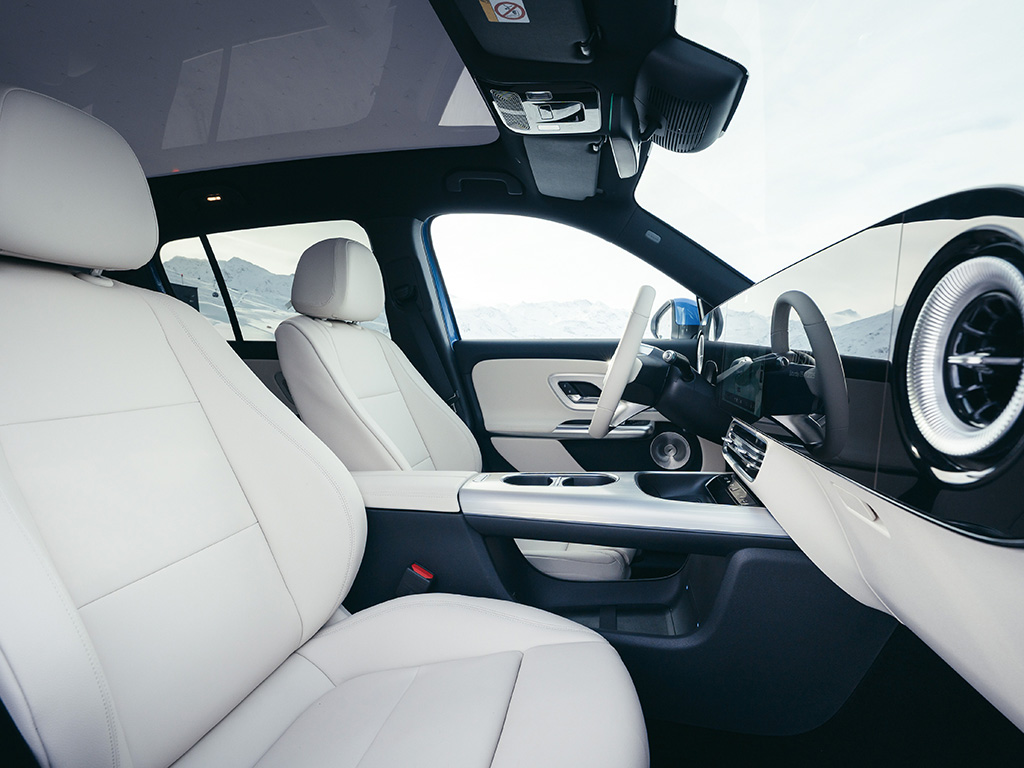
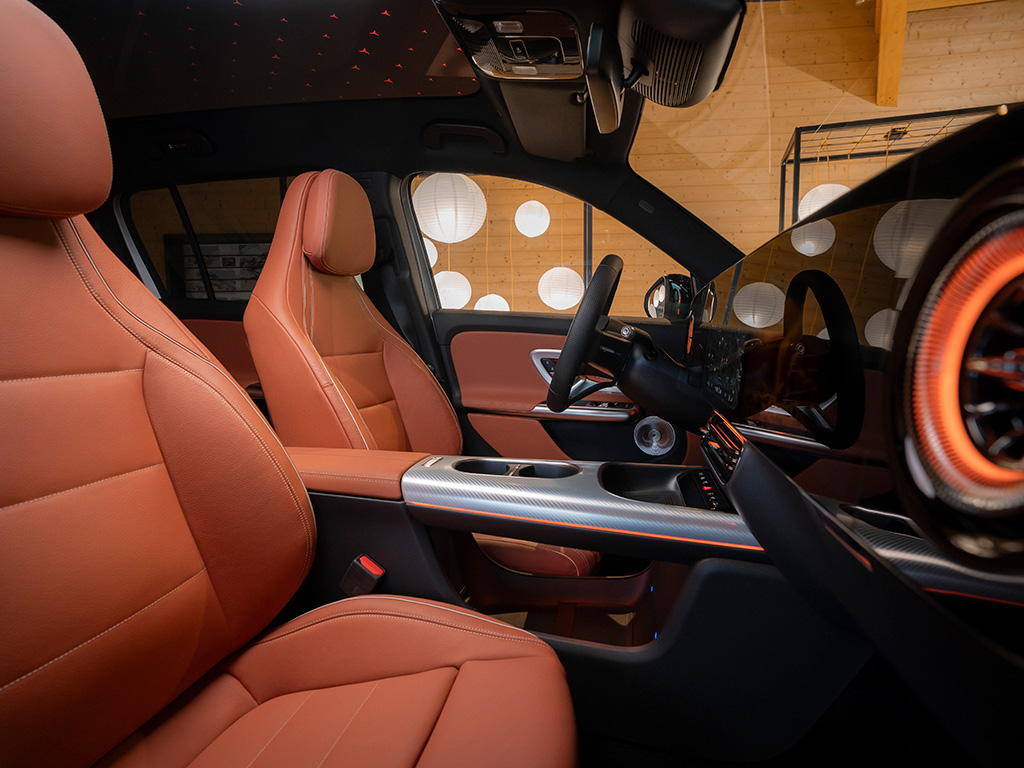
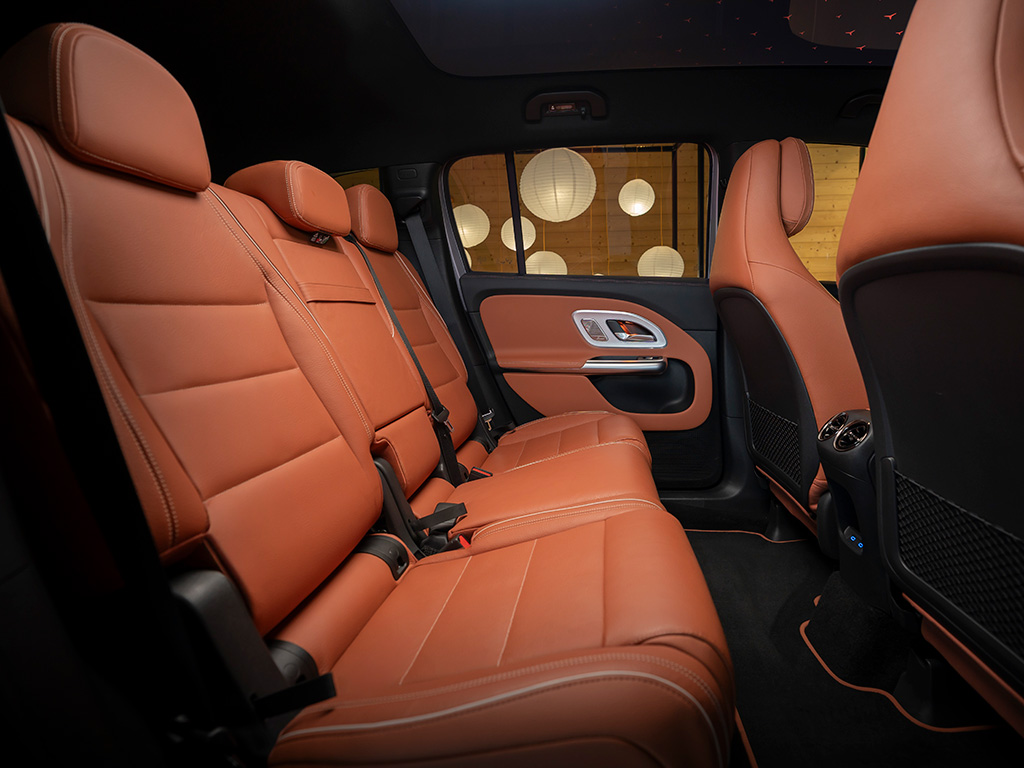
Mercedes claims the SUV’s upright design and a standard panoramic glass roof have improved headroom and visibility, while access to the third row has been made easier. Seating comfort in the second row has been noticeably improved, says Mercedes, thanks to more legroom plus a lengthened thigh support.
Although GCC sales of the current GLB are skewed towards petrol models over the EQB, the second-gen model has been designed with an “electric-first” philosophy – obviously with the European and Chinese markets in mind, where the vehicle is a big seller.
Two battery-powered models will be offered (at least in Europe) from launch – the single-motor GLB250+ and dual-motor GLB350+ 4Matic. Both models are equipped with an 85kWh battery pack and Mercedes quotes a touring range of 542-631km for the former and 521-614km for the latter.
Fast DC charging is possible at 800-volt charging stations with a charging capacity of up to 320kW (a 10-minute zap at a 320kW charger adding up to 260km of range). However, the GLB can also use a 400-volt charging infrastructure and a DC converter is available as an option. The AC charging capacity is up to 22kW.
Power and torque outputs are quoted at 272hp/335Nm for the GLB250+ and 354hp/515Nm for the GLB350+ 4Matic, and sprightly performance is the result. The 0-100km/h split is dispatched in 7.4sec in the entry model, and 5.5sec in the range-topper.
In normal circumstances, only the rear electric motor provides motivation in the 4Matic, with the 80kW front motor only kicking in when a performance boost or added traction is required.
Petrol-hybrid models will pair a 1.5-litre turbo four-cylinder engine with a 48-volt mild-hybrid system and an eight-speed dual-clutch transmission, delivering improved efficiency and smoother response, according to the manufacturer.
Mercedes says the petrol models will be available with three power/torque outputs but hasn’t released technical specs for now. As with the EV variants, petrol buyers will have the option of 2WD and 4Matic variants.
The new GLB is armed with an array of driver assistance systems, including DISTRONIC distance control as standard in Europe. The hardware in Euro-spec cars comprises eight cameras, five radar sensors, 12 ultrasonic sensors and a water-cooled high-performance computer with sufficient power reserves for future functions and regular over-the-air updates.
Mercedes-Benz now bundles all assistance systems under the name MB.DRIVE.
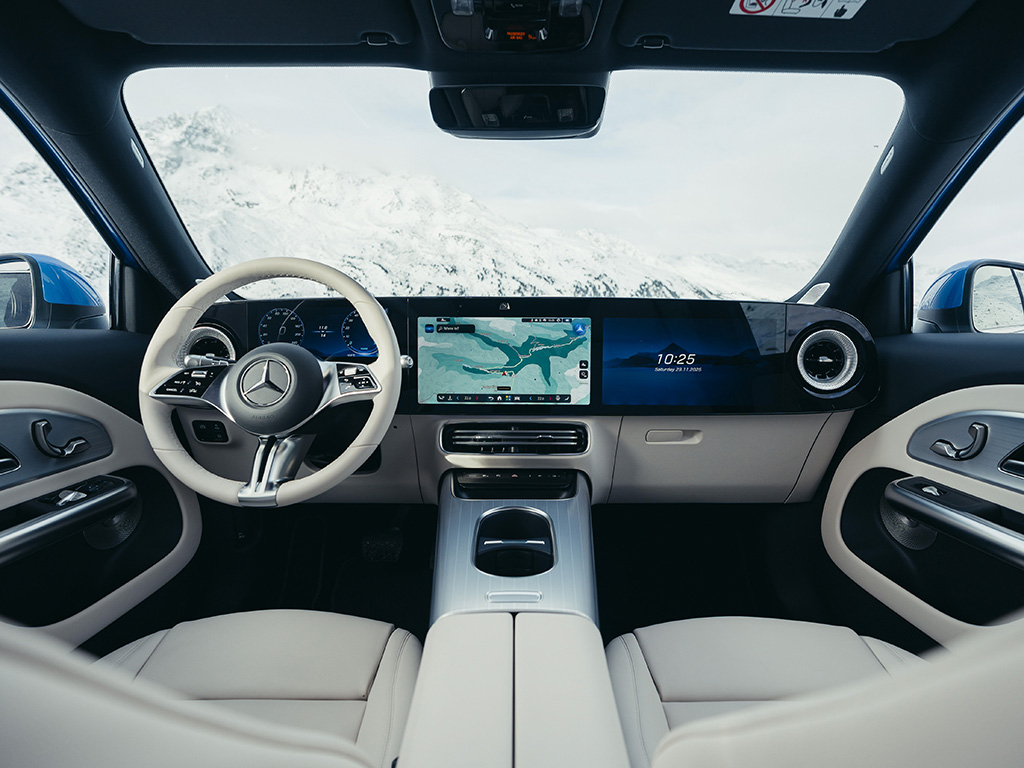
The highlight of the revamped cabin is Mercedes-Benz’s latest MBUX Superscreen, stretching across the entire dashboard. Up-spec models are equipped with a 10.25-inch driver display, a 14-inch central touchscreen, and another 14-inch passenger display, creating a seamless wall of glass.
Base variants have the same dashboard design but replace the passenger screen with a cosmetic trim panel.
The MBUX system integrates Google Maps directly into navigation and adds an AI-powered virtual assistant capable of learning driver preferences. Wireless phone charging, multiple USB-C ports and optional ambient lighting round out the tech upgrades.
Mercedes has also taken on board customer feedback and replaced the touch-based steering controls in earlier models with physical rocker switches for volume and adaptive cruise control.
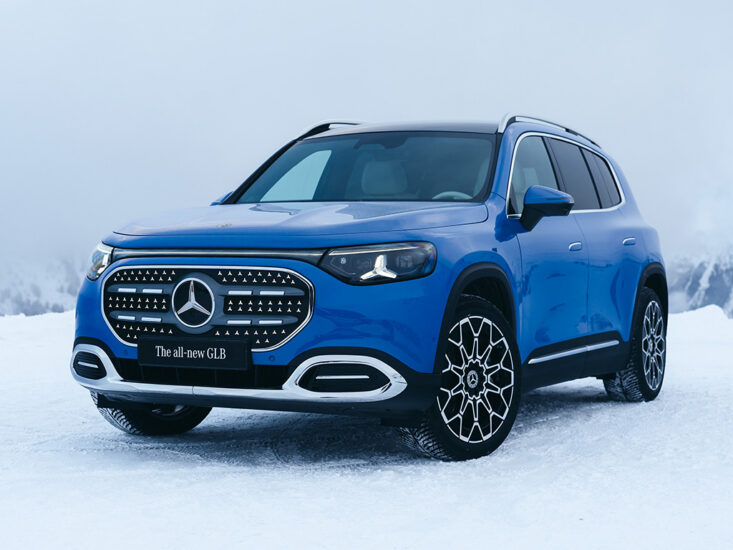
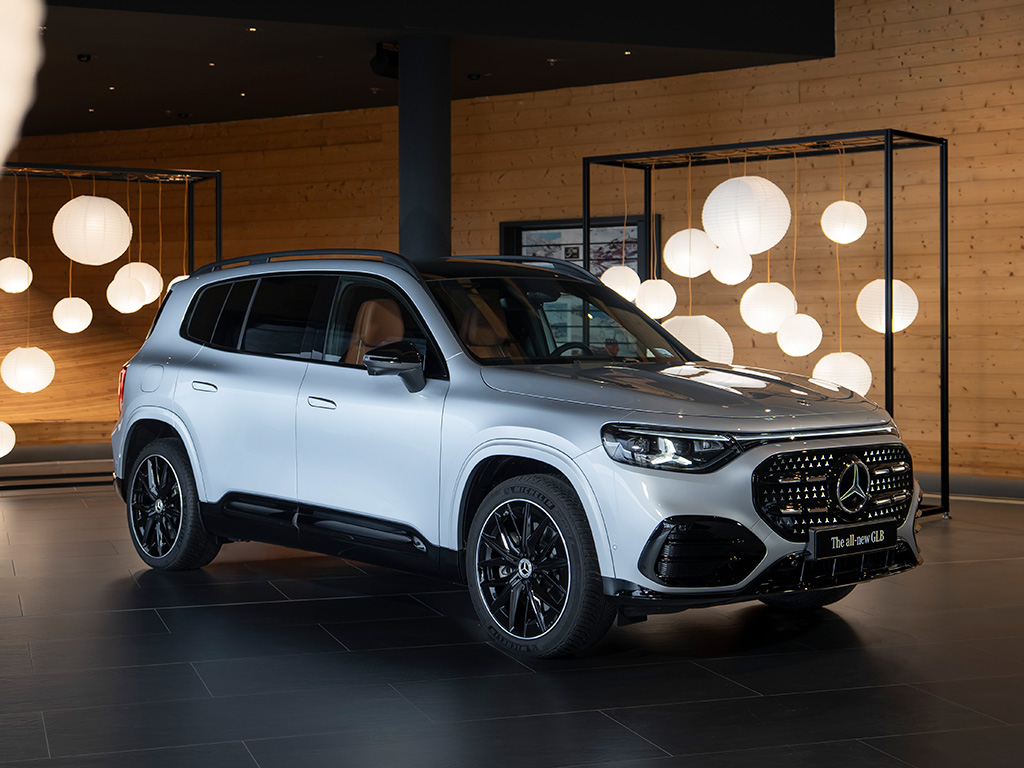
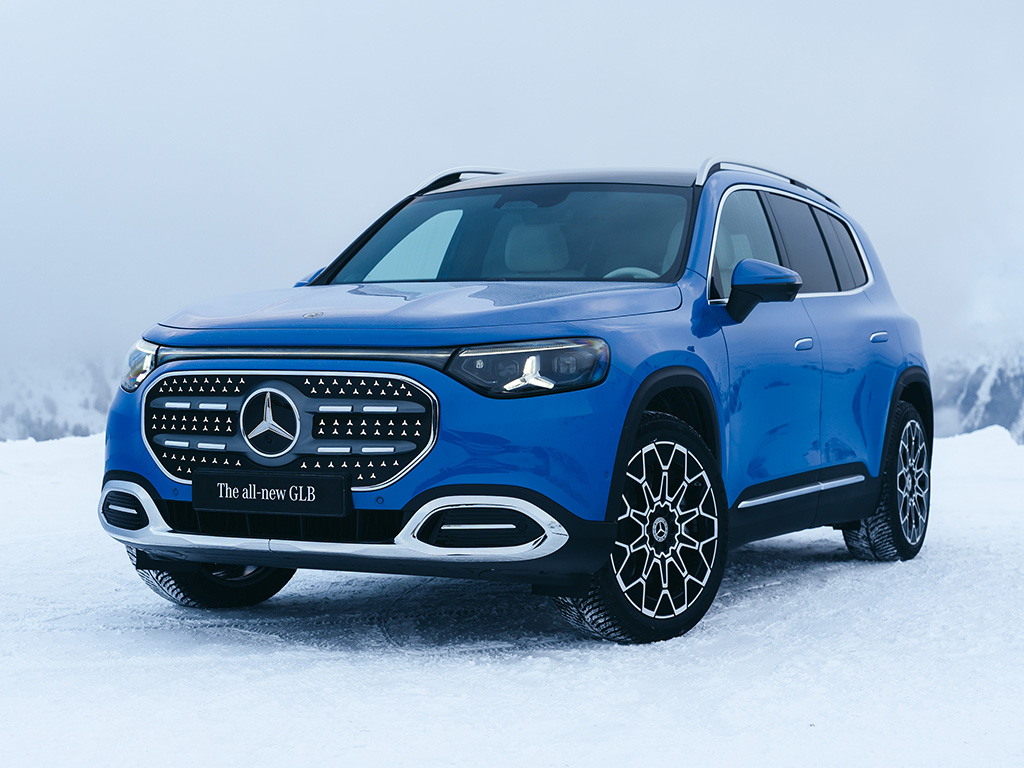
Visually, the new GLB carries over the upright stance of the existing model, but the design language is all-new, with three-pointed star motifs incorporated into the headlights, taillights and grille.
The second-gen GLB has a greater sense of style and dynamism overall, which may help boost its appeal with local buyers. Currently, the model lags behind the popular GLC and GLE in terms of overall sales numbers.

Comments are closed. Please send an email if you have any feedback.