
Is a Break-in Period Necessary for a New Car?
Modern cars are built for durability and performance, but the first few kilometres of driving are crucial for ensuring long-term reliability and smooth operation. Properly breaking in a new vehicle allows the engine and other components to settle into their optimal functioning state, preventing premature wear and ensuring peak performance.
What is a Break-in Period?
With advancements in automotive engineering, most modern vehicles do not require a strict break-in procedure. However, some manufacturers still provide recommendations in the owner’s manual to enhance the engine’s longevity. While not mandatory, following these guidelines can significantly improve the car’s long-term performance and efficiency.
In the past, new vehicles required a detailed break-in process to condition the engine and drivetrain components properly. Engines were machined with less precision, and the internal parts needed time to wear into place. Today, with advanced engineering and precise manufacturing techniques, the necessity for an extensive break-in period has been reduced but not eliminated. Reviewing the owner’s manual for specific instructions remains essential, as some vehicles, particularly high-performance models, may still require a structured break-in process.
Get Familiar with Your Car
The first step in owning a new vehicle is understanding its features and controls. A thorough review of the owner’s manual will help you locate and understand essential components, ensuring a safer and more confident driving experience. Take time to identify:
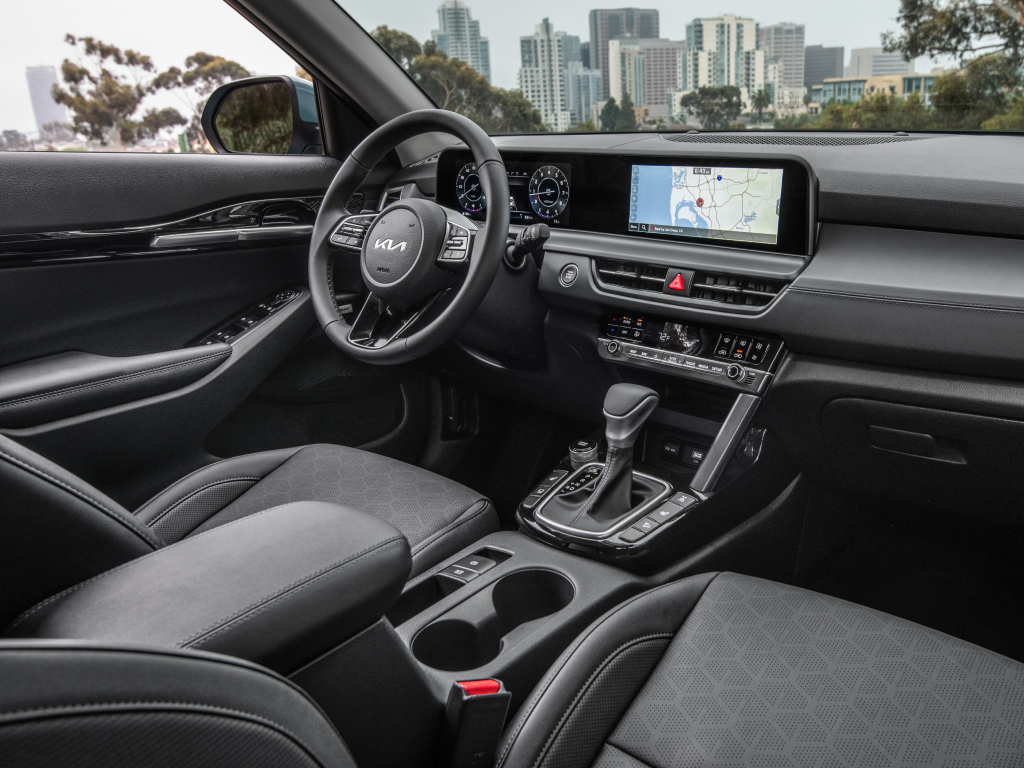
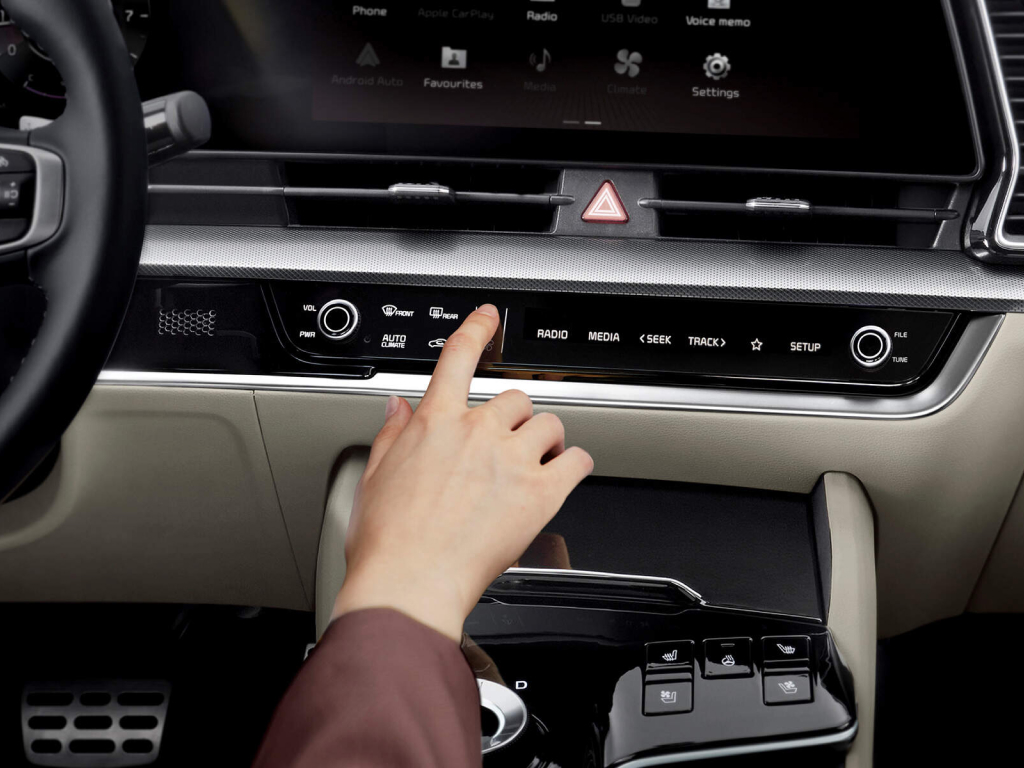
- Control Functions: Locate and familiarize yourself with the turn signals, high beams, hazard light button, wipers, and climate controls.
- Under the Hood: Identify the location of the engine oil filler, windshield washer fluid reservoir, coolant reservoir, and other essential maintenance points.
- Fuel System: Learn how to access the fuel tank, check the manufacturer’s recommended fuel type, and understand any fuel-saving features your vehicle might have.
- Tyre and Tool Kit: Ensure you know the recommended tyre pressure for your vehicle and locate the spare wheel, breakdown kit, and vehicle toolkit.
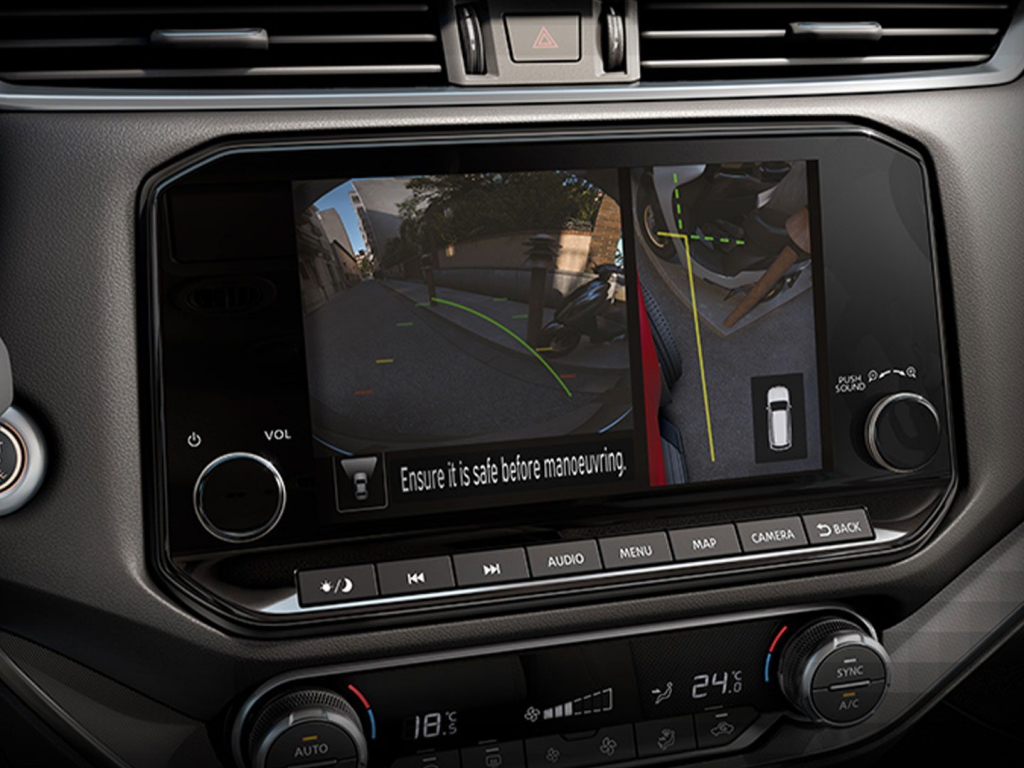
- Driver Assistance Systems: Modern cars have various driver aids such as adaptive cruise control, lane-keeping assist, and automatic emergency braking. Understanding how these systems work and adjusting their settings to your preferences can improve your driving experience.
Familiarizing yourself with these elements will prevent unnecessary distractions while on the road and ensure you can handle minor issues that may arise during your first drives.
Adjusting the Car to Your Comfort
Proper seating and mirror adjustments are essential for both comfort and safety. A well-adjusted driving position enhances control and reduces fatigue during long journeys.



- Seat Position: Set the seat height and distance to provide a clear view of the road and easy access to the controls. Maintain at least 12 inches between your chest and the steering wheel to allow sufficient space for airbag deployment in case of an accident.
- Steering Wheel and Pedals: Adjust the steering wheel for a comfortable grip while keeping your arms slightly bent. Ensure that your feet can fully depress the pedals without stretching.
- Mirrors: Adjust side and rearview mirrors to maximize visibility and minimize blind spots. Proper mirror positioning is crucial for making accurate lane changes and reversing safely.
- Driver Assistance Systems: You can configure features such as parking sensors, blind-spot monitoring, and lane departure warnings according to your driving habits and preferences.
The Right Way to Break in a New Car
Avoid pushing the car to its limits during the initial kilometres to allow key components to adapt properly. This includes the engine, transmission, brakes, tyres, and suspension. Following these steps can help your car reach its full performance potential while preventing unnecessary wear and tear.
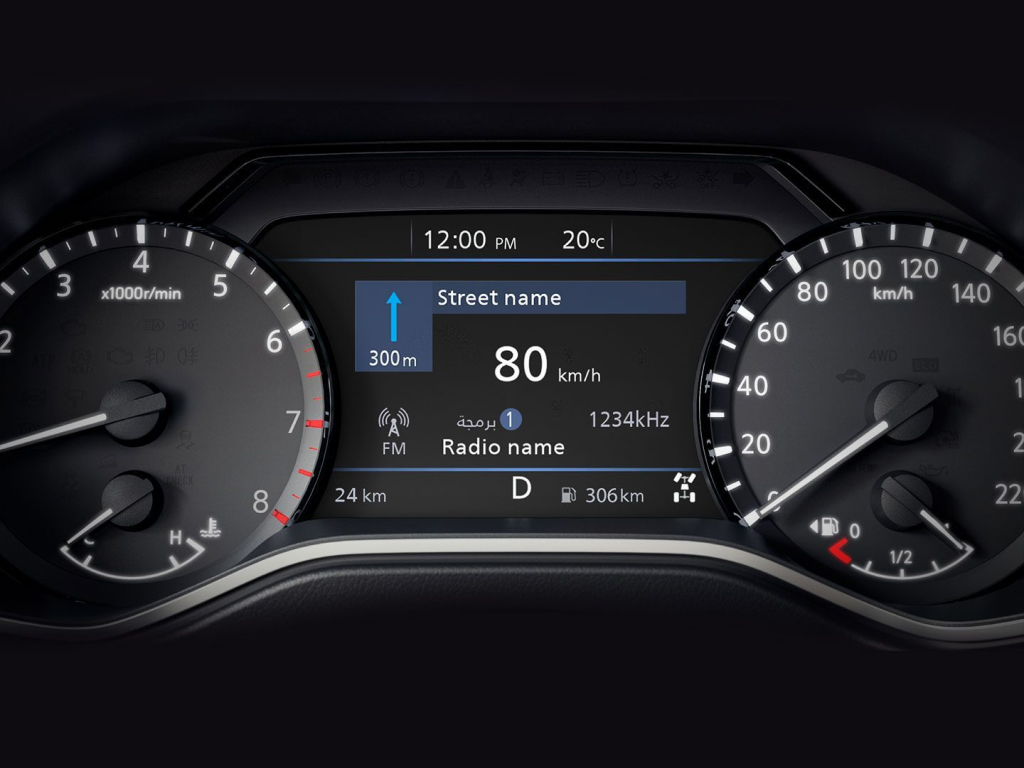
- Engine: Avoid high RPMs for the first 1,000 km. Keep the revs under 3,500 RPM and speeds below 140 kph for diesel engines and under 4,500 RPM and 160 kph for gasoline models. Gradually increase speed and RPM after reaching this threshold.
- Cold Starts: Never push a cold engine too hard. Allow it to warm up before applying heavy throttle, as cold oil does not lubricate as effectively, increasing wear on internal components. This practice applies throughout the vehicle’s lifespan.
- Cool Down: After intensive driving, avoid shutting off the engine immediately. Instead, drive gently for a few km to allow it to cool properly, particularly in turbocharged vehicles, where oil circulation helps prevent premature wear on turbo components.
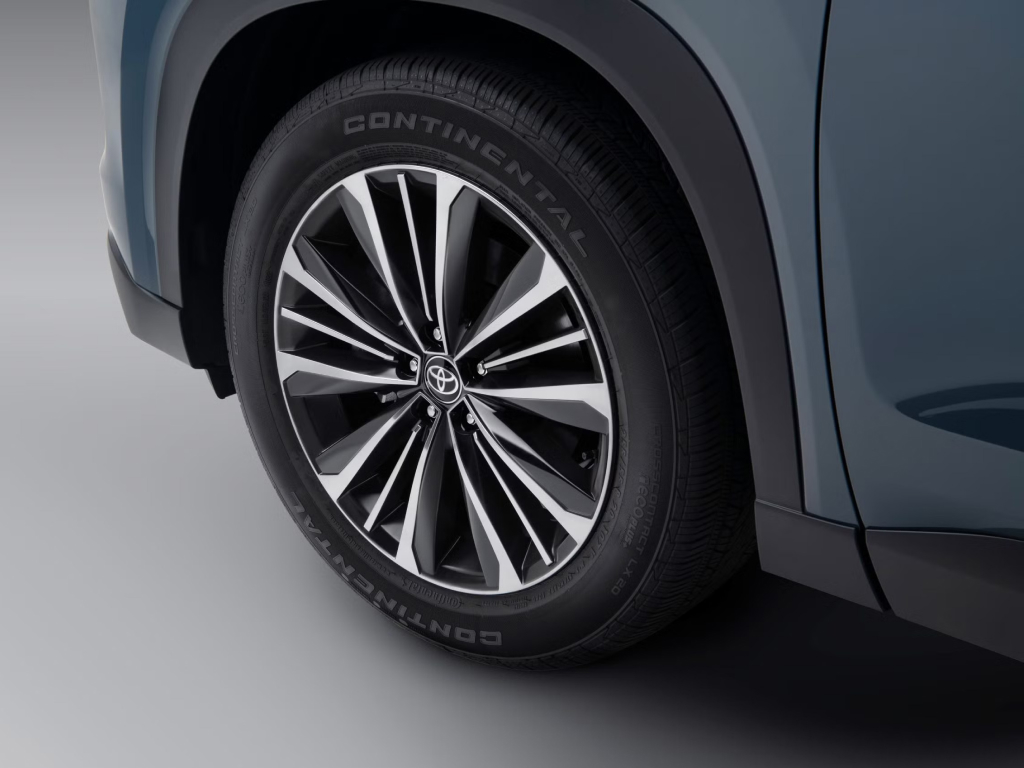
- Tyres: Due to manufacturing release agents, new tyres may have reduced grip during the first 500 km. Drive cautiously, especially in wet or slippery conditions, until the surface layer wears off and full traction is achieved.
- Brakes: Brake pads and discs need approximately 1,000 km to adapt to each other. Until then, braking performance may be slightly reduced, so avoid sudden hard braking and maintain a safe following distance.
- Suspension: Shock absorbers and springs require around 1,500 km to function optimally. Avoid carrying heavy loads or aggressive cornering during this period to allow the suspension components to settle correctly.
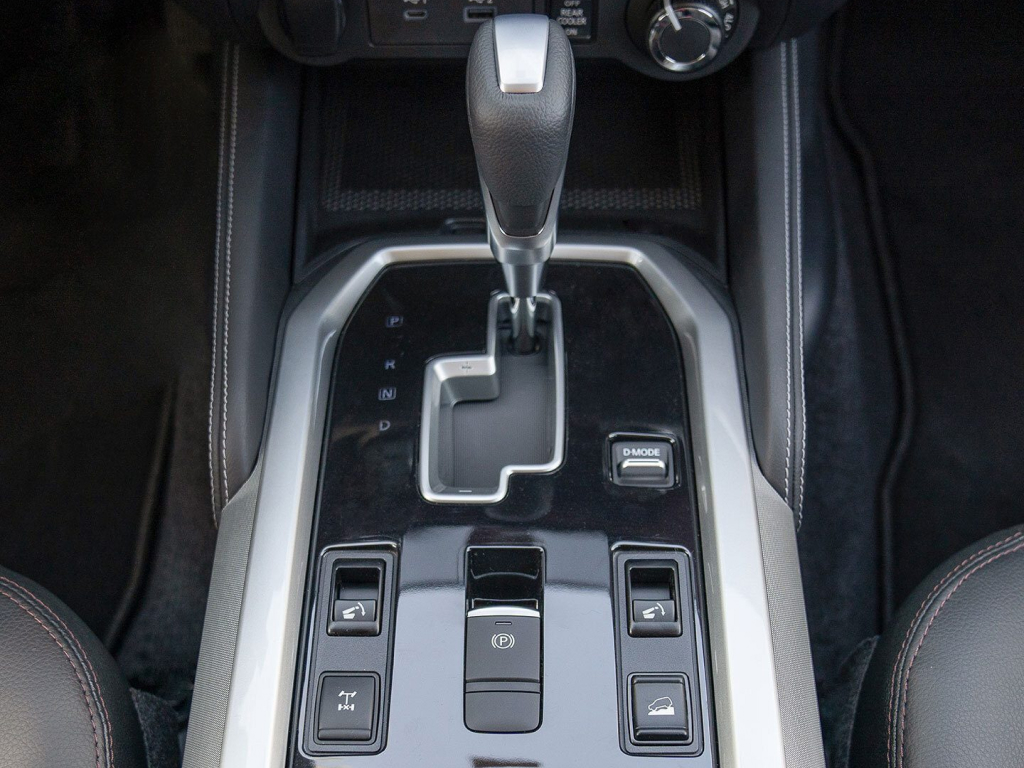
- Transmission: Smooth gear changes are essential, especially in manual cars. Avoid excessive downshifting or aggressive acceleration, allowing the transmission system to adapt to regular use.
- Avoid Heavy Loads: Do not tow trailers or carry excessive loads in the first 1,500 km, as this can strain the engine and drivetrain before they have had time to wear in properly.
While many traditional break-in practices still hold value, one outdated rule has been eliminated—there is no longer a need to change the engine oil after the first 1,000 km. Thanks to modern synthetic oils and advanced filtration systems, the first oil change can typically be done according to the manufacturer’s recommended schedule, usually between 5,000 km to 10,000 km. However, always check your owner’s manual for specific guidance.
Long-term Benefits of a Proper Break-in
A well-executed break-in process can result in a smoother-running engine, improved fuel efficiency, and longer-lasting components. Vehicles that are properly broken-in tend to experience fewer mechanical issues down the road, as their engine, transmission, and braking systems have had time to settle into optimal working conditions.
Following these guidelines can help ensure a smooth and reliable driving experience for years. Investing time and patience in the first few thousand kilometres of your car’s life will pay off in enhanced performance, efficiency, and longevity.

Comments are closed. Please send an email if you have any feedback.