100 Years of GMC in the Region: How “Jims” Became the Middle East’s Definition of Capability
As General Motors marks 100 years in the Middle East, GMC reflects that legacy in its purest form – built on real capability, everyday confidence, and a presence that resonates across the region.
From early commercial trucks that supported infrastructure development to today’s premium, tech-driven SUVs and pickups, GMC has built its reputation around one core idea: capability that works in the real world, particularly in the harsh conditions of the Middle East.
From Workhorse Roots to Regional Icon
GMC’s presence in the region dates back to the early days of automotive expansion, when trucks and buses played a key role in supporting construction, logistics and early transport networks.
Those vehicles helped shape roads, industries and economies across the Gulf and wider Middle East. Over time, that utilitarian image evolved but the core DNA remained the same.

Today, that legacy is reflected in a simple fact: in many Arab markets, the word “Jims” has become shorthand for GMC’s SUVs and pickups. It’s a rare example of a brand becoming part of everyday language, underlining just how deeply GMC is embedded in regional culture.
A Portfolio Built for the Region
GMC’s current lineup in the Middle East spans everything from everyday family SUVs to heavy-duty trucks and high-performance off-roaders.
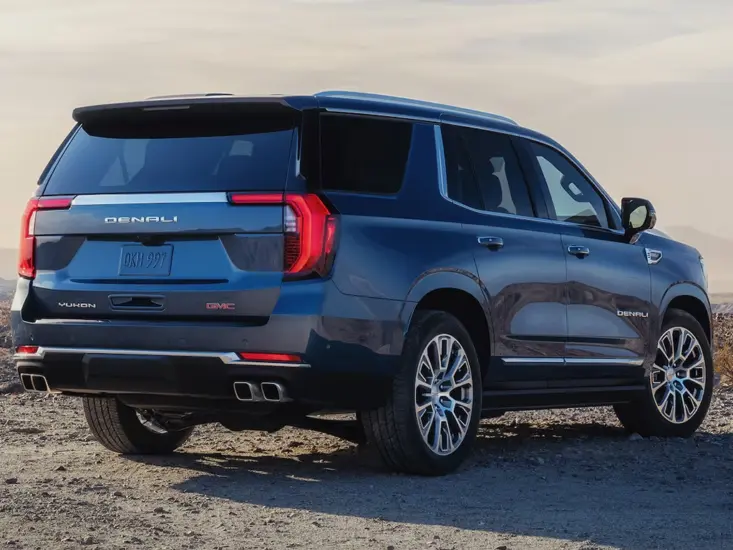
Models like the Yukon have long been GMC’s flagship in the Middle East: a full-size SUV that signals presence as much as it delivers capability. Over more than three decades, it has evolved with its people, keeping pace as families, tastes and expectations shifted, while remaining the definitive “Jims” for those who want the biggest expression of the brand.
The Sierra range, including light-duty and heavy-duty variants, remains central to GMC’s identity, offering towing capability and durability tailored for both work and lifestyle needs.
Alongside it, the Canyon strengthens GMC’s presence in the midsize pickup segment, offering a more manoeuvrable yet still highly capable alternative, particularly appealing for off-road-focused buyers.
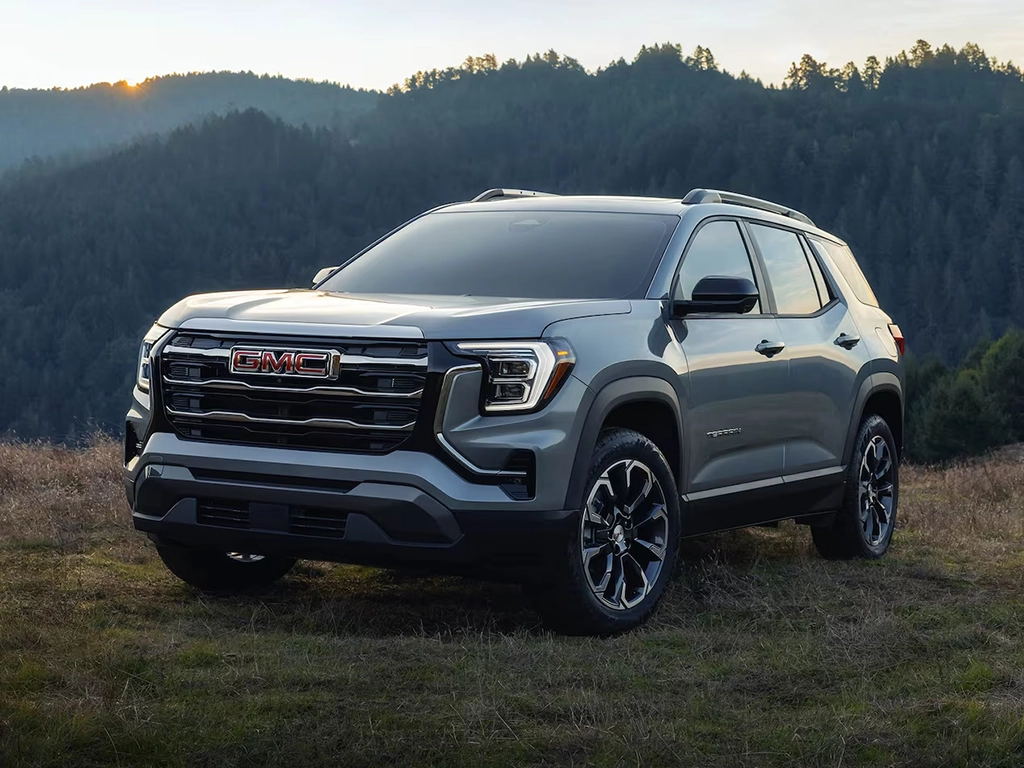
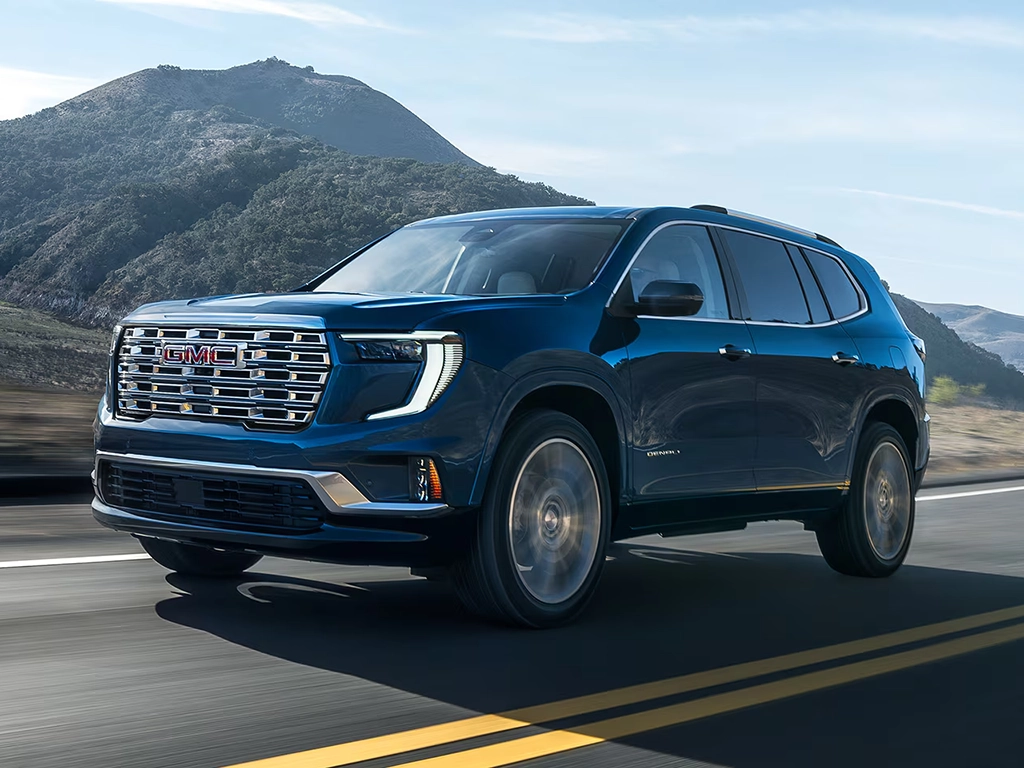
At the same time, vehicles like the Terrain and Acadia expand accessibility within the brand, while still maintaining the same focus on strength and usability.
Adding a new dimension to the lineup, the Hummer EV Pickup and Hummer EV SUV represent GMC’s shift into high-performance electric mobility. These models combine extreme off-road capability with advanced EV technology, positioning themselves as halo products that push the boundaries of what the brand stands for.
This breadth is deliberate. A lineup designed to meet the region’s diverse requirements, from urban commuting to long-distance highway driving and desert exploration.
Capability as the New Luxury
One of GMC’s key positioning shifts in recent years is the idea that capability itself is a form of luxury.
Rather than separating ruggedness and refinement, GMC combines both. This is most visible in its sub-brands – Denali, AT4, AT4X and Elevation. They each represent a different interpretation of premium capability.
Denali focuses on refinement and comfort, while AT4 and AT4X push deeper into off-road performance, engineered specifically for challenging terrain such as sand, rocks and extreme heat.
The result is a lineup where off-road hardware, towing strength and durability are paired with advanced interiors, large digital displays and connectivity features, reflecting how the buyer expectations in the region have evolved.
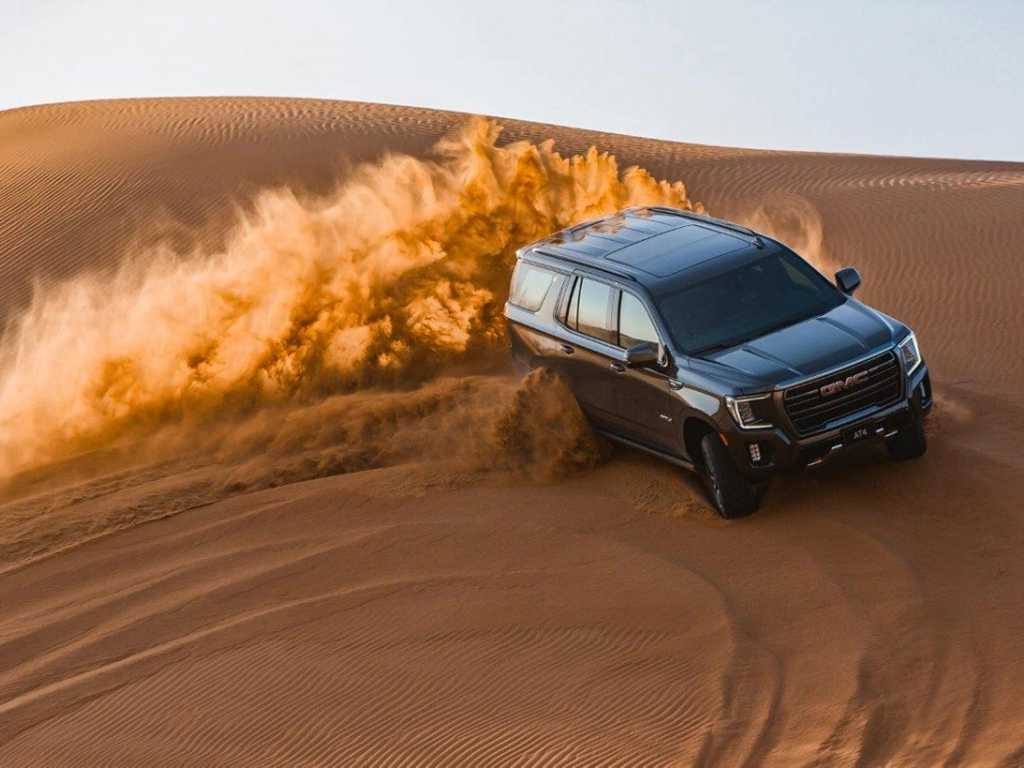
AT4 and the Desert-Ready Identity
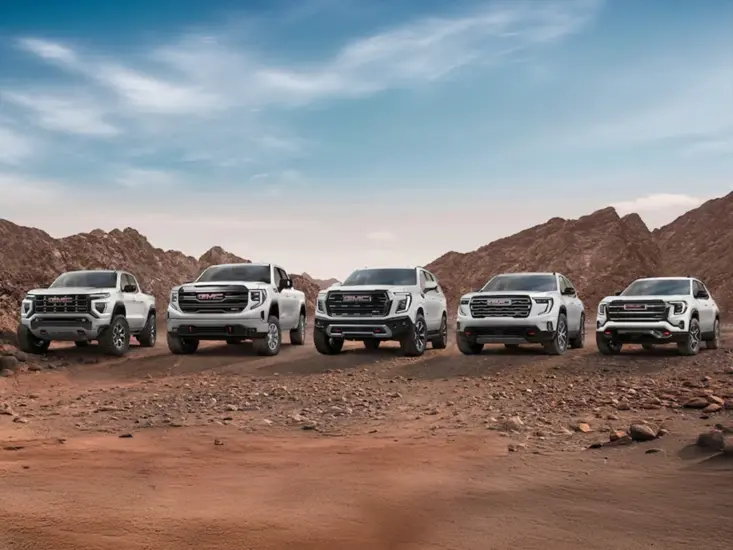
If there is one sub-brand that defines GMC’s modern identity in the Middle East, it is AT4.
Designed as the brand’s off-road-focused lineup, AT4 and its more extreme AT4X variants, represent the purest expression of GMC’s desert-ready engineering.
These models are built with real-world use in mind, from dune driving to remote terrain exploration, offering upgraded suspension systems, off-road modes and durability enhancements suited to regional conditions.
In a market where off-road capability is not optional but expected, AT4 has become a key pillar of GMC’s positioning.
Looking Ahead: From Hummer EV to Connected Mobility
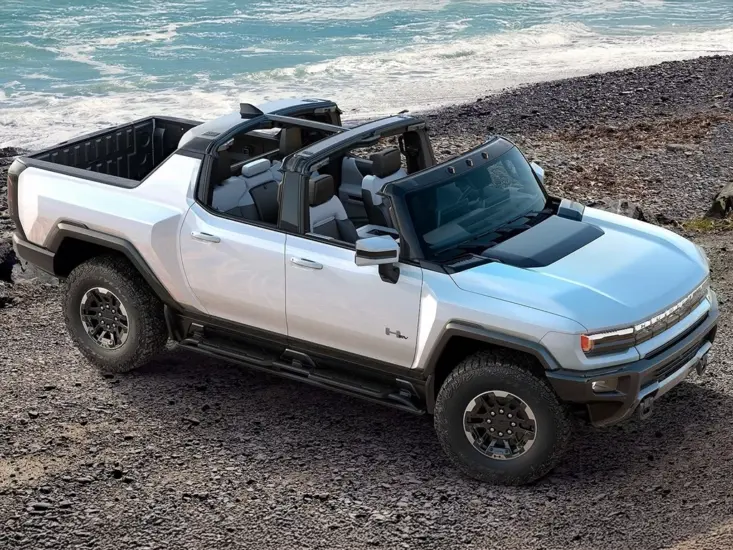
While its legacy is rooted in combustion-powered trucks and SUVs, GMC is also positioning itself for the future.
The introduction of the Hummer EV, in both SUV and SUT forms, marks a shift toward electrified capability, bringing features such as advanced off-road systems and high-performance electric drivetrains into the segment.
Beyond electrification, GMC is also advancing toward a more connected, hands-free driving future. Technologies like Super Cruise, set to debut in the region on the Yukon, bring true hands-free capability on compatible highways, while OnStar-enabled connectivity adds a deeper layer of safety, convenience and remote functionality. Together, these systems signal a shift in the ownership experience, where capability is no longer defined purely by hardware, but increasingly by intelligent, always-connected technology.

100 Years of Local Pride
GMC’s centennial message in the Middle East, “100 Years of Local Pride” reflects more than just longevity.
It represents a brand that has evolved alongside the region, adapting to its climate, terrain and customer expectations while maintaining a clear identity built around strength and reliability.
From early work trucks to today’s premium SUVs and advanced off-roaders, GMC’s journey in the Middle East is less about reinvention and more about refinement, continuously redefining what capability means for each new generation.
And if the past century is any indication, that definition will continue to evolve, but always with the same foundation: vehicles built to handle the toughest conditions the region can offer.

Comments are closed. Please send an email if you have any feedback.