
JETOUR’s “Travel+” Vision and the Rise of Hybrid Off-Roading
The global automotive industry is entering a phase where traditional metrics such as horsepower, torque and even range are no longer enough to define a vehicle. Increasingly, brands are being judged on how well they understand how their customers actually use their cars. This shift toward scenario-based mobility is reshaping product strategies, and JETOUR is one of the clearest examples of a brand leaning fully into this direction.
At the centre of its approach is the “Travel+” strategy, a concept that moves beyond conventional vehicle positioning to integrate lifestyle, technology and mobility into a single ecosystem. Rather than building cars for isolated purposes, JETOUR is developing a full product matrix that spans urban commuting, light off-road use and hardcore adventure, each supported by a shared technological foundation.
A structured product approach
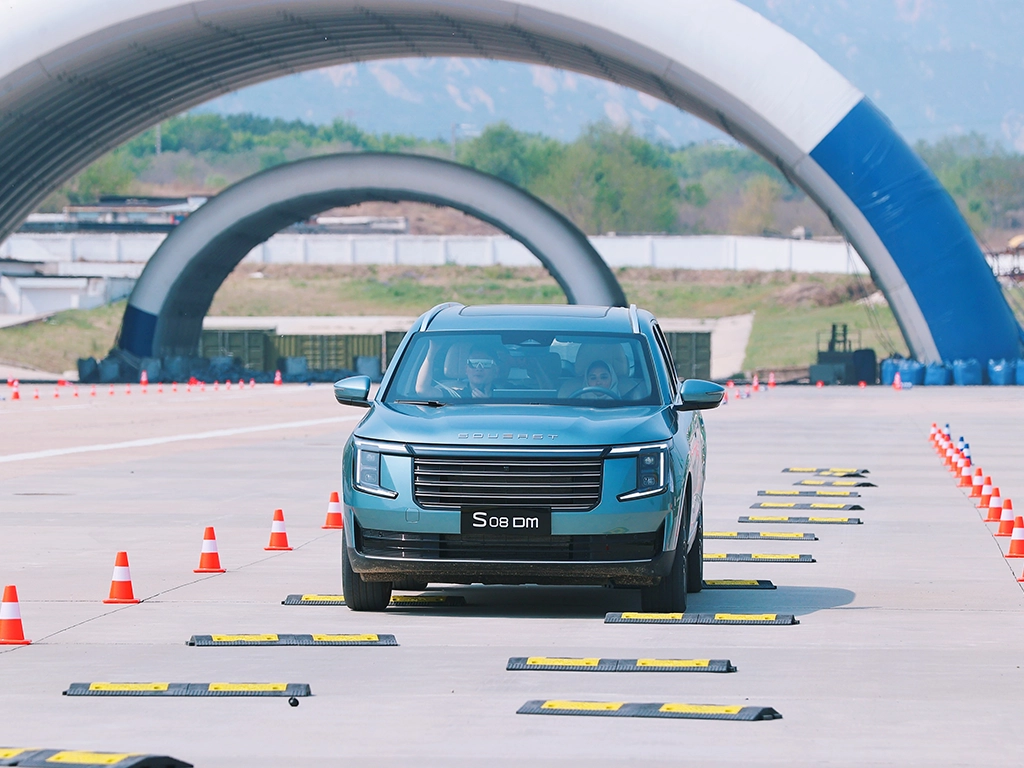
JETOUR’s lineup is now clearly divided into three pillars. The T Series caters to light off-road and everyday usability, the G Series targets premium off-road performance, and the SOUEAST brand focuses on urban mobility. Together, they form a structured portfolio designed to cover a wide spectrum of driving scenarios.
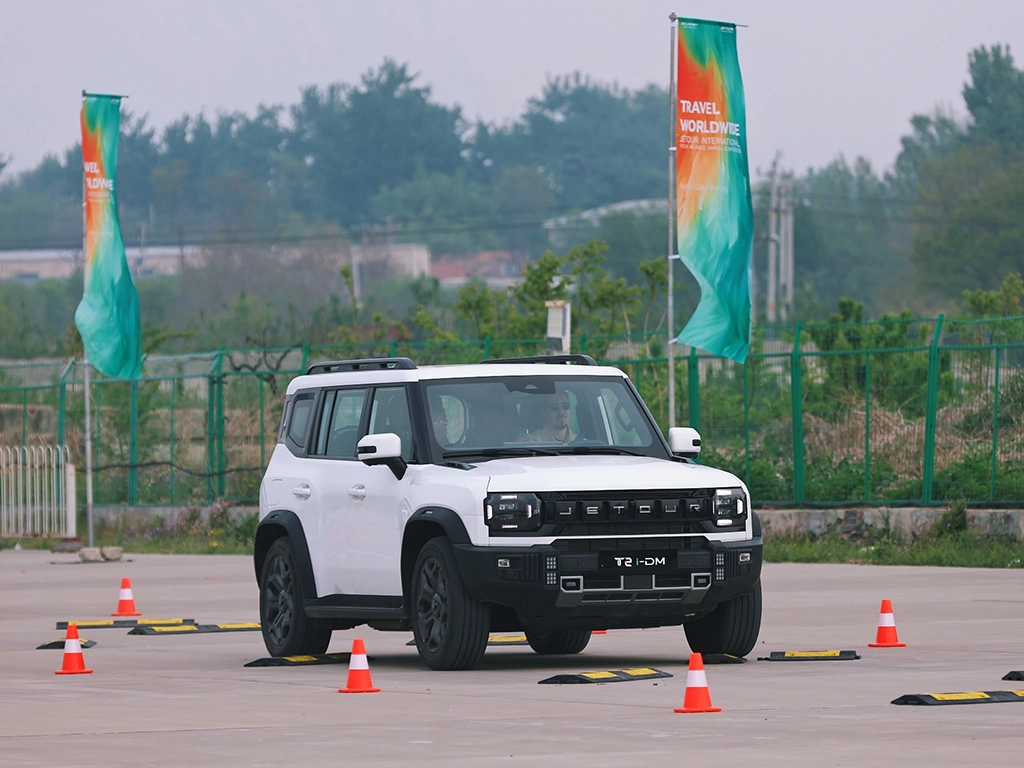
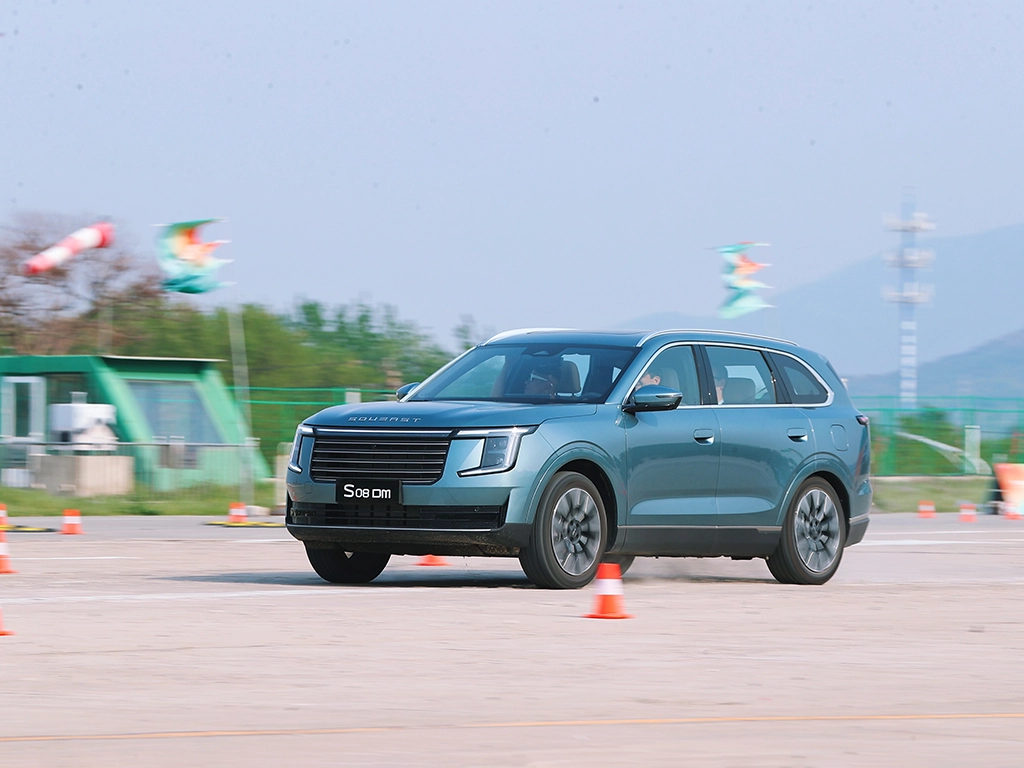
This segmentation reflects a broader industry shift. Buyers today are no longer satisfied with one-dimensional vehicles. They expect cars to adapt. A vehicle needs to be comfortable in the city, composed on long highway drives and capable when the road ends. JETOUR’s response is not to create a single compromise product, but to build a system where different models serve different needs while sharing common engineering.
Hybrid power as a practical solution
One of the biggest challenges in modern automotive engineering is reconciling electrification with real-world usability. Electric vehicles offer refinement and efficiency, but they still face limitations in charging infrastructure and long distance travel, particularly in regions where off-road driving is part of everyday life.
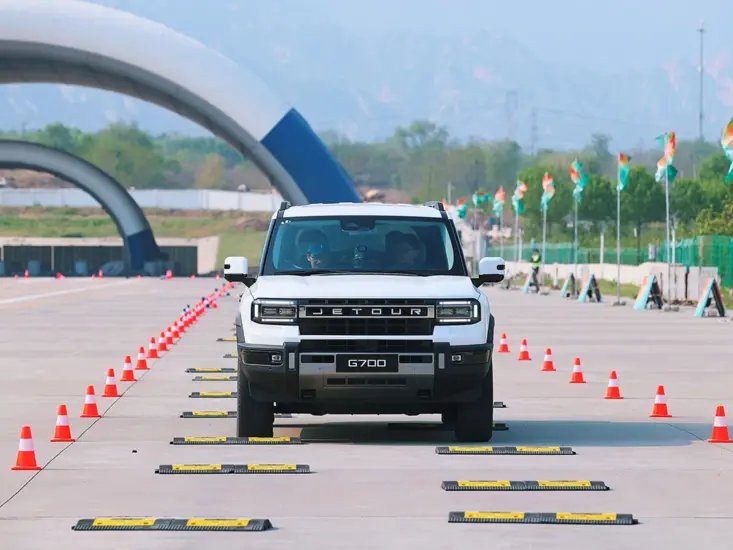
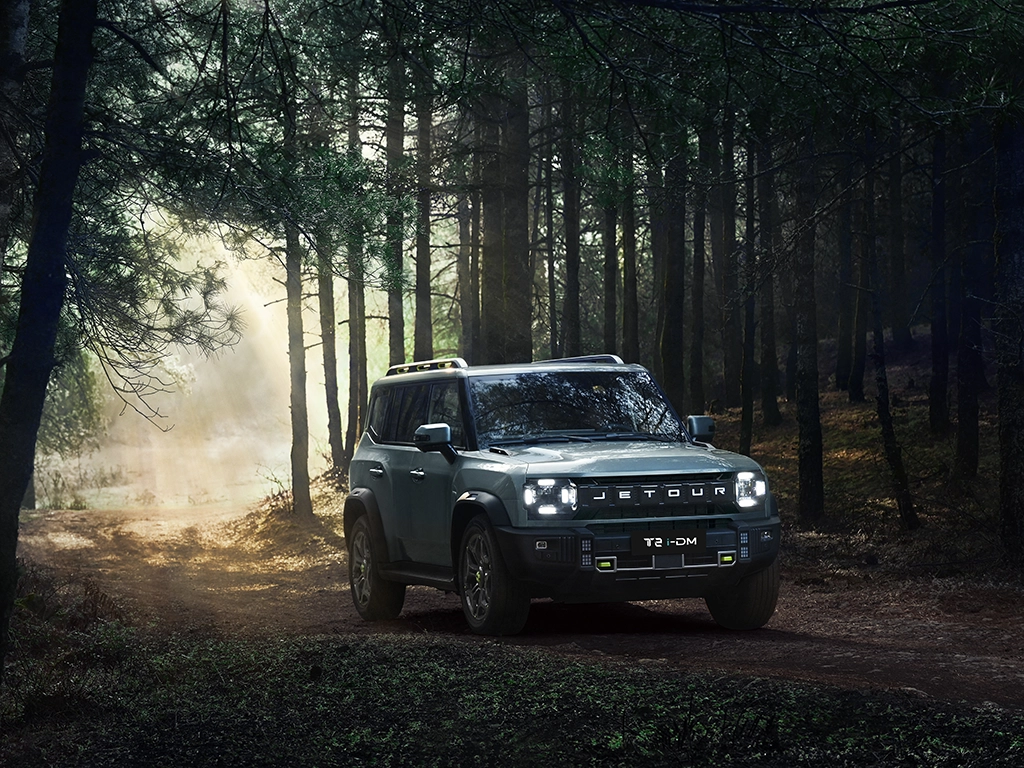
JETOUR’s answer is to prioritise hybrid systems. Its C-DM (Cross Dual-Mode) technology is designed to balance electric and combustion power depending on driving conditions. In urban environments, the system leans on electric drive for efficiency and smoothness. On longer journeys or in challenging terrain, the combustion engine provides consistent support and reliability.
This approach is especially relevant in markets like the UAE and Saudi Arabia. Drivers often combine daily commuting with long highway trips and occasional desert driving. A hybrid system offers the flexibility to handle all of these without forcing the compromises associated with pure electric or traditional combustion setups.
GAIA architecture and all-terrain capability
Underpinning JETOUR’s latest models is the GAIA architecture, a next-generation platform designed specifically for all-terrain capability. Unlike conventional platforms that are adapted for off road use, GAIA integrates the powertrain, chassis and intelligent systems from the ground up.
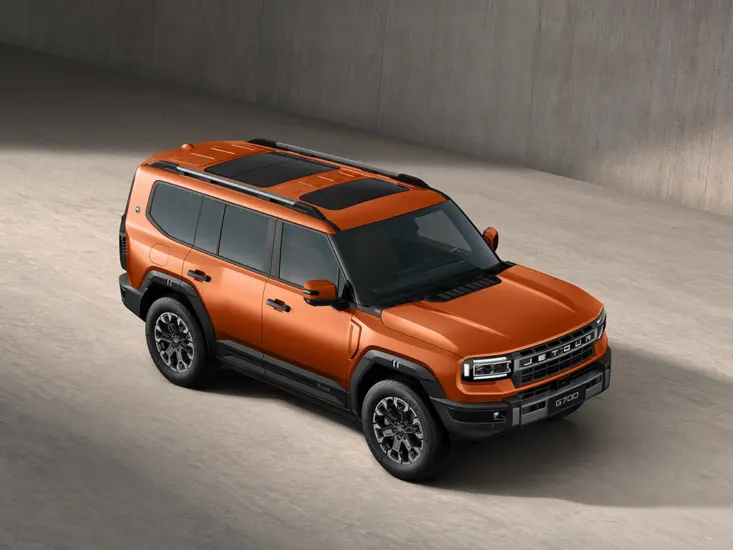
In the flagship G700, this translates into serious performance figures. The system delivers a combined output of 665 kW, which is equivalent to around 904 hp, while still maintaining relatively efficient fuel consumption for its class. Acceleration from 0 to 100 km per hour in 4.6 seconds highlights how performance and capability are no longer mutually exclusive.
More importantly, the architecture is designed to be scalable. It supports multiple models and use cases, allowing JETOUR to expand its lineup without reinventing its core technology each time.
Intelligence changing the off-road experience
One of the most notable shifts in this segment is the growing role of intelligent systems. Traditionally, off-roading required experience and confidence. Drivers needed to understand terrain, manually select drive modes and manage traction carefully. This naturally limited accessibility.
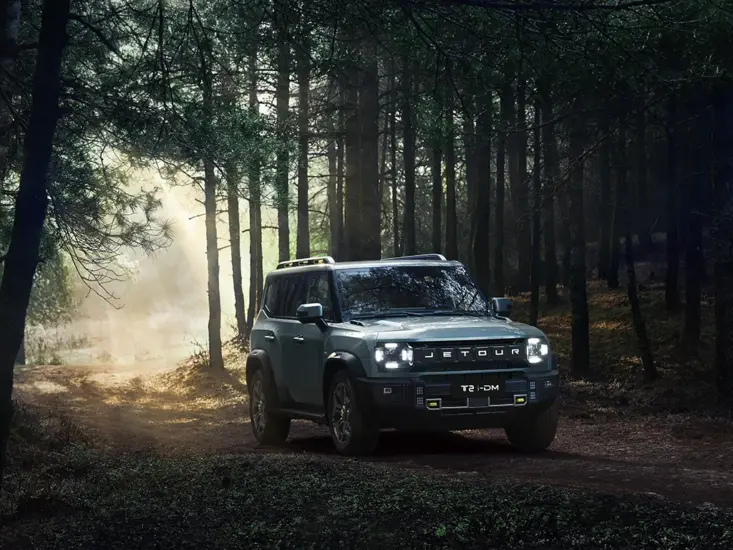
JETOUR is changing this through its XWD intelligent four-wheel-drive system. The vehicle continuously monitors wheel slip and terrain conditions, then adjusts torque distribution in real time. The inclusion of seven preset modes along with an automatic mode allows the system to adapt without requiring constant driver input.
As a result, off-roading becomes less about mastering technique and more about enjoying the experience. The technology reduces the learning curve while still delivering strong capability. This opens the segment to a wider audience, particularly those who want the lifestyle without the complexity.
The G700 as a flagship statement
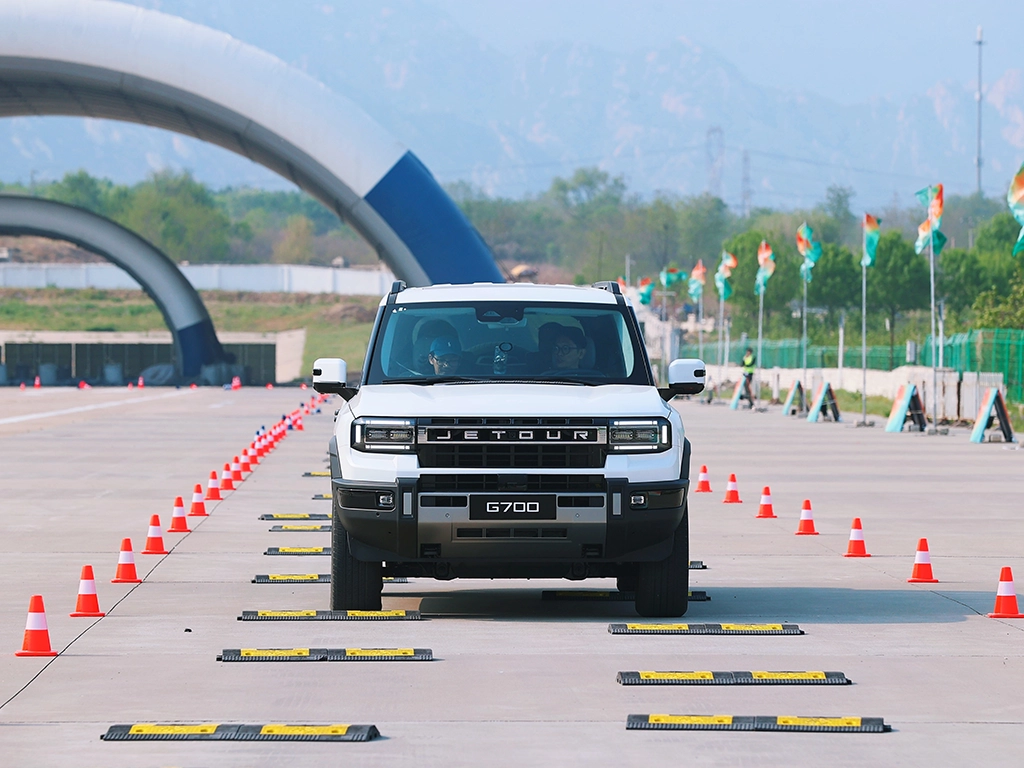
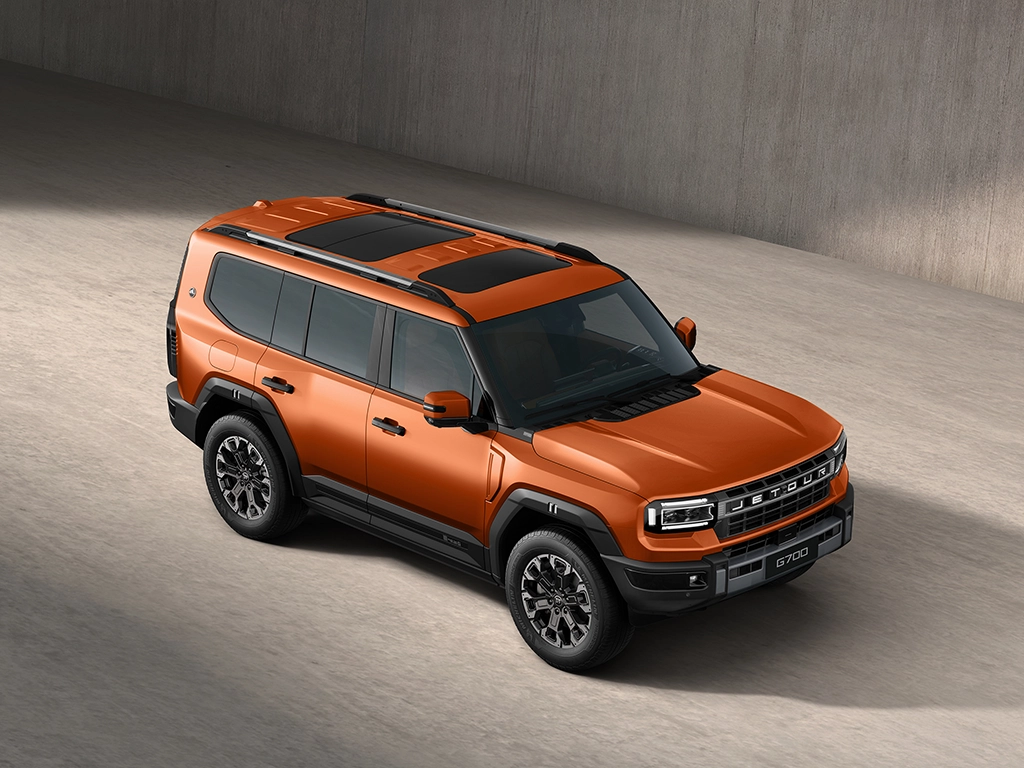
While JETOUR’s strategy spans multiple models, the G700 stands out as the clearest representation of its ambitions. Positioned as a premium all-terrain SUV, it combines hybrid performance, advanced architecture and high-end features into one package.


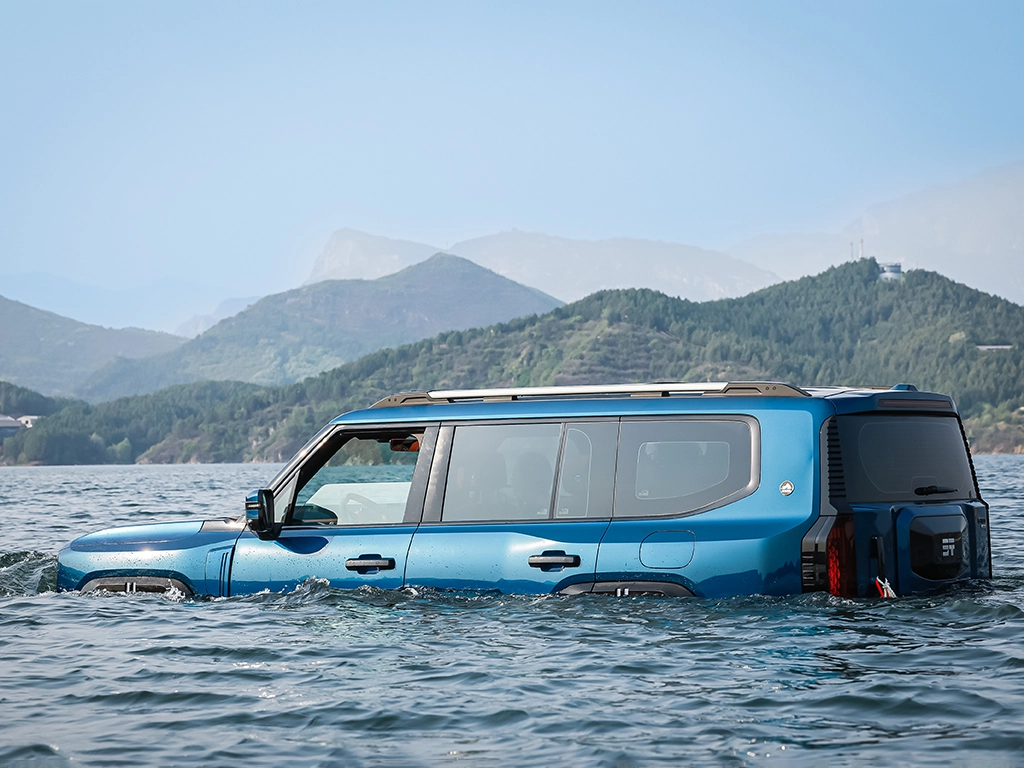
Beyond its performance figures, the G700 introduces capabilities that push the boundaries of what an off-road vehicle can do. Its Ark Edition demonstrated controlled movement on water during testing, using a dedicated system that manages buoyancy and propulsion.
This may not be a daily-use feature, but it serves as a strong demonstration of engineering capability. It shows how far the platform can be developed and highlights the level of innovation being applied.
At the same time, the G700 does not ignore comfort. The interior features a six-seat layout with premium materials such as Nappa leather, along with ventilation, heating and massage functions. Advanced infotainment and audio systems further reinforce its positioning as a luxury SUV.
JETOUR expanding beyond the vehicle
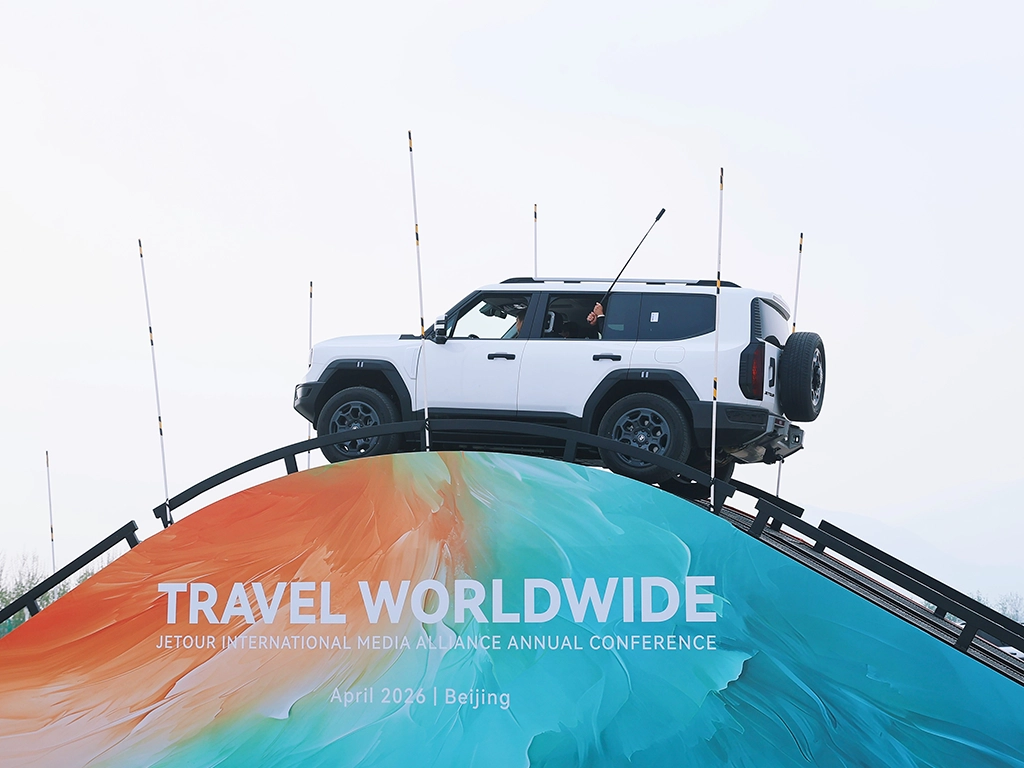
JETOUR’s approach extends beyond the vehicle itself. The “Travel+” concept includes user communities, events and cultural initiatives that connect owners with the brand. The company has established hundreds of user clubs globally and organised numerous travel and off-road activities.

This reflects a wider trend in the industry. Customers are not just buying products, they are buying into experiences. In the off-road segment, where community and shared adventures play a major role, this approach can create stronger brand loyalty.
Global growth supporting the strategy
JETOUR’s rapid expansion provides the scale needed to support this strategy. The brand has surpassed 2.26 million cumulative sales and now operates in more than 100 countries with over 2,000 sales and service outlets.

The Middle East has emerged as one of its key markets. Strong demand for SUVs, combined with growing interest in electrified powertrains, creates an environment where JETOUR’s hybrid off road approach makes sense.
A changing definition of off-road vehicles
The off-road segment itself is evolving. Capability is still important, but it is no longer the only factor. Buyers now expect vehicles to deliver technology, comfort and efficiency alongside traditional strengths. They want something that can handle desert terrain on the weekend and still feel refined during the daily commute.
JETOUR’s lineup reflects this shift. By combining hybrid systems, intelligent control and premium design, the brand is positioning itself within a new category that blends capability with everyday usability.
JETOUR ambitions
JETOUR’s strategy is ambitious, but it aligns closely with where the market is heading. By focusing on real-world scenarios rather than isolated specifications, the brand is addressing the changing expectations of modern buyers.
The G700 may be the standout model, but it is part of a broader ecosystem that connects technology, product development and lifestyle. Whether this approach reshapes the segment will depend on execution, particularly in real-world conditions.
What is clear is that the direction is changing. Off-road vehicles are no longer defined purely by toughness or mechanical ability. They are becoming more versatile, more intelligent and more aligned with how people actually live and travel.


Comments are closed. Please send an email if you have any feedback.