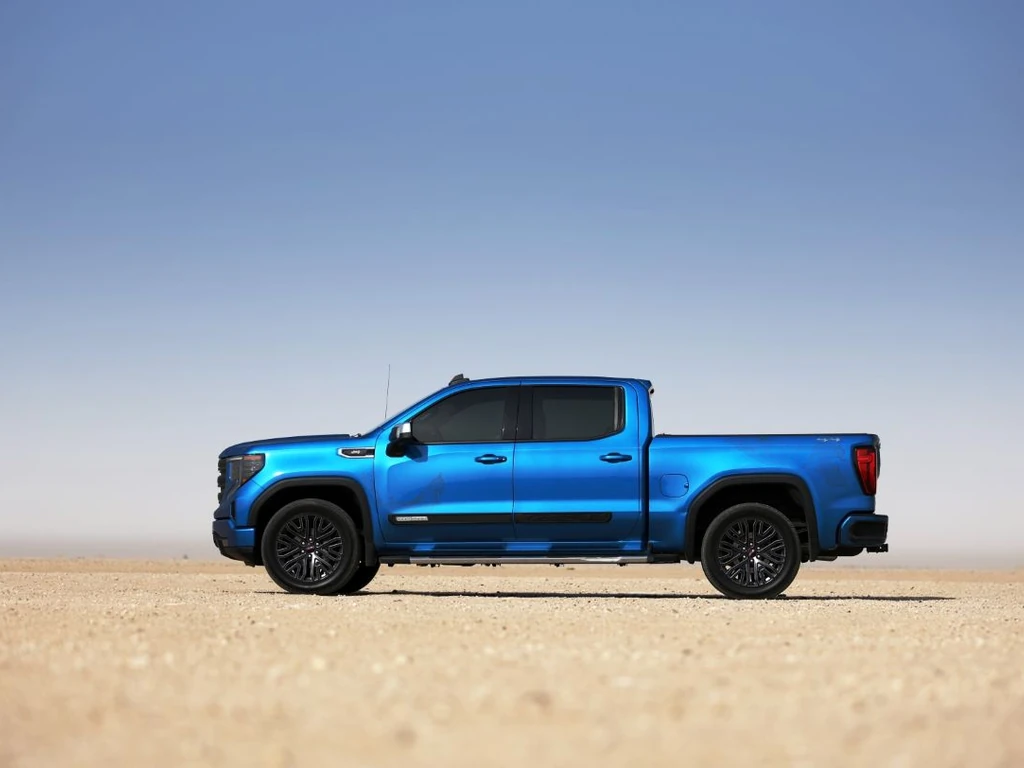
Full-size SUVs and Pickups Accounted for 44% of GM Middle East Sales Over 25 Years
Full-size SUVs and pickup trucks accounted for 44% of General Motors’ Middle East sales between 2000 and 2025, reflecting the region’s continued demand for vehicles offering space, capability, safety and a strong road presence.
The figures were released as GM marks nearly 100 years of operations in the region. Over the past quarter-century, the company says it has sold around one million full-size SUVs and pickups across the Middle East, covering models from Chevrolet, GMC and Cadillac.
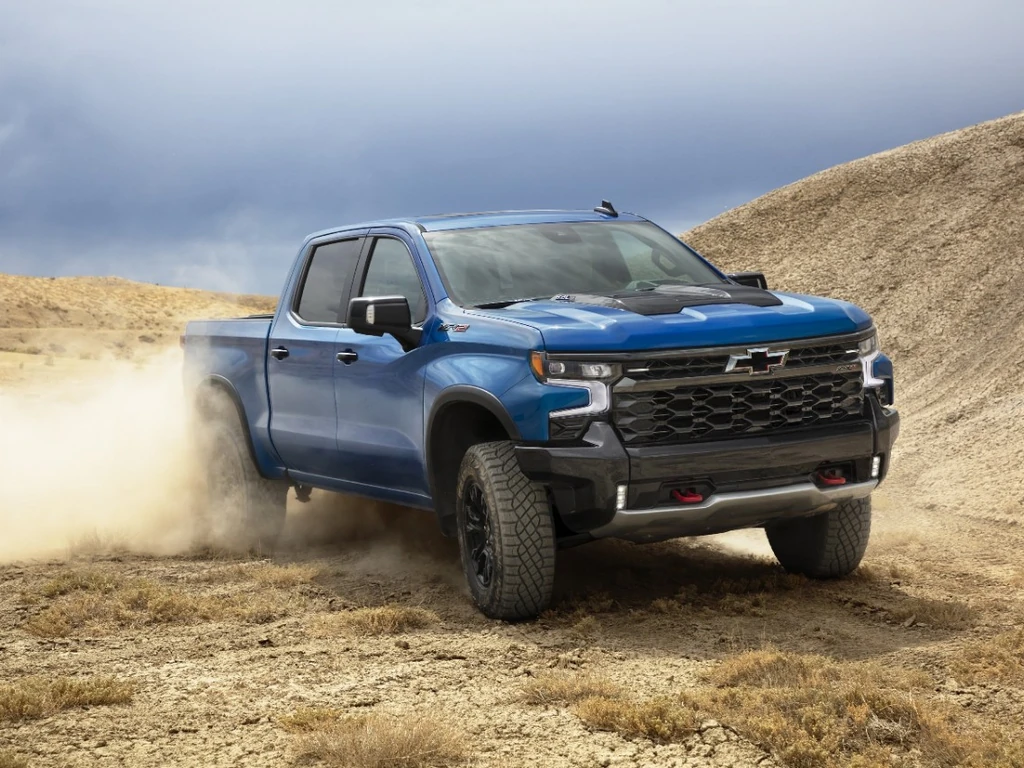
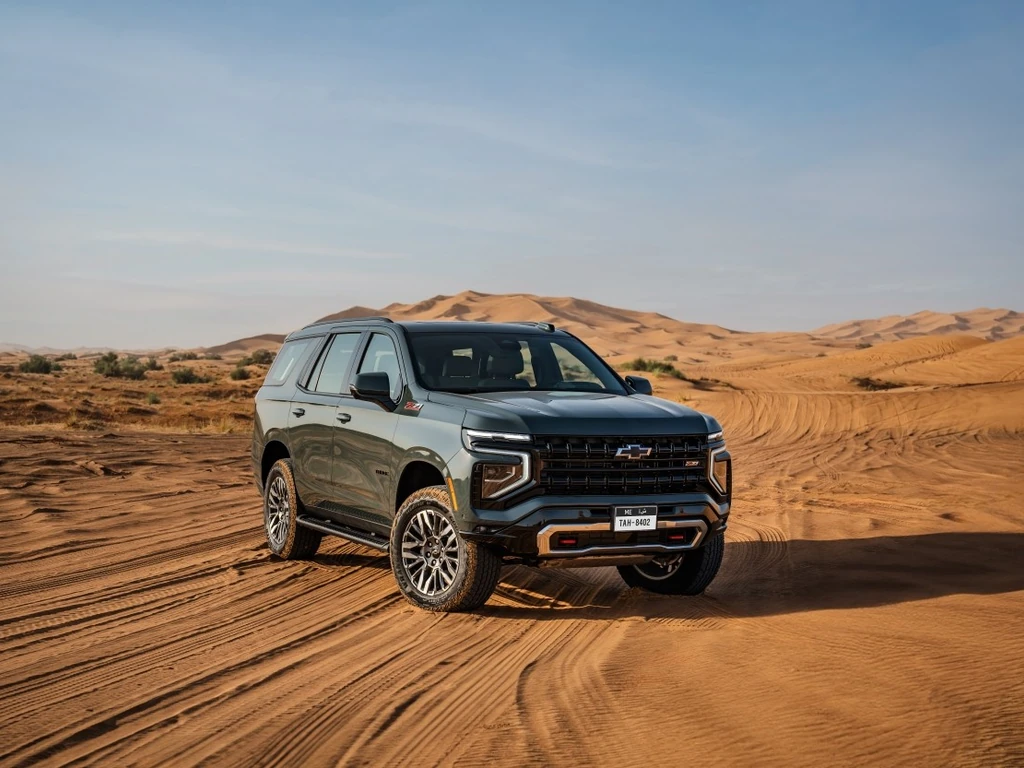
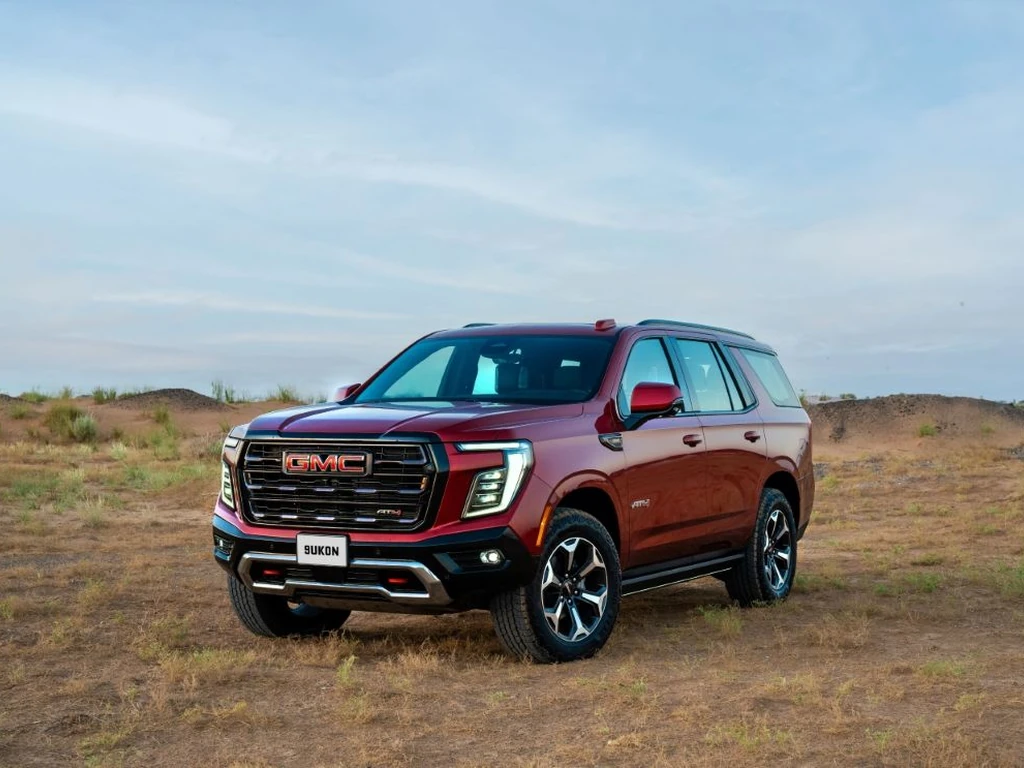
Popular nameplates contributing to that total include the Chevrolet Tahoe, Suburban and Silverado, the GMC Yukon and Sierra, and the Cadillac Escalade.
From Heavy Metal to Engineered Safety
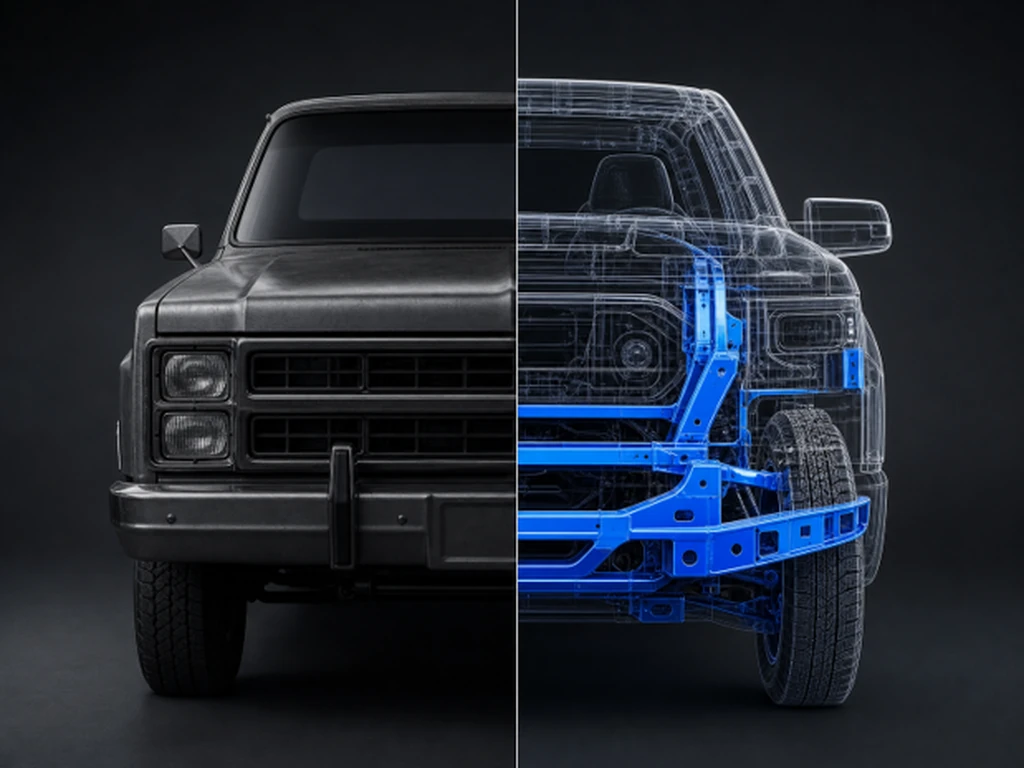
Older American SUVs and pickups are often remembered for their heavy construction, thick body panels and large proportions. While those vehicles represented strength during their time, modern safety engineering takes a different approach.
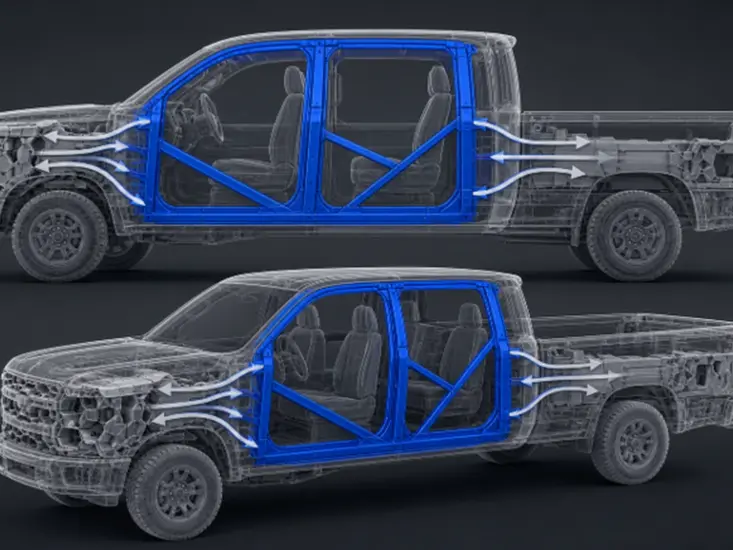
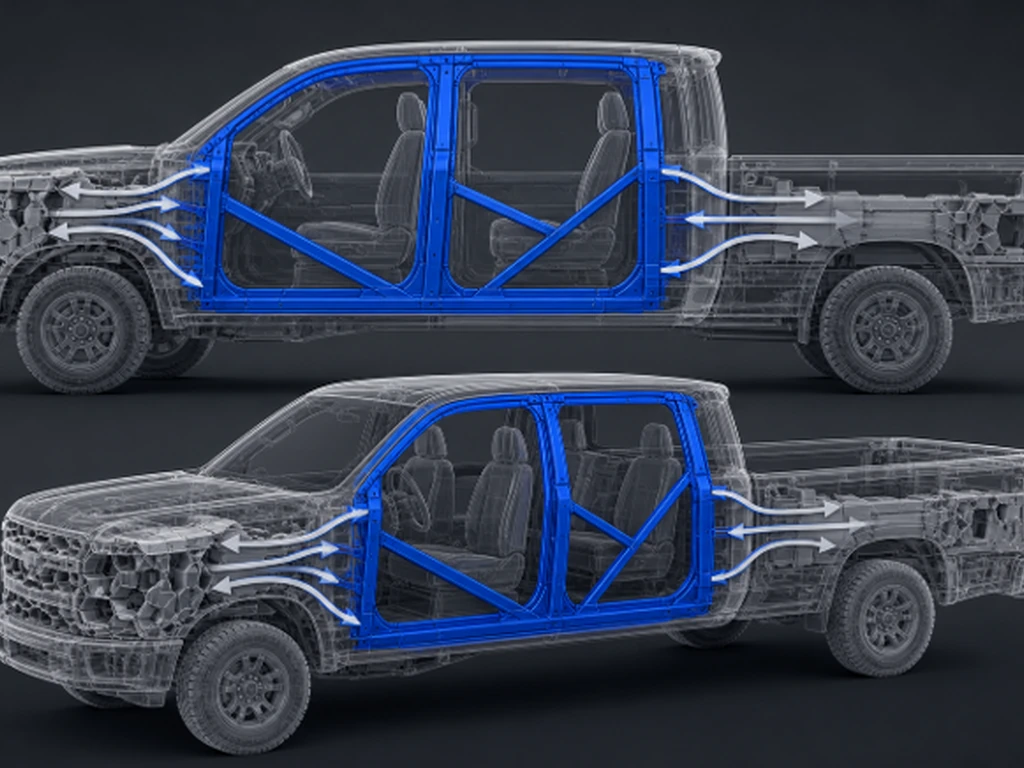
Today’s vehicles are designed to manage crash energy rather than simply resist deformation. This includes the use of lighter but stronger materials, controlled crumple zones, advanced restraint systems, sensors, software and driver-assistance features.
Jorge Plata, President and Managing Director of GM Africa and Middle East, said:
“Decades ago, just as today, drivers wanted vehicles that inspired confidence on every journey. What has changed is how we deliver that confidence. Today, strength isn’t just about heavy metal; it’s engineered through advanced safety systems, smarter structures, and technology that helps reduce the risk of crashes before they happen. That is the fundamental evolution of the modern vehicle.”
Plata added:
“Modern vehicle design now prioritizes aerodynamics to improve stability and efficiency, lighter yet stronger materials to enhance responsiveness, and carefully engineered deformation zones that absorb crash forces before they reach occupants. What may appear less rigid externally often reflects a far more complex and effective approach to safety.”
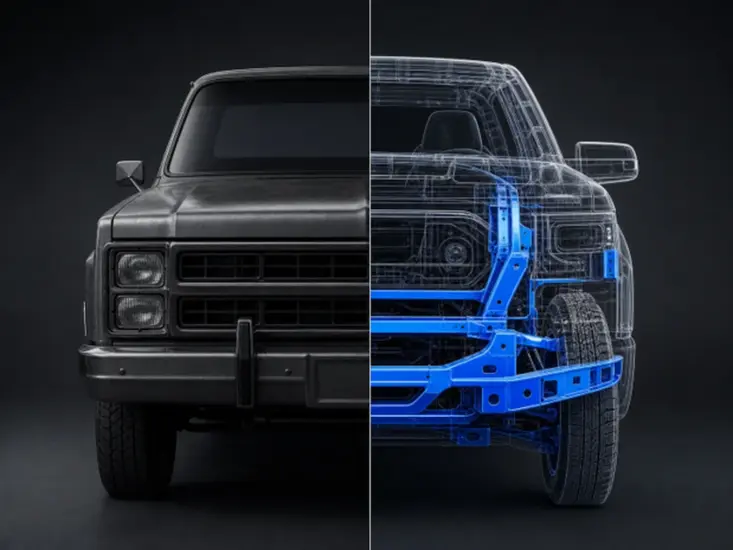
The shift means that a vehicle’s safety can no longer be judged solely by the thickness of its bodywork or how little it deforms during an impact. Instead, manufacturers evaluate how the structure, airbags, seatbelts, braking systems, sensors and onboard software work together to protect occupants.
Safety Is a Priority for Middle East Buyers
The focus on safety also reflects changing customer priorities across the region.
A 2024 YouGov survey commissioned by GM Africa and Middle East found that 89% of respondents in the UAE, Saudi Arabia and Egypt considered safety features among the most important factors when purchasing a vehicle. Safety ranked ahead of affordability and exterior appearance in the survey.
Modern GM vehicles increasingly combine passive safety engineering with active systems designed to help drivers avoid an accident in the first place.
The 2025 Chevrolet Traverse and GMC Acadia received IIHS Top Safety Pick ratings, while the 2026 Chevrolet Traverse is offered with more than 20 standard safety and driver-assistance features and has received a five-star NHTSA rating.
Connected Safety Through OnStar
GM also continues to expand its connected-services offering in the Middle East through OnStar.
The system includes features such as Automatic Crash Response, emergency assistance and voice-connected support. It is currently available in the UAE, Saudi Arabia, Kuwait and Bahrain, with GM reporting more than 42,000 regional members.
Automatic Crash Response can connect the vehicle to an OnStar advisor following a detected collision, helping occupants contact emergency services even when they may be unable to make a call themselves.
Connected technology is becoming an increasingly important part of the wider safety system, complementing traditional elements such as the vehicle structure, airbags and seatbelts.
Full-size Vehicles Remain Important in the GCC
Despite changes in technology, full-size SUVs and pickups continue to occupy a major position in the Middle East market.
Their popularity is supported by regional driving habits, including long-distance travel, larger families, towing requirements and demand for off-road capability. Buyers also increasingly expect these vehicles to offer better efficiency, more advanced cabin technology and a broader range of active safety systems.
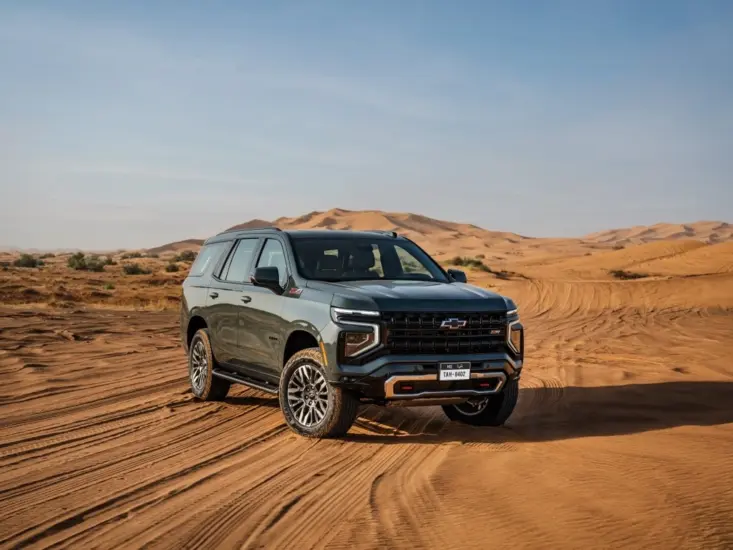
GM’s sales figures show that the underlying appeal of vehicles such as the Tahoe, Yukon, Silverado, Sierra and Escalade has remained consistent. What has changed is the engineering behind them.
Classic vehicles continue to attract enthusiasts through their styling, simplicity and cultural significance. Modern full-size SUVs and pickups, however, are being asked to combine that same sense of presence with stricter expectations for safety, connectivity, performance, efficiency and everyday usability.

There are no comments. Be the first!